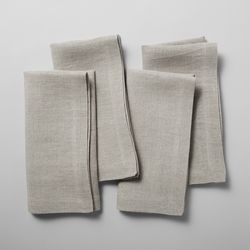
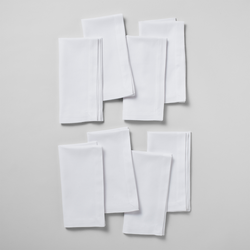
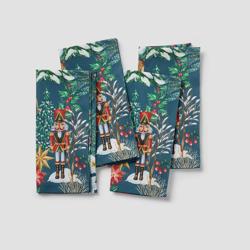
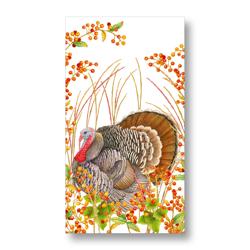
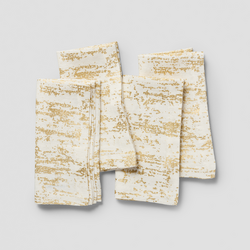
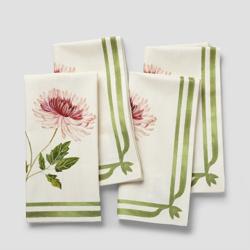
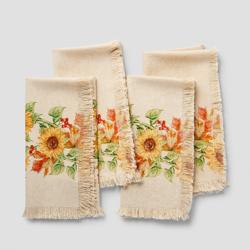
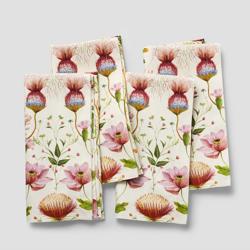
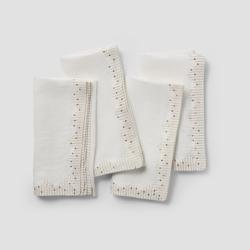
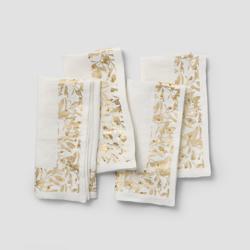
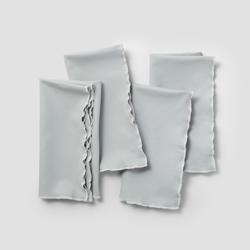
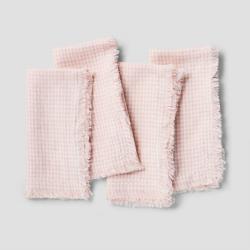
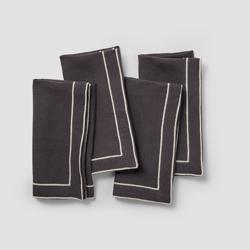
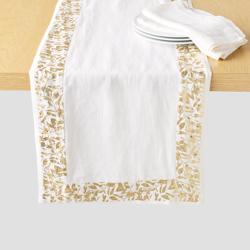
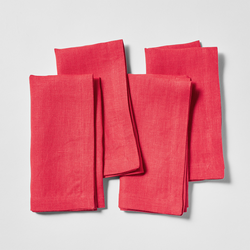
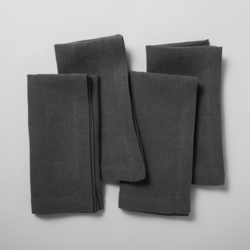
Napkins for Labor Day gatherings add comfort, color and a practical finishing touch to the table, whether the meal is a backyard barbecue, a shared picnic or a relaxed dinner with friends. A napkin needs to feel pleasant in the hand, sit comfortably on a lap and handle the occasional drip of dressing or barbecue sauce. Cloth napkins offer a reusable option that can move from a holiday gathering into everyday meals, making fabric, construction and care worth considering alongside appearance. Cotton is a familiar choice for casual dining because it is generally absorbent and can have a soft, comfortable feel. Linen brings a distinctive texture and an easy drape, with natural creases that suit a less formal setting. Blended fabrics offer different balances of softness, wrinkle resistance and ease of care, depending on their fiber content and finish. The weave matters, too: a substantial, closely woven napkin usually feels different from a lightweight, loosely woven one, even when both share the same fiber label. For meals with plenty of finger foods, prioritize absorbency and a fabric that can stand up to regular laundering. For a seated gathering, the way a napkin folds and drapes may matter just as much. Neatly finished hems, secure stitching and even corners are useful details to look for when choosing linens intended for repeated use. A raised border or embroidered detail can add interest, while a smooth surface keeps the setting simple and feels comfortable against hands and faces. Think about the people sharing the table as well. A household with young children may favor straightforward washing instructions and an informal pattern, while someone who enjoys hosting dinner parties may appreciate a more generous size and a polished finish. Neither approach needs to feel fussy. The most useful napkins are the ones that suit the food, the setting and the amount of care that fits into daily life. Starting with those practical details makes it easier to choose linens that feel right long after the holiday meal is over.
Size and proportion help napkins work comfortably with the rest of a place setting. An 18- to 22-inch square often provides enough coverage for a seated meal, while a smaller square can suit appetizers or a dessert gathering. Check the listed dimensions rather than judging size from a photograph, and allow for any shrinkage noted in the care information. A generous napkin can be folded into a simple rectangle beside a plate, laid beneath a fork or gathered loosely through a napkin ring. On a crowded table, a compact fold leaves more room for shared bowls and serving dishes. For a buffet, placing napkins beside the flatware lets guests collect what they need without balancing an extra trip. Color can be just as practical as size. White and ivory create a quiet backdrop for colorful food and patterned dishes, though pale fabrics can make certain stains more noticeable. Deeper shades and small-scale patterns may make minor marks less conspicuous between courses, but they still need prompt attention after the meal. Stripes, checks and subtle woven textures lend themselves to casual Labor Day entertaining without requiring every detail on the table to match. If the dinnerware has a busy pattern, a solid napkin gives the setting a little breathing room. If the plates are simple, a patterned napkin can supply the main accent. Coordinate napkins with
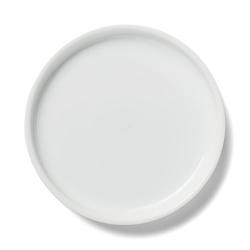
dinner plates for Labor Day by repeating one color rather than matching every shade exactly. That approach makes it easier to combine pieces already in the cupboard with a different tablecloth or runner. Before settling on a quantity, count the usual seats at the table and consider how often extra guests join. Keeping a few additional napkins on hand helps when one lands on the floor, a spill calls for a replacement or several meals happen before laundry day. A mix of complementary colors can also make a larger gathering feel intentional without requiring identical linens at every seat.
Care requirements make a real difference in how often cloth napkins get used. Read the care label before washing, especially when the fabric includes embroidery, decorative trim or a blend of fibers with different needs. Washing before the first meal, when recommended, can remove finishing residue and reveal how the fabric feels after laundering. After a gathering, shake out crumbs and address food marks promptly with a treatment appropriate for the fabric. Blotting a fresh spill is generally gentler than rubbing it into the weave. Follow the directions on any stain treatment, test it in an inconspicuous area when appropriate and avoid applying bleach unless the care label allows it. Check stained areas before putting napkins in the dryer, since heat can make some marks harder to remove. Separating light and dark colors helps reduce the risk of dye transfer, and washing with similar fabrics keeps the load suited to the napkins’ care needs. Fabric softener can reduce absorbency, so it is worth skipping when that quality is a priority. For an easy finish, remove napkins promptly after drying and smooth them by hand before folding. Linen and cotton may benefit from ironing while slightly damp if a crisp look is preferred, using the temperature recommended for the fabric. A relaxed finish is equally at home beside a platter of grilled vegetables or a bowl of potato salad. Store napkins clean and completely dry, with enough room to avoid packing in deep creases. Rotating through them helps spread wear instead of repeatedly reaching for the same few. These habits support durability without turning table linens into a special project. Napkins can also make a thoughtful gift for a host, a newly established household or someone who enjoys setting the table. Neutral colors and manageable care instructions are useful when personal preferences are uncertain. For a more personal choice, draw on the recipient’s favorite colors or the dishes they use most often. Chosen with everyday habits in mind, napkins can serve a Labor Day celebration and remain useful for weeknight suppers, birthday dinners and meals shared just because there is time to sit together.