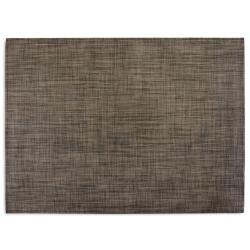
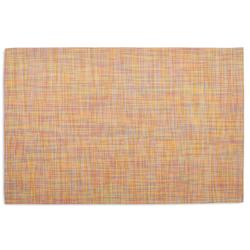
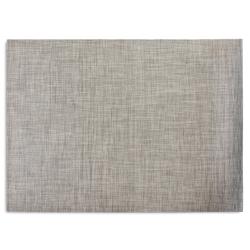
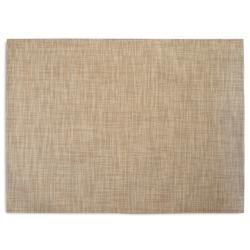
Latex-backed kitchen mats combine a textile surface with a latex underside that helps reduce sliding on compatible, clean, dry floors. They bring a softer feel and a decorative touch to hardworking spots, including the space in front of the sink, beside an island or along a frequently used counter. The backing adds grip, while the material on top determines much of the mat’s texture, absorbency and everyday care. Depending on the construction, that surface may be cotton, nylon, polyester or polypropylene. Cotton can feel soft and absorb small splashes, while synthetic fibers offer different combinations of stain resistance, resilience and ease of cleaning. A tightly woven or low-pile surface generally gives crumbs fewer places to settle than a thick, textured pile, a useful quality wherever toast is buttered, vegetables are chopped or flour is scattered across the counter. Latex backing is intended to help the mat stay in place, but it does not make every mat slip-proof, waterproof or suitable for every flooring finish. Compatibility with the floor underneath matters as much as the color on top, particularly with wood, luxury vinyl and surfaces whose manufacturers restrict rubber or latex-backed coverings. Some backings may slow the passage of minor splashes, but moisture can still collect underneath, so a kitchen mat should not be treated as a waterproof barrier. For everyday cooking, the appeal is practical: a defined place to stand, a little warmth underfoot and a surface that helps catch some of the drips and crumbs before they spread across the room. During the cooler months, a textile mat can also make a tile-floored kitchen feel more inviting without covering the whole floor. The most useful choice balances those everyday benefits with the needs of the household, whether that means frequent cleanup after family breakfast, a comfortable landing spot for a dedicated home baker or a low-profile accent in a compact apartment kitchen.
Size, shape and thickness influence how naturally a latex-backed kitchen mat fits into the room. A small rectangular mat can suit a single sink or a short section of counter, while a runner can extend along a longer preparation area where cooking involves moving between several tasks. Measuring the usable floor space helps keep the mat proportionate to the cabinetry and clear of nearby doorways. It is worth accounting for the places where appliance doors swing down or outward: a mat that looks neatly tucked beneath a dishwasher may bunch when the door opens, and a thicker edge can interfere with a low-clearance pantry door. A flat profile with securely finished edges is often a practical fit for a busy kitchen, especially when chairs, rolling carts or foot traffic pass nearby. Anyone using a walker or another mobility aid may need an unobstructed floor rather than an added floor covering, making placement and edge height particularly important. Comfort deserves a closer look, too. Latex backing provides grip; it does not, by itself, indicate substantial cushioning or anti-fatigue performance. A thin textile mat may take the chill off a hard surface, while longer sessions of kneading dough or preparing vegetables may call for a construction specifically designed to cushion standing. Appearance can be just as considered without becoming complicated. A small-scale pattern or a heathered texture can make everyday crumbs less noticeable between cleanings, while a solid color creates a quieter transition between cabinets and flooring. Warm neutrals sit comfortably beside wood tones, and deeper colors can add definition to a pale kitchen. Surface texture matters alongside color, since raised weaves and plush piles may require more attention in homes with shedding pets. For an open kitchen, repeating a color from nearby linens or upholstery can help the mat feel connected to the rest of the space. Near a kitchen entrance, coordinating
latex-backed entryway mats can create a similar look while giving tracked-in dirt a separate landing place away from the main preparation area.
Care requirements are an important part of choosing latex-backed kitchen mats, especially for spots that see coffee drips, wet hands and the occasional splash of sauce. Washability depends on the entire construction, not simply the presence of latex backing. Some mats can be machine washed according to their care labels, while others need spot cleaning or another specified method. A mat that fits comfortably in the washing machine and can be dried as directed may be convenient for a household that cooks often, but a large runner or heavy construction can require a different cleaning routine. Heat, harsh cleaners and repeated bending can affect certain backings, so following the recommended wash cycle, cleaning solution and drying method helps preserve both the face fibers and the underside. Between deeper cleanings, regular removal of crumbs and grit keeps debris from accumulating in the pile or working its way beneath the mat. Vacuuming should follow the manufacturer’s guidance, particularly around bound edges that could catch in a rotating brush. Spills deserve attention on both sides: blot the surface promptly, lift the mat when moisture may have reached underneath and allow the floor and backing to dry completely before replacing it. That simple habit matters beside sinks and exterior doors, where dampness can linger out of sight. Durability also depends on traffic, placement and how well the mat’s construction matches its job. A mat used at a quiet coffee station faces different wear from one positioned between the refrigerator and sink in a busy family kitchen. Periodic checks for curling corners, loose edging, cracks, flaking or a backing that no longer grips can help identify when a mat needs replacing. For households managing a latex allergy, confirm the backing’s composition before choosing a latex-containing floor covering. As a housewarming gift or a thoughtful addition for someone who enjoys cooking, a kitchen mat works best when its size, floor compatibility and care needs are known. With those details considered, it can become a useful part of the daily routine, from the first cup of coffee to the last dishes drying beside the sink.