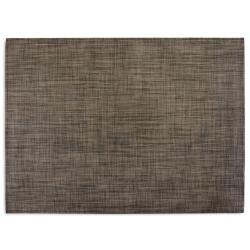
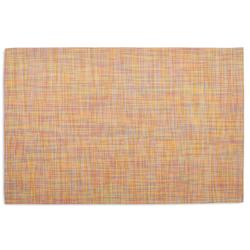
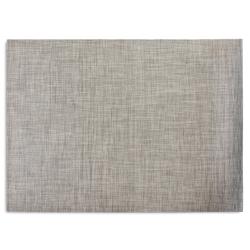
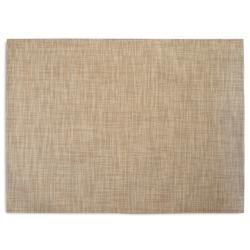
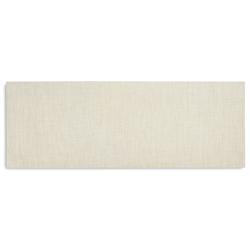
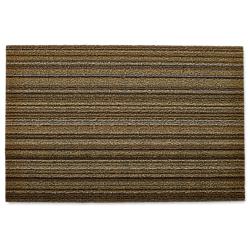
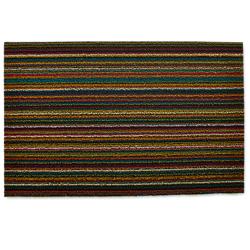
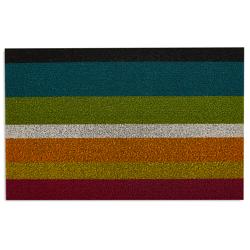
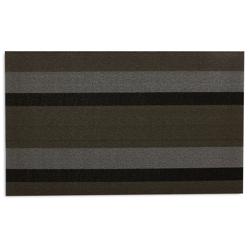
Latex-backed entryway mats pair a dirt-catching surface with a backing designed to help reduce shifting on compatible floors. Placed just inside a doorway, they give shoes a designated spot to shed grit before it travels into the rest of the home. The surface material does the work of scraping or absorbing, while the latex backing adds grip beneath it; performance depends on the mat’s construction, the floor finish and keeping both surfaces clean. That combination makes these mats useful in busy front entries, apartment foyers and side entrances that lead straight into the kitchen. A textured mat can help catch the fine debris that otherwise turns up under a dining chair or along a hallway, making it a practical part of everyday floor care. Surface materials offer different benefits. Coir, made from coconut husk fibers, has a coarse texture suited to brushing dirt from shoe soles, though some shedding is normal and the surface is not as soft under bare feet. Synthetic fibers such as polypropylene or polyester can provide a lower, more flexible pile, with texture and absorbency varying by construction. Cotton surfaces can feel softer and absorb moisture, but they need appropriate washing and thorough drying. A tightly woven face tends to look tailored, while a looped or ribbed texture gives an entry a more substantial, hardworking feel. Color matters beyond decoration: a mixed-tone pattern can make small bits of lint and everyday debris less noticeable between cleanings, while a solid color creates a simpler visual transition from the doorway to the room beyond. Neutral shades work easily with wood furniture and stone-look tile, and a patterned surface can bring definition to an otherwise plain landing. The most useful choice balances that appearance with the way the entrance is actually used, whether it handles a few daily trips or a steady stream of family, guests and pets.
Fit is especially important for a latex-backed door mat because an entryway needs to remain easy to move through. Measure the usable floor area, then check the door’s full swing rather than judging clearance only when it is closed. The total thickness, including the backing and any raised border, should allow the door to open freely without dragging the mat into a fold. A low-profile construction is often practical near tight thresholds, but low profile does not automatically mean enough clearance for every door. Width should give someone room to place both feet on the surface without crowding nearby furniture, a closet opening or the path into the house. In a narrow foyer, a rectangular shape can define a compact landing; a longer format may suit an entrance that continues into a hall, provided it lies flat and leaves comfortable passage. Think through familiar routines: setting down grocery bags, stepping aside to let a guest enter or reaching a bench to take off shoes. The mat should support those movements rather than become another obstacle. Floor compatibility deserves equal attention. Latex backing is not suitable for every finish, and some flooring manufacturers advise against rubber or latex-backed coverings because of possible staining or discoloration. Check both the mat’s care information and the flooring manufacturer’s recommendations, particularly for vinyl, laminate and finished wood. A gripping backing should not be treated as a guarantee against slipping or as a waterproof barrier. Dirt beneath the mat, moisture on the floor and curled edges can all affect how securely it rests. For entrances beside food-preparation areas,
Latex Backed Kitchen Mats offer a related category to consider for coordinating nearby spaces. Keep each placement’s purpose in mind, since a mat intended to catch debris at the door may differ in cushioning, surface texture and care requirements from one used in front of a sink.
Regular care helps a latex-backed entryway mat keep its shape, appearance and useful grip. Loose grit works its way into fibers and can collect underneath, so cleaning should include both the surface of the mat and the floor beneath it. Shaking out debris, sweeping or vacuuming may be appropriate, depending on the material and the manufacturer’s instructions; coarse fibers and looped surfaces can require gentler treatment than a standard carpet. If vacuuming is permitted, use a setting that will not pull at the face or catch the bound edges. Spot-cleaning can address a small mark without soaking the entire mat, but the recommended cleaner and method will vary. A latex backing does not make a mat machine washable, and instructions for one construction should not be assumed to apply to another. Washing machines, tumble dryers, bleach and prolonged soaking may damage materials that are not designed for them. When washing is allowed, follow the specified method and let the mat and underlying floor dry completely before putting it back in place. Trapped moisture can affect the floor, while excessive heat can shorten the life of some backings. Periodically lift the mat to check for debris, discoloration or changes in the latex, including cracking, flaking or a sticky feel. Edges that no longer lie flat are another reason to reassess its condition. Durability comes from matching the construction to its intended setting as much as from choosing a sturdy-looking surface: an indoor mat should stay indoors unless its labeling explicitly permits another use. For a household with frequent visitors, an easy-to-clean face and well-finished edges may matter most; for a small apartment, door clearance and a compact footprint may take priority. An entryway mat can also be a thoughtful housewarming gift when the recipient’s doorway measurements, flooring requirements and decorating preferences are known. Chosen with those everyday details in mind, it brings a welcoming finishing touch to the entrance while helping keep tracked-in debris closer to the door.