Pie-making class gifts give someone time to learn a satisfying craft, practice baking skills and enjoy the experience of making something from scratch. Unlike a finished pie, a class focuses on the knowledge behind it: how dough should feel, what makes a filling set and why a few small choices can change the texture of a crust. It is a thoughtful experience for a friend who loves baking, a parent known for homemade desserts or a beginner who has always wanted to bring a pie to the table with confidence. Someone who makes cookies and cakes regularly may welcome a chance to work with pastry, while a more experienced baker might enjoy refining a crimped edge or understanding why a familiar crust sometimes turns out tough. There is room for both curiosity and experience in the appeal of a pie-making class. The gift recognizes an interest without requiring the recipient to have mastered it already. It can also make a meaningful shared outing for partners, siblings or friends who would rather spend time learning together than exchange another wrapped present. Rolling dough, comparing the feel of pastry and watching a carefully shaped crust take form give the experience a natural focus, without the pressure of hosting a meal. For someone who associates pie with a grandparent’s kitchen or a favorite family celebration, learning the techniques can create a connection between a familiar memory and a skill they can make their own. A class does not have to recreate a family recipe to feel personal; sometimes understanding how to handle dough is enough to make that handwritten recipe seem more approachable. The lasting value is practical as well as personal: a better feel for dough, a clearer understanding of the baking process and more confidence when the next occasion calls for a homemade dessert.
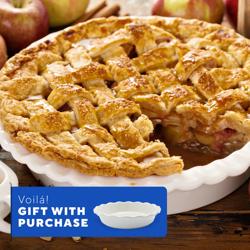
Much of pie baking comes down to details that are easier to understand when someone demonstrates them. Depending on the class menu, instruction may explore flaky pastry, crumbly doughs, fruit fillings, custards or decorative finishes, with each style introducing a different set of skills. A dough-focused lesson can help explain how pieces of butter contribute to flaky layers, why too much handling can make pastry tough and how resting gives dough time to relax before rolling. These are useful distinctions for the baker who follows a recipe carefully but still finds that the dough cracks at the edges or pulls back in the dish. Seeing the right texture and learning how to recognize it can make written directions much clearer later. Rolling pastry to an even thickness, transferring it without stretching and shaping an edge that holds its form are equally valuable parts of the process. A lattice top adds another dimension, turning strips of dough into a woven finish that is both decorative and functional, leaving openings for steam to escape. Fillings bring their own lessons. Fruit releases moisture as it bakes, and the balance of fruit, sugar, acid and thickener affects both flavor and the way a slice holds together. An apple pie can illustrate how fruit preparation influences texture, while a custard pie calls attention to gentle baking and the signs of a properly set center. Blind baking, when a crust is baked before the filling is added, is another technique that can help explain the difference between a crisp base and an underbaked one. A good learning experience connects those details rather than treating them as isolated tricks. Browning, doneness and cooling all matter, including the patience to let a filling settle before cutting. For a recipient who has struggled with a soggy bottom crust or a filling that runs across the plate, that understanding can be more useful than another recipe alone. For a confident baker, closer attention to the same fundamentals can bring greater consistency and room for creativity.
The strongest reason to give a pie-making class is often something specific about the person receiving it. A friend who always volunteers to bring dessert may enjoy exploring a different technique. A recent graduate settling into a first kitchen may appreciate a skill that makes sharing a meal feel more personal. A couple celebrating an anniversary can mark the occasion with an activity built around a shared interest, while a birthday gift can give an enthusiastic home baker time to focus on something they genuinely enjoy. Pie also lends itself to connections across generations: an adult child and parent can share an interest in familiar flavors while approaching the learning experience together. The appeal is not limited to people who bake frequently. Someone who enjoys working with their hands, appreciates careful craftsmanship or likes understanding how food is made may find pastry especially engaging. For teachers and school staff who enjoy cooking, a class can be a thoughtful thank-you that recognizes an interest beyond the classroom.
Cooking Class Gifts for Teachers brings that same experience-centered approach to recognizing educators, with the emphasis on time spent learning and enjoying a personal interest. A pie-making class gift is distinct from giving a baked pie: one offers a dessert to enjoy, while the other centers on the experience of learning how to make it. Both can feel personal, but the class gives a curious baker room to develop confidence and discover which parts of the process they enjoy most. That might be the precision of weaving a lattice, the feel of dough becoming smooth enough to roll or the satisfaction of understanding when a filling is ready. Those small discoveries are what make the experience memorable—and what can make a future pie feel less like a baking challenge and more like something worth sharing.