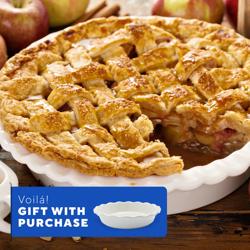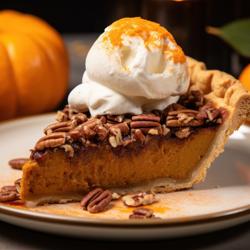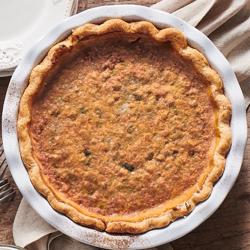
Make-ahead holiday pie classes focus on preparing pie dough, fillings, and finished desserts in advance, with attention to what can be refrigerated, frozen, or baked ahead without sacrificing flavor or texture. They connect the craft of pie baking with the practical demands of holiday entertaining: a crowded oven, a full refrigerator, and guests arriving before every dish is ready. For a first-time baker, the experience can make the difference between following a recipe by guesswork and understanding how pastry should look and feel. For someone who already bakes, it offers a chance to refine familiar techniques and build a more dependable plan for Thanksgiving, Christmas, or another holiday gathering. Depending on the class menu, instruction may explore flaky butter crusts, fruit fillings, smooth custards, decorative edges, or lattice tops. The useful details often lie in the small decisions: how thoroughly to work butter into flour, how to recognize dough that needs a little more moisture, and why resting pastry can make rolling easier. A well-taught class helps connect those decisions to the finished pie, from a tender bottom crust to slices that hold their shape. Rolling and shaping practice can also take some of the pressure out of presentation. An even round of dough and a neatly sealed edge matter more than elaborate decoration, especially when the goal is a dessert that travels well and serves cleanly. Seasonal flavors give these classes a natural place in holiday planning, whether a menu leans toward warmly spiced fruit, rich nuts, or a creamy pumpkin filling. The emphasis is not simply on finishing a pie during class. It is on understanding the stages of preparation well enough to repeat them in a home kitchen, where counter space, oven schedules, and family traditions may look very different. That combination of technique and planning makes the experience relevant to both a single dessert assignment and a larger holiday baking routine.
The make-ahead portion of a holiday pie class is especially valuable because different pies need different schedules. Chilling dough before rolling is not the same as storing a fully assembled pie, and a baked fruit pie has different needs from a pie with a dairy-rich filling. Classes centered on advance preparation can help explain those distinctions rather than treating every dessert as something that can simply go into the freezer. Relevant lessons may include wrapping dough to protect it from drying out, deciding when to prepare a filling separately, and recognizing which finishing touches are best left until closer to serving. For a holiday host, those choices can turn one long baking session into several manageable tasks. Dough might be prepared ahead of a busy cooking day, while shaping, filling, and baking are scheduled around the rest of the meal. Instruction can also address why temperature matters at each stage. Cool pastry is generally easier to handle than dough with softened butter, while a hot cooked filling can soften an unbaked shell before it reaches the oven. Cooling after baking deserves just as much attention: many pies need time for their fillings to settle before slicing, so a dessert pulled from the oven immediately before dinner may not be ready when expected. Food safety belongs in that conversation, particularly for fillings made with eggs or dairy that require refrigeration. Storage, thawing, and serving guidance should match the recipe rather than rely on a single rule for every pie. These are the details that make advance preparation useful instead of merely convenient. They also matter when dessert needs to leave the house. A pie destined for a family gathering or holiday potluck has to withstand the trip, fit into the host’s meal schedule, and reach the table in good condition. Learning how preparation choices affect that final stretch helps bakers plan beyond the moment the oven timer rings, with a clearer sense of what needs attention before baking, after cooling, and at serving time.
Make-ahead holiday pie classes suit a wide range of home cooks, including beginners taking responsibility for dessert for the first time, regular bakers looking to troubleshoot a stubborn crust, and experienced hosts hoping to spread the work across several days. They can also be a shared experience for friends, couples, or family members who enjoy cooking together. Pie offers plenty to notice and discuss at the counter: the feel of properly hydrated dough, the difference between a rough edge and an edge that is starting to crack, or the way a filling thickens as it cooks. In a hands-on setting, those observations become part of the learning rather than details that are easy to miss on a printed recipe. Instructor feedback can help a baker understand why dough tears during rolling or why a crust shrinks, replacing a frustrating mystery with a technique to practice. The most useful class choice will reflect both the baker’s comfort level and the kind of holiday dessert they want to make. A menu focused on fruit pies may offer more practice with top crusts and venting, while one featuring custard-style pies may place greater emphasis on preparing the shell and judging when a filling is set. Class descriptions can clarify the techniques covered, the level of participation, and whether advance storage is a central part of the lesson. For someone giving an experience rather than another kitchen possession, a pie class can be a thoughtful fit for a curious cook or a friend who enjoys hosting. Its value extends beyond a single holiday meal: understanding dough, timing, and storage supports future baking projects, too. For the holiday table itself, the reward is practical and personal—a familiar dessert made with greater confidence, a preparation schedule with fewer last-minute demands, and more attention available for the people gathered around it. A carefully crimped crust or a clean first slice is satisfying, but knowing how to get there again is what makes the lesson last.