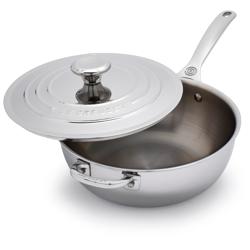
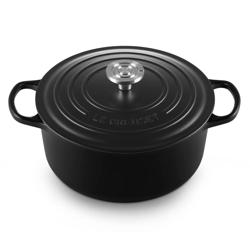
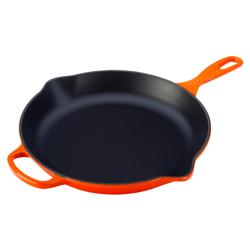
A well-made pan can become the piece of cookware you reach for without thinking. Whether you are searing chicken for a weeknight dinner, softening onions for a soup or warming a fruit crumble for the table, a durable pan helps turn everyday cooking into a smoother, more enjoyable ritual. Enameled cast iron pans are especially valued for their ability to hold and distribute heat, making them useful for recipes that begin on the stovetop and finish in the oven. The substantial construction encourages steady cooking rather than quick temperature swings, while the smooth enamel interior provides a versatile surface for browning, braising, simmering and baking. A pan with gently sloped sides is handy for sautéing and turning ingredients, while deeper sides give you room for sauces, grains and one-pan meals. Consider the pan’s diameter and capacity in relation to the way you cook: a smaller size suits breakfast eggs, roasted vegetables and sauces for two, while a larger pan is better for family-sized portions, layered casseroles and meals meant to leave leftovers. Handles matter, too. A long handle can make it easier to maneuver the pan on the stovetop, while a helper handle offers extra control when moving a full pan from the range to the oven. Look for a comfortable grip and a balanced feel, especially if you often cook with hearty ingredients. Weight is part of the appeal of cast iron, but it is worth choosing a size you can lift confidently with one hand or steady with two. When the pan feels secure in your hands, cooking feels more natural—from folding greens into a bubbling sauce to carrying a golden dish straight to the table.
The right pan earns its place by adapting to the meals you already love. Use it to build a deeply browned base for a pan sauce, then deglaze with stock or wine and scrape up the flavorful bits left behind. Cook a skillet of cornbread with crisp edges and a tender center, roast small potatoes until their surfaces turn deeply golden or simmer beans slowly until the broth becomes rich and savory. During the warmer part of the year, a pan can help keep cooking simple: sear seasonal vegetables, prepare a quick tomato sauce or make a colorful grain bowl component without turning on several appliances. As the weather cools, its heat retention becomes especially welcome for bubbling braises, baked pasta, creamy gratins and fruit desserts that arrive at the table still warm. Enameled interiors also make these pans well suited to ingredients that can be challenging for bare cast iron, including tomatoes, wine and citrus-based sauces. Even so, gentle care will help preserve the finish. Allow the pan to cool before washing it, use warm water and mild dish soap and choose a soft sponge rather than abrasive scrubbers. If food has settled onto the surface, soaking usually does the work; a wooden or silicone utensil can help loosen stubborn bits without scratching. Follow the care instructions for the specific pan, particularly when it comes to stovetop compatibility, oven temperatures and dishwasher use. Keep in mind that handles and lids may become hot during cooking, so use a dry, heat-resistant mitt when moving the pan. With thoughtful handling, a dependable pan can become part of the rhythm of your kitchen, showing up for morning hash, a quick lunch for one or a slow Sunday dinner that fills the room with the scent of garlic, herbs and caramelized vegetables.
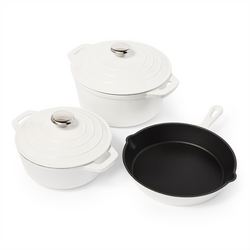
A versatile pan also makes a thoughtful gift for someone setting up a first kitchen, settling into a new home or building a collection of cookware that will last for years. It is practical enough for a new cook and capable enough for someone who already enjoys experimenting with recipes. For a housewarming gift, choose a size that can move comfortably from stovetop to oven to table, since cookware that doubles as servingware can make entertaining feel less complicated. A pan in a quiet, classic finish can blend into many kitchens and pair easily with everyday dinnerware; those drawn to a bright, clean aesthetic may enjoy browsing
White Creuset selections. When choosing a pan as a gift, think about the recipient’s habits rather than selecting by appearance alone. Someone who cooks for one may appreciate a compact pan for eggs, vegetables and small portions, while a busy household may get more use from a wider pan with generous capacity. A home baker might reach for an oven-friendly pan for cobblers, biscuits and skillet cookies, while an enthusiastic host may value a piece that looks polished enough to bring directly to the dining table. If the pan includes a lid, it can expand its usefulness for simmering, braising and storing food after it has cooled. If it does not, a fitted lid or compatible cover may be worth considering. The best pan is one that feels inviting to use and sturdy enough for real life—one that can handle a hurried dinner after work, a leisurely meal shared with friends and the occasional recipe that becomes a family favorite.