-
(3)
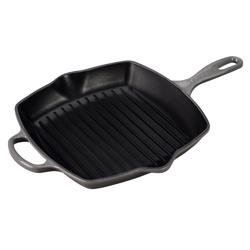
A gray cast iron grill pan with high ridges for healthier cooking and signature grill marks.
Pros: performance, even heat distribution, versatility
-
(14)
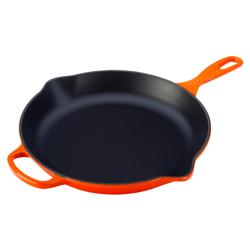
A vibrant orange cast-iron skillet with excellent heat distribution for perfect cooking results.
Pros: durable, easy to clean, quality
-
(124)
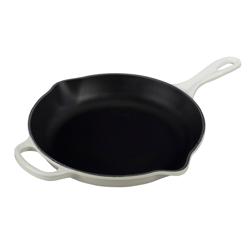
A durable white cast-iron skillet with sloped sides for dripless pouring and a matte-enamel interior.
Pros: complements iron skillet, great quality, wonderful skillet
-
(3)
A durable, matte black enameled cast iron skillet for outdoor cooking, with raised loop handles and angled sides.
Pros: durable, versatile size, large handles
-
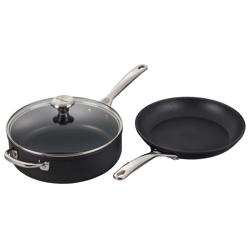
A 3-piece nonstick cookware set in black, featuring textured surfaces for even cooking and easy cleaning.
-
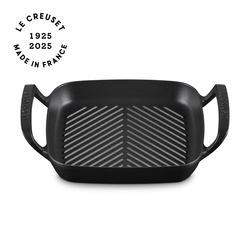
A black cast iron grill pan with enamel coating, designed for outdoor searing and easy grill maneuvering.
-
(16)
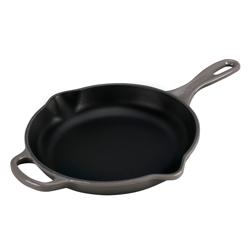
A gray cast-iron skillet with sloped sides for dripless pouring and a durable enamel construction.
Pros: beautiful, functional
-
(16)
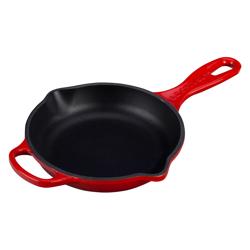
A 6.3" red cast-iron skillet with sloped sides for dripless pouring and a durable enamel construction.
Pros: functional, perfect size, color
Le Creuset Skillet Grill
A skillet's versatility is matched only by its beauty. It's perfect for cooking on the grill, in the oven or over an open flame. And it's a great addition to any kitchen. Here are some top quality Le Creuset skillet grills to choose from.

Le Creuset Skillet Grill
FAQ List
A skillet grill is a kitchen tool that can be used for a variety of cooking techniques, from searing and grilling to sautéing and frying. It is essentially a pan with raised ridges that mimic the grilling marks of an outdoor grill.
Skillet grills offer a convenient way to grill indoors, especially if you don't have access to an outdoor grill. They also allow for quick and easy meal preparation, as well as a wide range of cooking techniques and dishes.
Consider the size and shape that will work best for your needs, as well as the material of the skillet grill. Cast iron is a popular choice for its durability and even heating, while stainless steel offers a sleek and modern look. Non-stick coatings can also be a helpful feature for easier clean-up.
It is generally safe to use a skillet grill on a glass cooktop, but it is important to check with your cooktop manufacturer to ensure that it is compatible. Be sure to use caution when handling the skillet grill to avoid scratching the cooktop surface.
Most skillet grills can be cleaned with hot water and soap, or with a non-abrasive cleaner. Be sure to avoid using metal utensils or abrasive sponges, as they can scratch the surface of the skillet grill. It is also important to dry the skillet grill thoroughly to prevent rusting.
-
"Great Pan"
-
"The best skillet, small and with two handles. We use it on the bbq grill and on the stove"
-
"Le Creuset, the best quality"
-
"Best birthday present this year!I love the color too"
-
"The best skillet, small and with two handles. We use it on the bbq grill and on the stove"