-
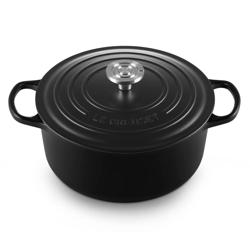
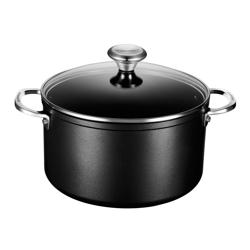
A 6 qt. stockpot with a durable nonstick surface for excellent browning and searing, in black.
-
(4)
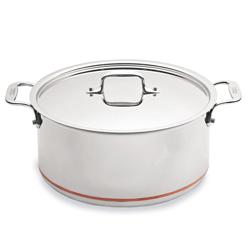
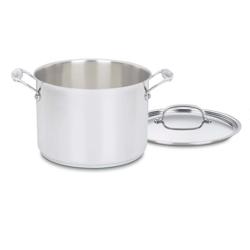
A 7 qt. stainless steel stockpot with stay-cool handles, self-sealing lid, and even heating.
Pros: lighter weight, nice stockpot, good pot
-
(2)
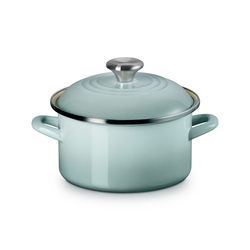
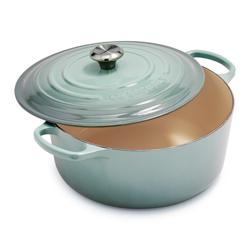
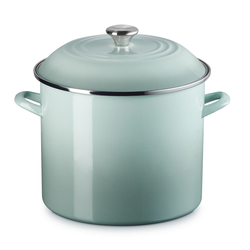
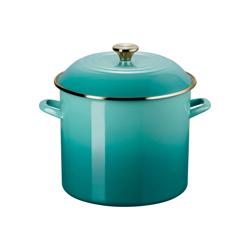
A durable sea salt blue stockpot with rapid-heating carbon steel and a cool-touch stainless steel knob.
Pros: works well
-
(2)
A lightweight blue carbon steel stockpot with a non-reactive enamel coating and heat-resistant knob.
-
(3)
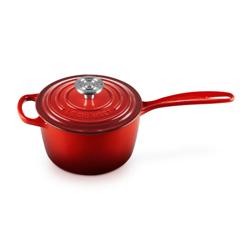
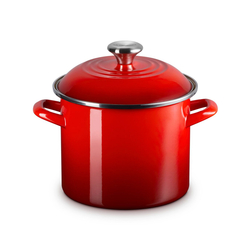
A durable red stockpot with a stainless steel knob and easy-to-clean porcelain enamel coating.
-
(3)
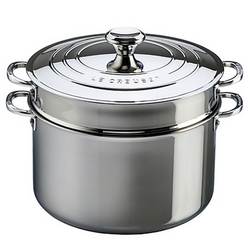
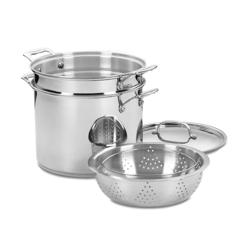
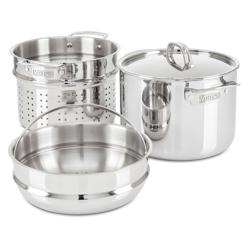
A 9 qt. stainless steel stockpot with colander insert, featuring stay-cool handles and a self-sealing lid.
Pros: versatility, design, lid and insert
-
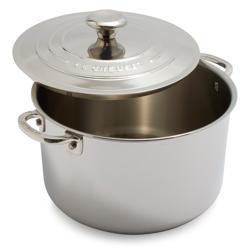
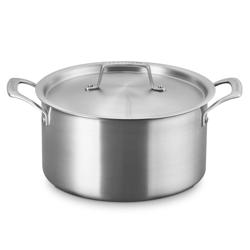
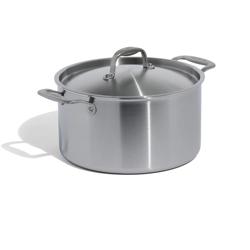
A sleek silver stainless steel stockpot with an aluminum core for even heat distribution and easy pouring.
Le Creuset Stockpot
Experience the exceptional quality and craftsmanship of a Le Creuset stockpot. This stockpot is made from enameled cast iron and offers even heat distribution and excellent heat retention. Its vibrant and durable enamel coating is resistant to chipping and cracking, ensuring a lifetime of use. With its generous capacity and versatile design, the Le Creuset stockpot is perfect for making stocks, soups, and large-batch meals.
Le Creuset Stockpot
FAQ List
A stockpot is a large, deep pot used for making soups, stews, and other dishes that require a lot of liquid.
When buying a stockpot, consider the size, material, and durability. You want a pot that is large enough for your needs, made with a material that will evenly distribute heat, and built to last.
A stockpot is typically larger and deeper than a soup pot, as it is designed to hold a larger volume of liquid. Soup pots are generally smaller and shallower, and are better suited for making smaller batches of soup or stew.
Yes, a stockpot is great for boiling pasta as it can hold a large volume of water and has plenty of space for the pasta to cook evenly.
The best way to clean your stockpot will depend on the material it is made from. Generally, you can wash it with warm, soapy water and a soft sponge. Avoid using abrasive cleaners or scrubbers, as they can damage the surface of the pot.
-
"Love the color, would like it in a 2 qt and a glass lid would be nice"
-
"Love my new sauce pan. I started using Le Creuset cookware over 20 years ago"
-
"Best birthday present this year!I love the color too"
-
"Took the leap and LOVE it! Green is my favorite color. Your eyes will rest on this color"
-
"The best!! Really perfect, even cooking. I love cooking with these pans"