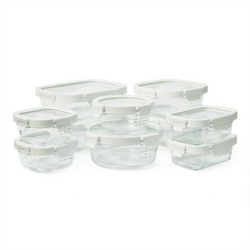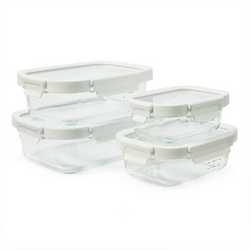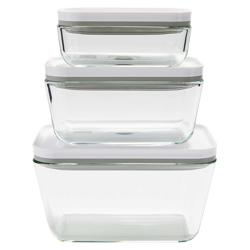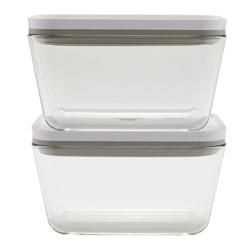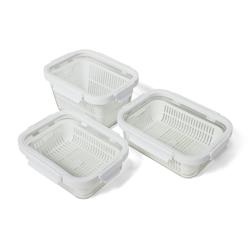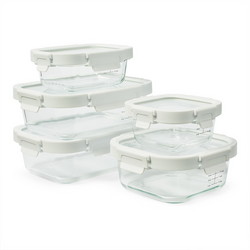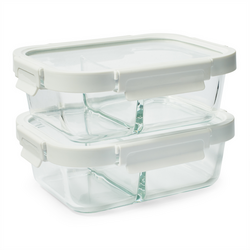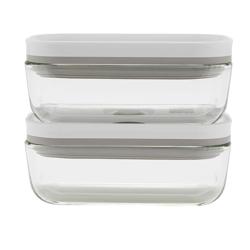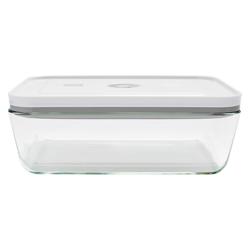
Leak proof glass containers bring the clarity and convenience of glass to meals that need to travel, be stored or reheated without leaving a mess behind. A well-designed container typically pairs a durable glass base with a fitted lid, a silicone gasket and locking tabs that press the seal securely into place. Together, these details help keep soups, sauces, dressings, marinades and other liquid-rich foods contained when packed in a lunch bag or carried from the kitchen to the office. The glass makes it easy to see what is inside at a glance, while its nonporous surface resists absorbing food colors, aromas and oils. That is especially helpful after storing tomato sauce, curry or a garlicky grain bowl—foods that can linger in less durable materials. When comparing options, look closely at the lid construction rather than relying on the phrase “leak proof” alone. A removable silicone gasket is useful because it can be taken out for thorough cleaning, and locking tabs or clips generally provide a more secure closure than a lid that simply rests on the rim. The seal should sit evenly around the entire perimeter, with no twists, gaps or areas that feel loose. It is also worth checking whether lids nest or stack neatly, since an organized cabinet makes everyday meal preparation much easier. Clear glass sides are practical for identifying leftovers, portioning ingredients and keeping track of food before it gets forgotten behind taller containers. Choose a variety of shapes and capacities to suit the way you cook: shallow pieces are convenient for grains, roasted vegetables and individual portions, while deeper containers work well for stews, pasta, fruit or foods with a generous amount of sauce. For pantry organization, see our selection of
Airtight Clear Containers.
For many kitchens, the most important consideration is how the glass handles changes in temperature. Some glass containers are made with thermal-shock-resistant glass, including borosilicate glass, which is designed to better withstand movement between cold and hot environments. Even so, thermal stress can damage any glass if it is used incorrectly. Always follow the manufacturer’s instructions for oven, microwave, freezer and dishwasher use, and look for clearly stated temperature limits before heating or chilling food. Avoid placing a cold container directly into a hot oven unless it is specifically approved for that use, and do not set a hot glass base on a cold or wet surface. Lids usually have different heat limitations than the glass itself; they may be suitable for the refrigerator or freezer but not for oven use. Venting the lid or removing it completely before reheating can help prevent pressure from building up, while leaving enough headspace is important when freezing liquids because food expands as it freezes. Leak proof glass containers are a practical choice for people who prepare lunches ahead, portion meals for the week or prefer to cook once and enjoy leftovers over several days. They suit busy households, students, commuters, caregivers and anyone who likes having a reliable meal ready during the cooler months. They are also useful for transporting a dish to a shared meal, storing a batch of soup after an afternoon of cooking or packing snacks for a day outdoors. When filling a container for transport, allow hot food to cool according to safe food-handling practices before sealing and refrigerating it, wipe the rim clean so the gasket can make full contact and keep the container upright in a sturdy bag. For the best seal, avoid overfilling and check that every latch is fully closed. A container set can make a thoughtful housewarming, wedding or back-to-school gift because it supports routines that continue long after the wrapping is gone. Look for sets with varied sizes, secure closures, easy-to-clean components and bases that stack efficiently. With those details in place, leak proof glass containers can move comfortably from meal prep to refrigerator storage to the table, helping keep food fresh, visible and ready for the next serving.