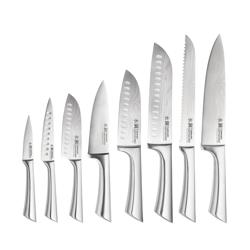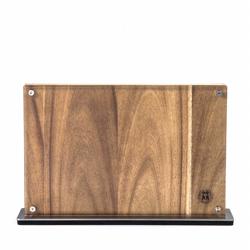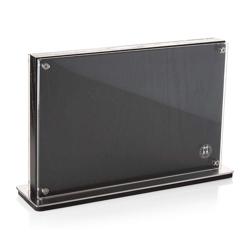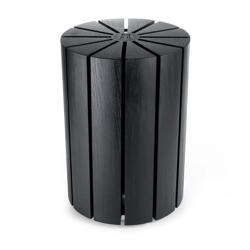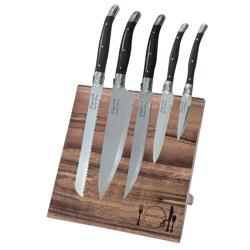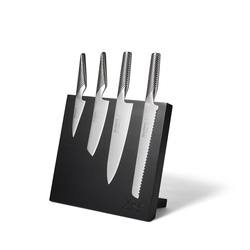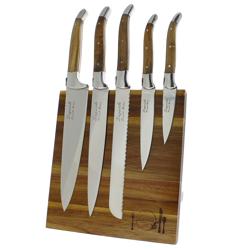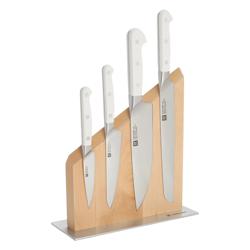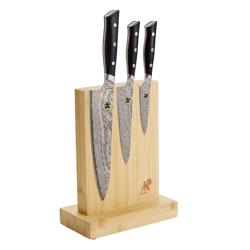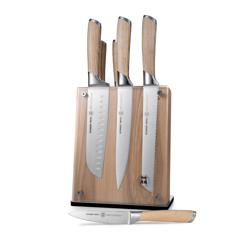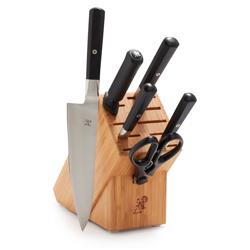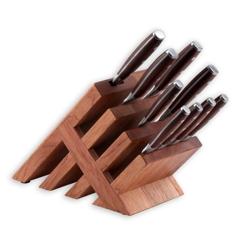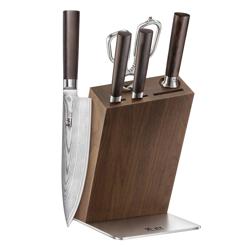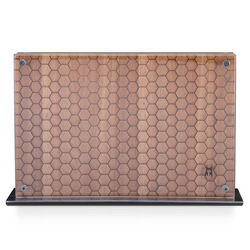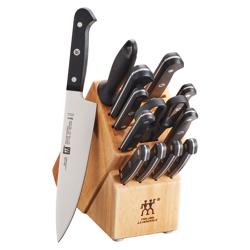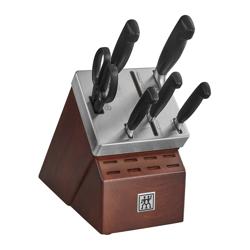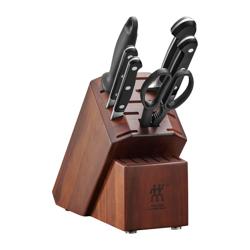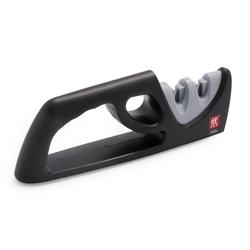
Magnetic knife blocks for wedding registries offer visible, organized storage for compatible kitchen knives, making them a practical gift for couples setting up a kitchen or bringing two households together. Unlike a traditional slotted block, a magnetic design holds blades against a surface using magnets built into the body, so the shape and size of each knife are easy to recognize. That open arrangement can make everyday prep feel more straightforward: a chef’s knife is ready for chopping onions, a smaller blade is easy to spot for trimming strawberries and the bread knife has a designated place after slicing a crusty loaf. With enough space between blades and careful placement, magnetic storage helps keep cutting edges from knocking against other utensils, as they might in a crowded drawer. It also lets couples arrange their collection around the knives they actually use rather than a fixed set of slots. For a wedding registry, that flexibility is especially useful when each partner already owns a few favorite knives or plans to build a collection gradually. A freestanding block can sit near a prep area without requiring wall installation, although its footprint still deserves a place in the countertop plan. The best fit leaves room for a cutting board, keeps handles easy to reach and stays clear of busy pathways where someone might brush against an exposed blade. For couples who cook together, thoughtfully placed storage can support a comfortable division of tasks without crowding the same corner of the counter. It is also a gift that becomes part of ordinary shared routines, from packing lunches to preparing dinner for friends. Rather than being reserved for special occasions, a well-chosen block gives frequently used tools a consistent home and adds a considered finishing touch to a kitchen that is beginning to reflect both people.
Materials and proportions shape how a magnetic knife block looks, feels and fits into that kitchen. Wood brings natural grain and warmth to the counter, with lighter finishes lending a subtle backdrop and darker tones creating more contrast against steel blades. Grain patterns and color can vary, so a wooden block has its own character rather than a perfectly uniform appearance. Bamboo offers a different grain pattern, while designs incorporating metal or clear protective panels can suit a kitchen with simpler lines and more visible hardware. Appearance matters for something that stays on display, but construction and usable storage space matter just as much. A smooth, well-finished contact surface, a stable base and magnets suited to the intended knives are more useful than a capacity claim considered on its own. The number of knives a block can accommodate depends on blade width, handle shape and spacing; a broad chef’s knife takes up more room than a narrow utility knife. Couples with several wide blades should consider usable surface area rather than assuming every stated knife position will fit their collection comfortably. Block height also needs to accommodate the longest intended blade without allowing its tip to touch the counter or base. On a double-sided design, both faces need sufficient clearance for reaching handles and removing knives without bumping nearby objects. A block placed beneath an upper cabinet should leave room for comfortable removal, while one positioned against a backsplash may not make full use of rear-facing storage. Magnetic compatibility is another essential detail: ceramic knives will not attach, and attraction can vary with the steel and blade construction. Checking the block’s intended use and the knife maker’s recommendations helps avoid a mismatch. For a compact kitchen, a smaller block holding a few everyday essentials may be more useful than a larger design that competes with the coffee maker, utensil crock and work surface.
Care and daily handling help a magnetic knife block remain a dependable part of a couple’s kitchen. Knives should be clean and completely dry before storage, especially when the blade rests against wood or sits behind a protective panel. Moisture trapped at a contact point can affect finishes and contribute to corrosion on susceptible blades, so drying is worth treating as part of the washing routine rather than an optional last step. The block itself generally needs gentle cleaning according to its material and the manufacturer’s instructions. Many wooden designs call for wiping with a lightly dampened cloth and drying promptly, not soaking or cleaning in the dishwasher. Any conditioning treatment should be one recommended for that particular finish; not every wooden surface needs the same care. Keeping the block away from sink splashes and direct heat can also help preserve its appearance and construction. Open storage makes debris easier to notice, though bases, seams and any panels still need attention. When returning a knife, guide it into place with control rather than letting the magnet pull it sharply against the surface, and leave enough separation to prevent neighboring blades from touching. Strong attraction does not make exposed knife storage childproof or petproof. Placement should keep blades beyond children’s reach and away from counter edges, and households that need enclosed or secured storage may find another format more appropriate. For gift giving, these practical considerations make a registry selection more personal: the right block fits the recipients’ cooking habits, available space and comfort with visible blades. Couples can coordinate their storage choice with
Wedding Registry Knives, considering blade dimensions and compatibility together rather than treating the block as an afterthought. Gift givers should also check whether a registry selection is for storage alone or includes knives, since a block does not necessarily come with cutlery. A durable, appropriately sized design can continue serving the household as cooking routines develop, keeping trusted tools organized through quick breakfasts, ambitious dinner projects and the meals that become shared favorites.