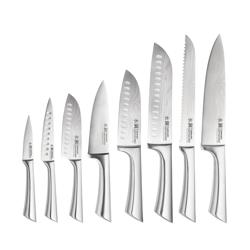
Magnetic tool holders give frequently used kitchen tools a designated place without taking over the counter or disappearing into a crowded drawer. A wall-mounted strip can keep compatible knives, kitchen shears and other metal utensils within easy reach, leaving more room below for a cutting board, a bowl of vegetables or dough ready to roll. That simple change can make everyday prep feel less crowded, especially in a kitchen where the same stretch of counter handles everything from breakfast to dinner. Instead of sorting through a drawer with damp hands, you can see the tool you need and reach for its handle. For cooks who move between chopping herbs, trimming vegetables and slicing bread, a well-positioned holder helps keep the work area organized throughout the meal. Magnetic storage also leaves blades visible rather than tucked inside a block, making it easier to distinguish a small paring knife from a larger chef’s knife at a glance. The usefulness extends beyond knives, provided each tool is magnetic and falls within the holder’s intended use and weight limits. Some kitchen shears and lightweight metal utensils may be suitable, while bulky, unevenly shaped tools may not sit securely against the surface. For compact kitchens, the appeal is often the counter space gained; for larger kitchens, it may be the convenience of keeping a few essentials close to a dedicated prep station. A neatly arranged holder can also bring a personal touch to the room, whether the surrounding space has warm wood cabinets, painted shelves or a clean metal backsplash. The goal is not to display every tool you own. Giving a handful of frequently used pieces enough room to be grasped comfortably often creates a more useful arrangement than filling the entire strip. During the cooler months, when roasting vegetables, simmering soups and baking projects can share the same afternoon, that extra bit of breathing room is especially welcome.
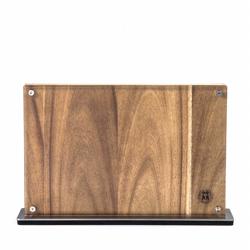
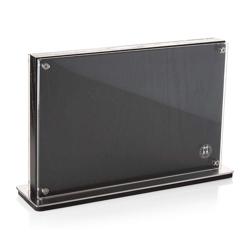
Materials, dimensions and mounting requirements all shape how a magnetic tool holder will fit into your kitchen. Wood-faced holders offer a warm appearance and a surface that can be gentler on blade finishes, although grit or food residue can still cause scratches. The grain and color of natural wood can vary, so consider how its tone will sit beside your cabinets, cutting boards and countertops rather than expecting an exact match. Stainless steel surfaces lend a more streamlined look and are generally straightforward to wipe clean, but fingerprints, water spots and contact marks may be more noticeable depending on the finish. Whatever the exterior material, the magnet must hold each intended tool securely, and that performance depends on more than the holder’s length. The size, weight, shape and magnetic properties of the tool matter, as does how fully it contacts the holding surface. Many steel knives work with magnetic storage, but not every stainless steel alloy responds equally to magnets, and ceramic blades will not attach on their own. A holder should never be assumed compatible simply because a utensil looks metallic. Measure the proposed location with the actual tools in mind, allowing room for the longest blade, clearance beneath the handles and enough space between pieces to remove one without bumping another. A short strip may suit a carefully edited everyday selection, while a longer holder can offer more separation if the wall space allows. If knives are the main focus, the
Best Magnetic Knife Holder page provides a more focused place to explore knife storage. Installation deserves just as much attention as appearance: tile, drywall, masonry and cabinetry can require different mounting hardware or methods. Follow the holder manufacturer’s directions for the surface and load, including any restrictions on adhesive mounting. Renters should check whether installation is permitted rather than assuming a no-drill setup will work. A secure attachment to the wall is essential because removing a tool puts force on the holder as well as on the tool itself.
Placement and everyday care help magnetic tool holders remain useful over time. Choose a location close enough to your prep area for comfortable access, but away from busy walkways, swinging cabinet doors and spots where someone might brush against an exposed blade. Avoid positions that require reaching across a hot cooktop or stretching awkwardly over a sink. Magnetic knife storage is open storage, not a childproof solution, so households with children or anyone who needs restricted access to sharp tools may be better served by secured alternatives. Before loading a holder, confirm that its mounting is stable and its surface is clean. Wash and thoroughly dry knives and utensils before returning them; trapped moisture can affect tools, wood finishes and mounting surfaces over time. For routine cleaning, follow the care instructions for the holder’s material, using a soft cloth and an appropriate mild cleaner when recommended. Avoid soaking wood or using abrasive pads that can scratch a finished surface. Keeping grease and crumbs off the contact area also makes it easier for tools to sit as intended. When placing a knife, bring it to the holder in a controlled motion rather than letting the magnet pull it sharply into place, and avoid scraping the cutting edge against the surface. Remove tools by the handle with deliberate control, following any handling directions supplied with the holder. Periodically check for loosened hardware, movement at the wall or damage to the holding surface, particularly if the arrangement changes to include heavier pieces. Thoughtful selection also makes a magnetic holder a practical gift for someone setting up a kitchen, refreshing a prep space or finding a home for a growing knife collection. It is worth knowing whether the recipient has a suitable mounting spot and prefers visible storage before choosing one. For a home cook who values a clear counter and a familiar place for each essential, the right holder supports the small, repeated motions that make cooking feel more comfortable, from the first sliced onion to the final wipe of the cutting board.