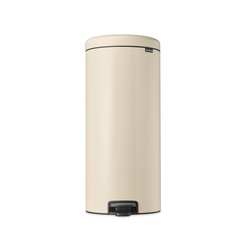
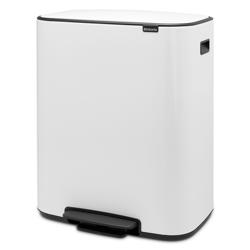
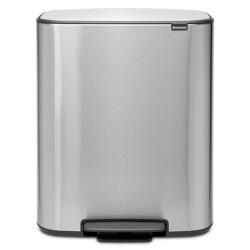
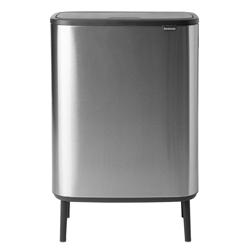
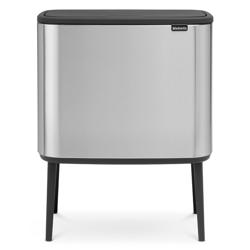
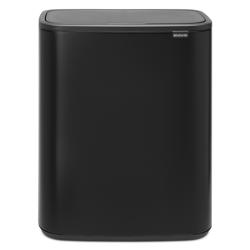
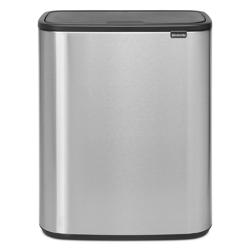
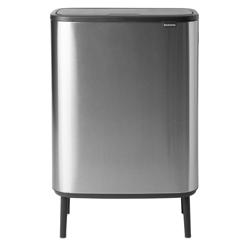
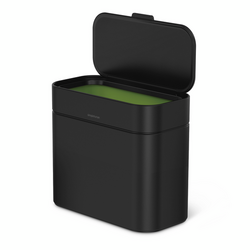
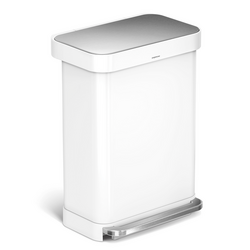
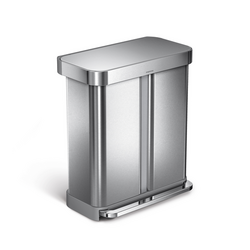
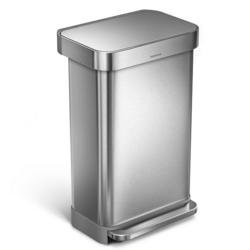
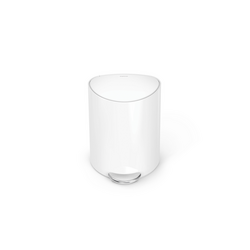
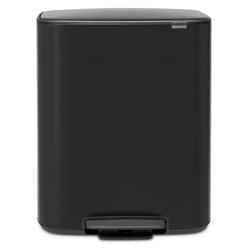
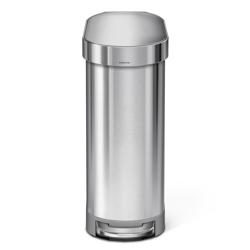
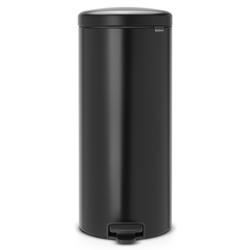
Metal step trash cans combine a sturdy metal exterior with a foot-operated lid, allowing you to throw away everyday waste without touching the lid with your hands. That simple convenience makes a difference when you are trimming vegetables, peeling shrimp or clearing plates after dinner. A covered container also keeps discarded packaging out of sight and can help contain odors between bag changes, though regular emptying and cleaning still matter. Stainless steel is a popular choice for its corrosion resistance and its easy fit alongside kitchen appliances, while coated metal offers another way to coordinate a trash can with cabinetry, hardware or painted walls. Silver finishes have a familiar, understated look; brushed surfaces offer a softer appearance than polished metal. Some finishes are designed to resist fingerprints, helping reduce visible marks around the lid and sides without eliminating the need for cleaning. Capacity is another important consideration. Metal step trash cans in the 13- to 16-gallon range can suit busy family kitchens, while smaller containers may be a better fit for a bathroom, home office or household that produces less waste. The most useful size depends on both how much you discard and how often you prefer to take the trash out. A larger can accommodates more packaging, but food scraps may still need to leave the kitchen well before the bag is full. For households that separate recyclables, dual-compartment designs keep two waste streams together in one footprint. Their total capacity is divided between compartments, so the size of each section matters more than the combined number alone. A roomy recycling section can be especially useful where cartons, cans and bottles make up much of the daily waste. Whether the container serves a shared kitchen or a small apartment, the right balance of capacity, shape and convenient access makes everyday cleanup easier to manage.
A metal step trash can should fit the way you move through a room, not simply the open patch of floor where it stands. Rectangular shapes often sit neatly alongside cabinets, while slim designs can make use of narrow spaces beside an island or at the end of a counter. Round containers can work well in an open corner, although their curved sides may leave unused space against a wall. Width, depth and height all deserve attention, along with the clearance needed for the lid to open fully. A can that fits beneath a countertop when closed may not have enough room to operate there. The pedal also needs space in front, so placement should let you approach naturally without stepping around a stool or blocking a cabinet door. For a kitchen with more floor space and a preference for a neutral metal finish,
Large Silver Step Trash Cans offer a related category to explore. Beyond size and appearance, everyday usability comes down to details you notice with each bag change. A soft-close lid can reduce the abrupt sound of a lid dropping shut, an appealing feature in an open kitchen or a shared workspace. A stay-open setting, when included, can make a longer cleanup session easier, while a removable inner bucket helps with liner replacement and cleaning. Some designs hold the bag around an inner rim; others use a bucket or liner support to keep it in position. Bag fit matters because a liner that is too short can pull loose, while excess material can bunch beneath the lid. Check recommended liner dimensions rather than relying on gallon capacity alone, since containers with the same stated capacity can have different proportions. A comfortable pedal, stable base and smooth lid movement are worth considering for a can that will be opened many times a day. The metal body is only one part of its durability; the hinges, pedal linkage and other moving parts also contribute to how well it handles repeated use.
Keeping a metal step trash can looking good usually calls for gentle, regular care rather than vigorous scrubbing. Follow the care instructions for the particular finish, especially if the surface has a fingerprint-resistant coating. A soft cloth with mild soap and water is often suitable for routine exterior cleaning, followed by drying to prevent water spots. Abrasive pads and harsh cleaners can scratch metal or damage protective finishes, and a cleaner intended for uncoated stainless steel may not suit a coated surface. Spills around the lid rim and beneath the liner are easier to address before they dry, so an occasional check during bag changes helps prevent buildup. If the can has a removable bucket, clean it according to its care instructions and let it dry before replacing the liner. Avoid soaking the assembled container or directing water into the pedal mechanism unless the manufacturer specifically permits it. Odor-control features, such as a filter compartment or a closely fitting lid, can help manage smells, but they do not replace removing food waste and cleaning residue. Leaking bags, liquids collected at the bottom and scraps caught around the rim can all contribute to persistent odors. A liner that fits securely and is changed before it becomes overly heavy also makes carrying trash outside less awkward. In a busy kitchen, a generous container with a durable pedal may be the most practical choice; in a guest bathroom, a compact covered can keeps small waste neatly contained without taking over the room. For someone furnishing a first apartment or settling into a new home, a well-chosen trash can is a useful household addition, provided its dimensions and finish suit the space. Metal is durable, but it is not dentproof or scratchproof, so placement away from swinging doors and heavily traveled paths helps preserve its appearance. With thoughtful sizing, compatible liners and straightforward care, a metal step trash can can become an unobtrusive part of the daily routine, ready for everything from morning coffee grounds to the last scraps of dinner cleanup.