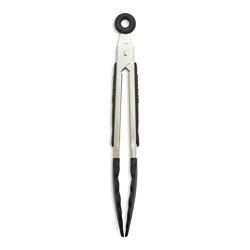
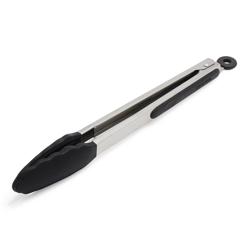
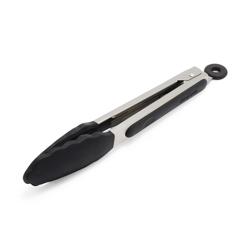
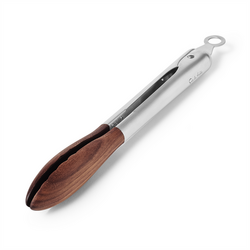
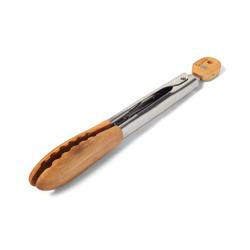
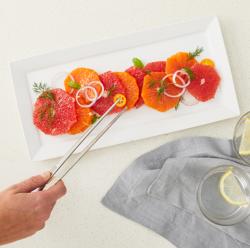
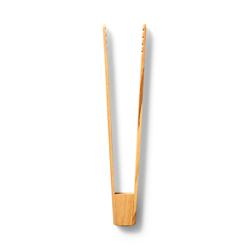
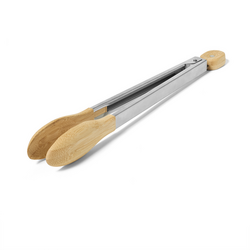
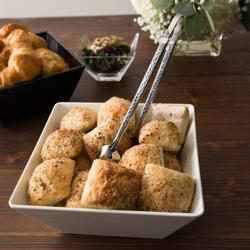
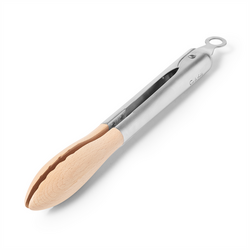
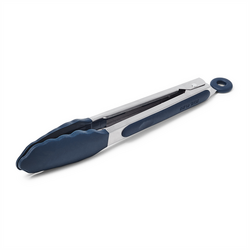
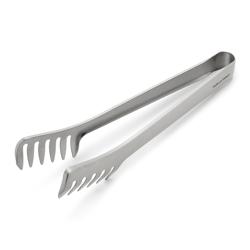
Mini tongs for home entertaining are compact serving utensils, often about 3 to 7 inches long, designed to pick up appetizers, cold cuts, garnishes and other small foods with control. Their shorter reach makes them a natural fit for charcuterie boards, dessert trays and self-serve spreads where full-size kitchen tongs can feel cumbersome. A pair beside folded slices of salami lets guests lift a portion without disturbing the rest of the arrangement; another beside a bowl of lemon wedges keeps fingers away from shared food. These small details help a gathering feel thoughtfully set up without making the table look formal. Mini serving tongs are especially useful when the food calls for a gentle pinch rather than a scoop, whether that means a ribbon of prosciutto, a cheese cube or a small pastry. A serving spoon may be better for loose grains or saucy dishes, while compact tongs suit individual bites that hold their shape. For hosts who enjoy building a spread around sliced meats,
Mini Tongs For Cold Cuts offer a focused starting point for that style of serving. Beyond the appetizer table, small tongs have a place beside citrus slices at a drink station, sugar cubes on a coffee tray or neatly arranged cookies after dinner. Their scale helps keep the food, rather than the utensils, at the center of the presentation. Giving each platter or distinct section of a board its own pair also makes serving more convenient and helps limit the transfer of crumbs, oils and strong flavors. At a casual game night, a birthday buffet or a small dinner with friends, guests can take what they want without searching for a utensil or passing one back and forth. For a host balancing conversation with refilling dishes, that easy access is a practical benefit: the spread needs less attention, and guests can serve themselves comfortably.
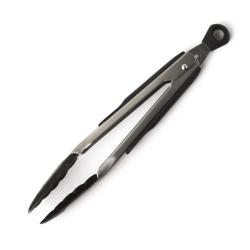
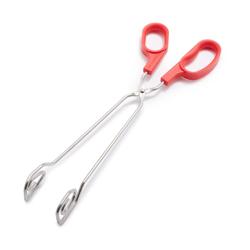
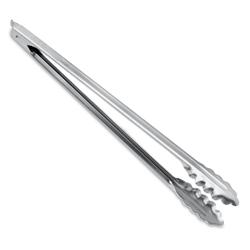
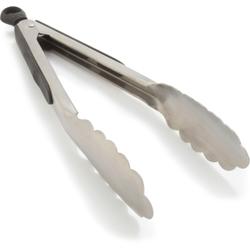
Material and shape make a noticeable difference in how mini tongs handle food. Stainless steel is a common choice because it is durable, resists corrosion and complements a wide range of serving pieces, from wood boards to porcelain platters. All-metal tips can provide a precise grip on firm bites, though the edge shape and closing pressure matter as much as the material. Scalloped ends can help hold irregular pieces, while broader ends offer more support beneath foods that might bend or break. Silicone-tipped mini tongs provide a softer contact surface that can be helpful around delicate serving dishes and for foods that benefit from a gentler touch. Soft tips do not automatically guarantee a delicate grip, however; a stiff spring can still squeeze a tender pastry too firmly. For frequent entertaining, comfortable tension and smoothly aligned tips are worth considering alongside appearance. Tongs should open easily, close without excessive effort and meet evenly enough to grasp a thin slice rather than letting it slip through. Length is another practical consideration. A very short pair works well beside a shallow condiment dish, but a deeper bowl needs enough handle length to keep guests from reaching into the food. The utensil should rest securely on a plate or utensil rest rather than disappear into the dish or tip off its edge. Narrow tips suit small garnishes and tightly arranged appetizers, while a wider opening accommodates thicker bites. Some designs lock closed for storage, which helps keep a drawer organized when several pairs are used for gatherings. Others have a simple one-piece construction with fewer joints to clean. Neither approach is inherently better; the useful choice depends on the food being served, the space around the platter and the host’s preference for storage and handling. Heat resistance also varies by construction, so serving tongs should not be treated as stovetop tools unless the manufacturer specifically identifies them for that use.
Mini tongs earn their place in an entertaining collection through repeat use, and thoughtful care helps them stay comfortable to handle and ready for the next gathering. Dishwasher safety depends on the individual design, including any silicone components, coatings or locking mechanisms, so the manufacturer’s care directions are the best reference. When hand-washing, attention to the inside surfaces, hinge and edges of the tips helps remove food residue that a quick rinse can miss. Thorough drying before storage is especially useful around joints and overlapping parts. Stainless steel resists rust but is not immune to damage, and prolonged contact with salty or acidic residue is best avoided. Silicone tips should be checked for splitting, loosening or trapped residue where they meet the metal. For lasting usefulness, sound construction matters more than decorative detail: smooth edges, secure connections and tips that stay aligned all contribute to reliable serving. Keeping several pairs together makes it easier to set out separate utensils for a meat platter, vegetable tray and dessert plate. Separate tongs help reduce unwanted food transfer, but they do not make a shared spread allergen-safe; guests with food allergies may need separately prepared and served portions. A small plate beside each serving dish gives used tongs somewhere to rest without leaving oily marks or crumbs on the table. An extra clean pair is handy when one falls or a fresh platter comes out. These habits suit both people who entertain often and those who bring out a few favorite serving pieces for occasional company. Mini tongs also make a practical addition to a housewarming, wedding or host gift, particularly for someone who enjoys arranging appetizers or setting up a coffee station. Paired with a serving board or small platter, they support the way that person already likes to gather people. Compact enough for a modest kitchen drawer and useful across many kinds of meals, they are a small tool with a clear purpose: helping guests serve a bite neatly, comfortably and with less disruption to the food around it.