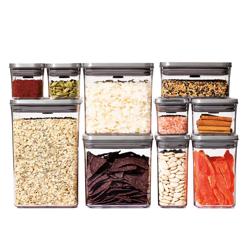
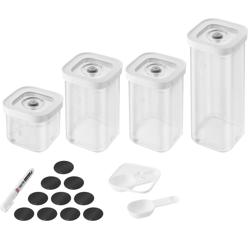
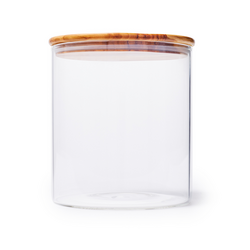
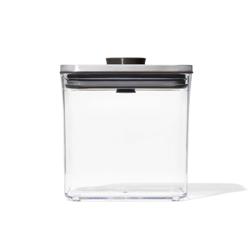
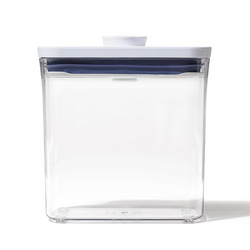
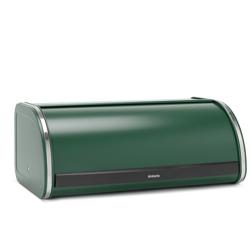
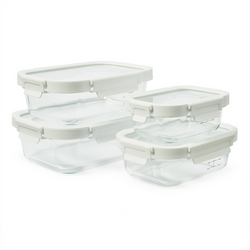
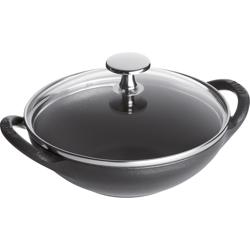
Minimalist kitchen canisters give everyday ingredients a dedicated place while keeping counters easy to use. Clean lines, restrained colors and simple shapes let storage sit comfortably beside a cutting board or coffee maker without making the room feel crowded. The appeal is practical as much as visual: oats stay close to the breakfast bowls, flour has a home near the mixing area and coffee beans are ready for the morning grind. A coordinated group can bring order to an open shelf, but a single well-chosen canister can be just as useful in a compact kitchen. Minimalist design does not have to mean an all-white countertop or perfectly matching containers. Clear glass, softly glazed ceramic and brushed metal each bring a different character to a space, and a shared shape or finish can make mixed materials feel connected. Rounded profiles soften angular cabinetry, while straight-sided designs make efficient use of shelf space. The most useful proportions depend on both the ingredient and the place it will live. A tall, narrow container may suit dry pasta, while a wider opening makes scooping flour or rice more comfortable. Clearance matters, too: a canister that fits beneath a cabinet still needs enough room for its lid to lift off easily. On a shallow shelf, a modest footprint can leave the front edge clear; beside a prep area, a stable base helps keep frequently used ingredients within reach. For anyone who cooks in a small space, reducing visual clutter can also mean leaving more of the work surface open. A few canisters filled with ingredients used often tend to earn their place more readily than a large display of seldom-used staples. Simple labels can distinguish flour from powdered sugar without adding much visual noise, especially when their placement and lettering stay consistent. That balance of access, proportion and restraint is what makes minimalist kitchen storage feel natural rather than staged.
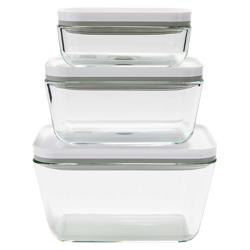
Material has a noticeable effect on how kitchen canisters look, handle and fit into daily routines. Glass makes contents visible at a glance, so it is easy to see when rice is running low or whether there are enough oats for breakfast. Its transparency also lets the ingredients become part of the display, with pale grains and dark coffee beans adding texture without extra decoration. Glass can feel substantial in the hand, though its weight deserves consideration when a full container will be lifted from a high shelf. Ceramic offers a quieter, more uniform appearance and conceals mismatched contents behind a consistent surface. Depending on the glaze, it can lend a subtle sheen or a softer, matte finish. Both glass and ceramic need thoughtful handling because knocks against a sink or stone countertop can cause chips or cracks. Stainless steel brings a different kind of practicality: it is generally resistant to breakage and works well in kitchens where containers get moved frequently. Fingerprints and scratches may be more noticeable on some finishes than others, making the surface treatment part of the decision. Opaque materials also limit light exposure, a useful consideration for ingredients best stored away from light. The lid deserves as much attention as the body. A fitted lid can help protect dry ingredients from everyday kitchen dust, while a design with a sealing gasket may offer a tighter closure. Airtight performance depends on the construction and condition of the seal, not simply on how heavy or snug a lid feels. For frequently used staples, an easy grip and a closure that opens comfortably can matter as much as appearance. Capacity is another practical distinction: the container should accommodate the amount normally purchased, with enough space to scoop without spilling. A broad opening is especially helpful for baking ingredients, while a smaller canister keeps modest quantities from getting lost at the bottom of an oversized vessel.
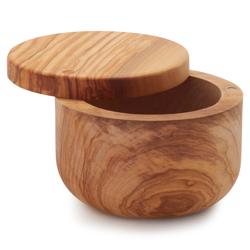
Good everyday storage should be straightforward to maintain. Care requirements vary by material, finish and lid construction, so the manufacturer’s instructions are the best reference for cleaning. A dishwasher-safe body does not necessarily mean the lid or sealing ring can go in the dishwasher, particularly when wood or other materials are involved. Removable gaskets can make it easier to clean around the rim, where flour dust and fine crumbs tend to collect. Thorough drying matters before refilling because trapped moisture is unwelcome around dry ingredients. Smooth interiors and accessible corners also make a difference during routine cleaning, especially when switching a container from something aromatic, such as coffee, to a milder ingredient. Wood lids bring warmth to a simple arrangement but may need gentler care than the container beneath them. Long-term durability comes from this combination of suitable materials, manageable weight and construction that stands up to repeated opening, washing and refilling. Keeping the original package information or noting the ingredient and best-by date on a discreet label helps preserve useful details after food is transferred. Finishing what remains before adding a fresh supply also makes it easier to keep track of older contents. These small habits let an uncluttered display support real cooking rather than becoming another surface to maintain. Minimalist kitchen canisters suit a wide range of households, from an apartment kitchen with one open shelf to a busy family pantry organized around daily meals. They can also make a thoughtful housewarming or wedding gift for someone who appreciates useful pieces with an understated presence, particularly when the finish complements the recipient’s space. For a coordinated approach beyond food storage,
minimalist kitchen cookware can carry the same clean-lined sensibility into the cooking area. There is no need for every surface to match exactly. Repeating one material or keeping the palette restrained can be enough to connect the room, leaving ingredients easy to find and the counter ready for the next meal.