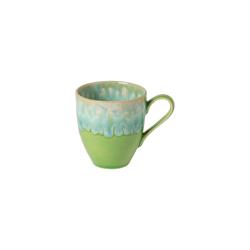
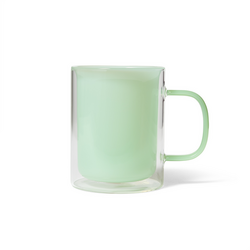
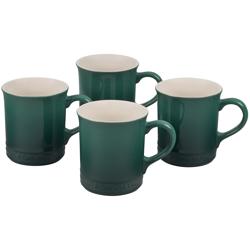
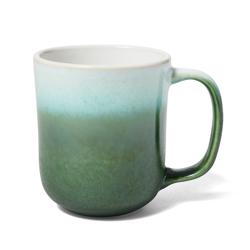
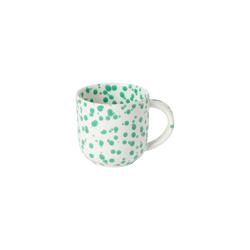
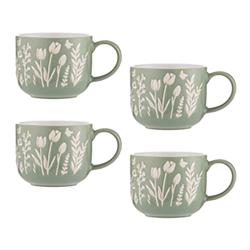
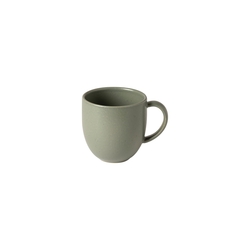
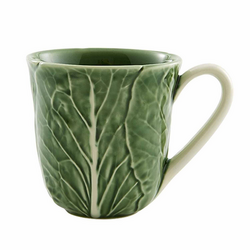
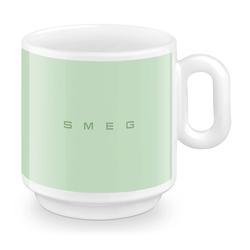
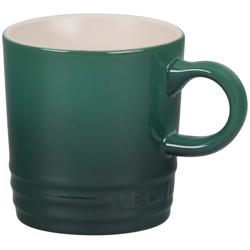
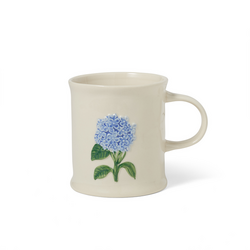
Modern green tea mugs combine clean lines, green finishes and comfortable shapes for everyday tea drinking. Earthy shades, soft pastels and deeper greens give this style its character, while simple silhouettes keep the look easy to mix with existing dinnerware. A mug in this palette works just as well for green tea as it does for herbal infusions, black tea or a favorite morning blend. The color describes the mug rather than limiting what goes inside it. For a modern look, consider how the shape and finish work together: a straight-sided profile feels streamlined, a rounded body offers a softer outline and a gently tapered base can make a substantial mug look lighter on the table. Matte finishes have a subdued appearance, while glossy glazes catch the light and emphasize variations in color. Neither finish alone determines quality or ease of care, so the surface inside the mug deserves attention, too. A pale interior makes it easier to see the color of brewed tea, which can be especially appealing with delicate green teas. Green also pairs naturally with wood trays, white dishes and clear glass, making it a practical accent rather than a color that requires an entirely coordinated kitchen. For a quieter palette,
Light Green Mugs offer another direction to consider alongside cream linens or simple stoneware. Deeper shades can provide contrast against a light countertop or bring different place settings together. Matching mugs create a consistent table, but mixing related greens can feel equally intentional when their shapes or finishes share something in common. The most useful choice balances that visual appeal with the way the mug feels in your hand, whether it sits beside a breakfast plate or accompanies an afternoon at your desk.
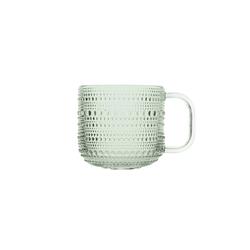
Material, size and proportions all affect how a tea mug performs beyond its appearance. Stoneware often has a substantial feel, though its weight depends on wall thickness and construction. Porcelain can offer a finer rim and a lighter feel, but those qualities vary by design rather than following a universal rule. Glass provides a clear view of the tea, while any green tint or decorative finish should be considered separately from the material’s suitability for hot drinks. Check the intended use and care information rather than assuming that all mugs tolerate the same conditions. A thick wall may feel reassuring in the hand, but it does not automatically make a mug more comfortable or more durable. The handle should leave enough room for your fingers without pressing them against the body, and the balance should feel manageable when the mug is full. A broad, stable base is helpful on a desk or breakfast tray; a narrower base may fit into tighter spaces, but dimensions matter if the mug needs to sit beneath a brewing machine. Capacity is another practical distinction. A smaller mug suits modest servings and concentrated tea, while a larger one leaves more room for milk, an infuser or a longer drink. Usable capacity will be less than a measurement taken all the way to the rim, especially when carrying tea from the kitchen to another room. For loose-leaf tea, compare the opening with the infuser you plan to use. A basket needs room for the leaves to expand, and its rim or handles should rest securely rather than slip into the mug. If a design includes a lid, check how it fits and whether it has a practical resting place once removed. Matcha prepared in a separate bowl can also be served in a mug, particularly when milk is added; a narrow mug is generally less convenient for whisking than a wide bowl designed for that purpose.
Day-to-day care is worth considering before choosing a finish or shape. A smooth interior without hard-to-reach corners is easier to rinse after tea, and a handle with enough clearance makes hand-washing less awkward. Dishwasher safety and microwave safety are separate features, so check each one independently, particularly when a mug has metallic decoration, a special coating or multiple materials. Even a dishwasher-safe mug benefits from being positioned securely so it does not knock against other dishes during the wash. For hand-washing, a soft sponge and a cleaner appropriate for the material help protect the surface; stubborn tea marks are better addressed with the recommended cleaning method than with aggressive scrubbing. Avoid sudden temperature changes unless the manufacturer specifically permits them, and inspect mugs for chips or cracks that could affect comfortable use. Storage matters as well. Stack only when the shape is designed for it, leaving handles and rims free from unnecessary pressure. These details are especially useful when choosing mugs for a shared kitchen, where easy care and a recognizable color may matter as much as the silhouette. For someone working from home, a comfortable handle and steady base can make a bigger difference than an unusually sculptural design. For a regular host, several mugs with compatible proportions can sit neatly together on a tray without needing to match every plate. Modern green tea mugs also make thoughtful gifts for tea drinkers, new homeowners or anyone refreshing a small kitchen. A familiar favorite color is a good starting point, but habits help narrow the choice: consider whether the recipient prefers small servings, uses a roomy infuser or relies on the dishwasher. Pairing a mug with loose-leaf tea or a simple tea strainer can make the gift ready to use without adding unnecessary pieces. When choosing for someone whose kitchen style is less familiar, a straightforward shape and an understated green finish are easy to work into many settings.