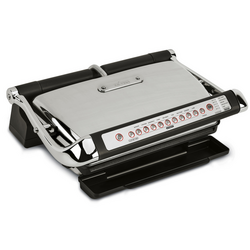
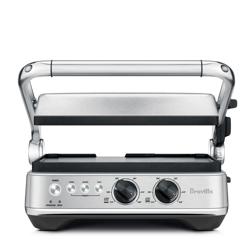
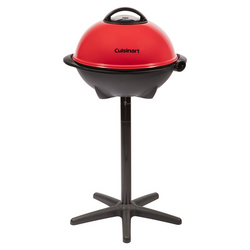
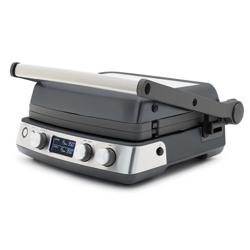
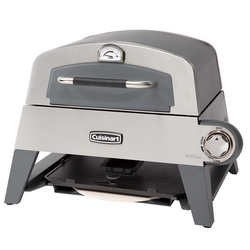
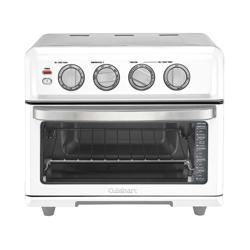
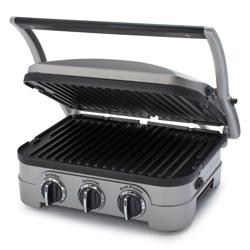
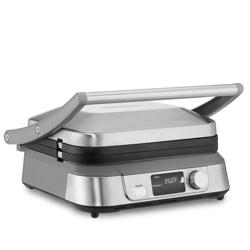
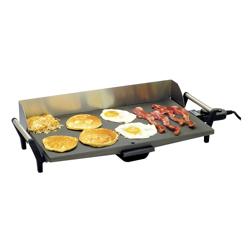
Modern grills are cooking appliances that pair direct heat with practical features such as adjustable controls, easy-to-clean cooking surfaces and space-conscious designs. Gas, charcoal, pellet and electric grills offer different ways to prepare everything from a quick vegetable skewer to a full meal shared around the table. The right fit depends on where you cook, how many people you usually serve and how much involvement you enjoy along the way. Gas grills appeal to cooks who want responsive heat adjustments and room to work on several foods at once. Charcoal grills suit those who enjoy building a fire, arranging the coals and developing the distinctive flavor that comes from cooking over them. Pellet grills use wood pellets and powered controls to support steady cooking, often with a focus on smoke flavor and longer cooking times. Electric grills offer another approach, with plug-in operation and designs suited to different spaces; only appliances specifically rated for indoor use belong inside. Beyond the fuel source, thoughtful details make a difference at dinnertime. Independently controlled cooking areas can provide space to sear a steak while more delicate vegetables finish over gentler heat. A lid adds flexibility for thicker cuts, while a warming rack can hold cooked food away from the main cooking surface. Some modern grills also offer connected controls, timers or probe compatibility, useful features for cooks who appreciate another way to monitor a meal. These features vary by design, and a clear, readable control panel can matter just as much as an app. For everyday cooking, the most useful grill is often the one that makes familiar meals feel manageable: chicken with crisp edges, corn with lightly charred kernels or thick slices of eggplant ready for a sandwich. Clean lines and streamlined finishes contribute to a contemporary look, but dependable performance and a comfortable cooking layout are what make a grill worth returning to.
Size and construction deserve as much attention as appearance. A grill needs to fit its cooking space with the clearances specified by the manufacturer, not simply squeeze into an open corner. The overall footprint includes handles, shelves and any room needed to open the lid fully. For a movable design, stable legs, secure wheels and a comfortable handle can make setup and storage less awkward. A compact cooking surface may be plenty for two servings of salmon and a few asparagus spears, while larger meals benefit from enough room to turn food without crowding it. Usable space matters more than dimensions alone, especially when part of the surface will be reserved for gentler cooking. Materials shape both performance and upkeep. Stainless steel is valued for its durability and resistance to corrosion, though it still needs cleaning and protection appropriate to its setting. Cast iron cooking grates hold heat well and can produce defined sear marks, but uncoated cast iron requires careful drying and maintenance to help prevent rust. Porcelain-coated surfaces offer a protective finish that needs gentle handling to avoid chips. Carbon steel surfaces can develop seasoning with proper care, and nonstick coatings call for utensils and cleaning tools approved by the manufacturer. No single material removes the need for routine maintenance. Accessible grease trays, removable cooking plates and straightforward grate designs can make that work easier. Dishwasher-safe components are convenient when explicitly identified as such; electrical assemblies, burners and other fixed parts need different care. A well-designed grill also feels reassuring in use, with a stable base, a lid that opens smoothly and controls that are easy to reach. For balconies, shared buildings or smaller outdoor areas, local rules and property restrictions may determine which fuel types are permitted. Outdoor fuel-burning grills must remain outdoors, away from enclosed spaces, with the required clearance from buildings and combustible materials.
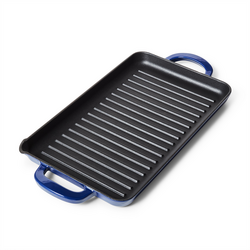
The best match for your cooking habits may be a grill that handles a few favorite meals especially well rather than one with the longest feature list. Someone who cooks dinner for one or two may appreciate a smaller surface that is simple to clean, while a frequent host may value separate cooking areas and a convenient place to rest a platter. Cooks who enjoy experimenting might look for compatibility with a griddle surface, a temperature probe or other accessories designed for that particular grill. Those additions can broaden the menu, but their fit and intended use matter: a cooking plate should never block airflow or interfere with safe operation. For cooking on a stovetop,
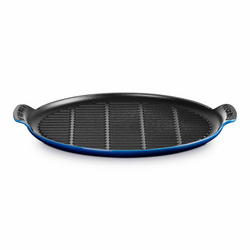
modern grill pans offer a related option, using raised ridges to create sear lines and lift food above some of the released juices. They do not reproduce every quality of cooking over flame or coals, but they can be useful for pressed sandwiches, sliced zucchini or a well-browned chop. Cooktop compatibility, pan weight and handle clearance are important considerations for these pieces, along with ventilation during cooking. Across grills and grill pans, lasting performance starts with care that suits the material. Removing food residue, emptying grease collectors as directed and drying cleaned surfaces thoroughly help keep the next meal from beginning with a lengthy cleanup. Coated surfaces benefit from nonabrasive tools, while seasoned surfaces need maintenance that preserves their protective layer. Storage also deserves a little space in the decision, including room for a suitable cover or removable components. As a housewarming or wedding gift, a grill can be a thoughtful choice when the recipient’s space, cooking preferences and fuel restrictions are already known. For any home cook, the lasting appeal of modern grilling is practical: a dedicated place to brown, sear and cook food with enough control to make both a simple supper and a shared meal feel within reach.