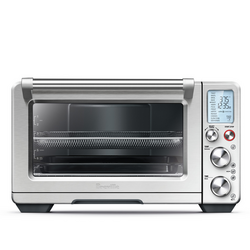
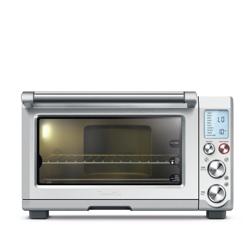
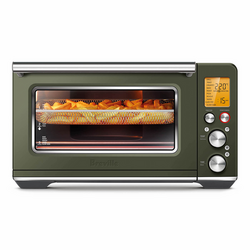
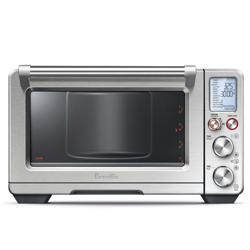
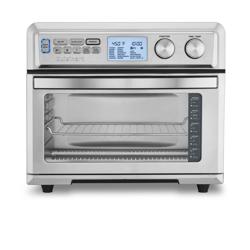
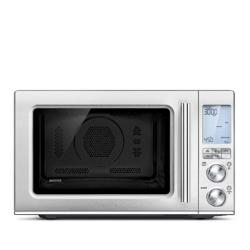
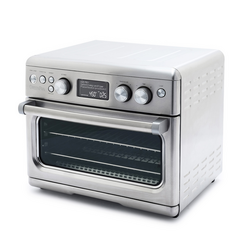
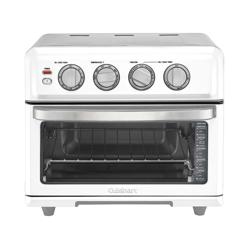
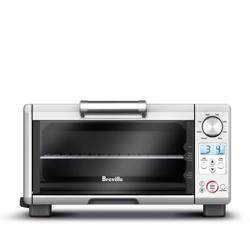
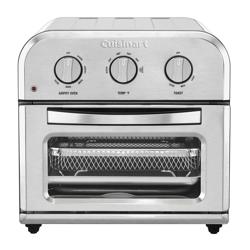
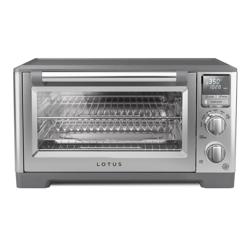
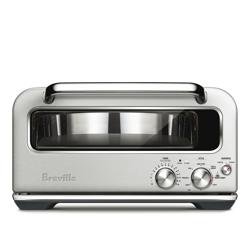
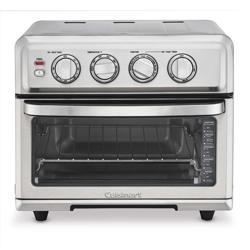
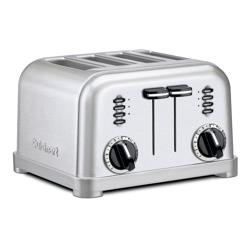
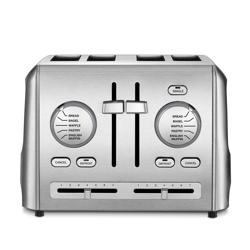
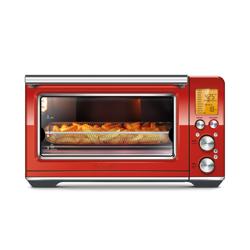
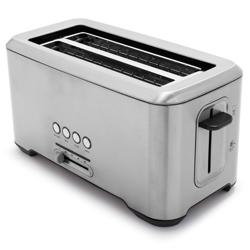
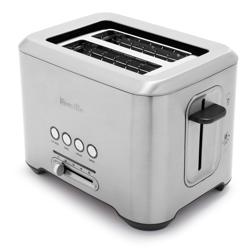
Modern kitchen ovens bring together practical cooking capacity, flexible heating options and controls that make everyday meals easier to manage. The category includes countertop ovens, built-in wall ovens and multifunction ovens that combine several cooking methods in one appliance. Convection ovens circulate heated air with a fan to encourage even cooking and browning, while ovens with air fry settings use moving hot air to help crisp food with a light coating of oil. Steam-capable ovens add moisture during cooking, and combination ovens pair methods such as steam and convection for different textures and finishes. These distinctions matter more than a long list of settings: someone who regularly roasts vegetables may value strong convection performance, while a frequent bread baker may appreciate steam capabilities and precise temperature control. A compact countertop oven can handle morning toast, a small tray of roasted carrots or reheated pizza without occupying the main oven. A larger cooking cavity gives households more room for family meals, and separate ovens allow dishes to cook at different temperatures when dinner includes both a slow roast and a bubbling gratin. During the cooler months, that flexibility is especially useful for baked pasta, roasted squash and fruit crumbles served warm from the oven. Modern design also extends beyond appearance. Readable displays, accessible rack positions, interior lighting and doors that open comfortably can make an oven more pleasant to use every day. Some ovens offer connected controls or food-monitoring features, although remote functions and safety requirements vary by model. Automatic programs can provide a convenient starting point, but food size, pan material and personal preferences still influence the result. The most useful modern kitchen oven is one whose capacity and cooking methods match the meals being made, whether that means crisping a quick lunch for one, baking a small batch of cookies or preparing several components of a shared dinner.
Fit deserves as much attention as cooking performance, particularly when adding an oven to an established kitchen. Countertop models need a stable, heat-resistant surface, access to an appropriate outlet and the ventilation clearances specified by the manufacturer. The footprint alone does not tell the whole story; the door needs room to open, hot cookware needs a safe landing spot and overhead cabinets must remain outside required clearance zones. Interior dimensions are equally important. An oven may look generous from the outside yet be too narrow for a favorite baking dish, especially once handles are included. Checking usable rack space, pan compatibility and clearance above the food helps avoid surprises when roasting a chicken or baking bread in a covered vessel. Built-in wall ovens involve additional considerations, including cabinet cutout dimensions, electrical requirements and installation at a height that allows comfortable lifting. Double wall ovens provide two cavities for cooking at separate temperatures, while a multifunction countertop oven can add cooking flexibility without a cabinet renovation. Materials and construction contribute to both appearance and everyday upkeep. Stainless steel exteriors coordinate easily with many kitchens, though fingerprints and splashes may be more noticeable on some finishes. Coated interiors can make food residue easier to remove when cleaned according to the manufacturer's instructions, while exposed heating elements require care when wiping nearby surfaces. A door that closes securely, racks that sit steadily and controls that respond clearly are practical details worth considering for frequent use. Think about the whole cooking area, too: an oven should leave enough room to prepare ingredients, handle hot pans and serve the finished meal. Coordinating an oven with other
Modern Kitchen Appliances can help create a cohesive workspace, but a matching finish should never come at the expense of usable counter space or comfortable access. For smaller kitchens, an appliance that performs several genuinely useful tasks can be more practical than separate machines with overlapping functions.
Intended use helps separate worthwhile features from settings that may rarely leave the display. For everyday baking, consistent temperatures, a suitable baking range and enough room around the pan support dependable results. For roasting and air frying, airflow matters: vegetables packed tightly together tend to steam rather than develop browned edges, and an overloaded basket can leave food unevenly crisp. Leaving space between pieces and turning or rotating food when recommended often does more for the finished dish than choosing a preset alone. Convection can also change cooking times, so recipes written for conventional ovens may need adjustments according to the appliance instructions. Steam functions offer another approach to foods that benefit from moisture, but they do not replace every baking or roasting method; a crisp crust and a tender interior may require different stages of cooking. Households that frequently reheat leftovers may appreciate controls that allow gentle warming as well as stronger browning, giving yesterday's casserole or pastry a better texture than indiscriminate high heat. Care is part of long-term performance. Once the oven has cooled, removing crumbs, wiping splatters and washing removable trays as directed helps prevent residue from smoking during later cooking. Nonstick accessories generally need nonabrasive cleaning tools, and dishwasher compatibility should be confirmed rather than assumed. Steam-capable models may also require reservoir cleaning or descaling, depending on their design and water requirements. Avoid lining surfaces or covering trays with foil unless the manufacturer permits it, since blocked airflow or reflected heat can affect cooking and damage some appliances. An oven's durability depends partly on this routine maintenance, along with using compatible cookware and keeping vents unobstructed. As a gift, a countertop oven can be thoughtful for someone setting up a household, a couple who prefer smaller portions or an enthusiastic cook who needs a second cooking space. Confirming their available space and preferred cooking habits first makes the gift genuinely useful. For any household, the right combination of fit, dependable performance and manageable care turns an oven into a practical part of daily cooking.