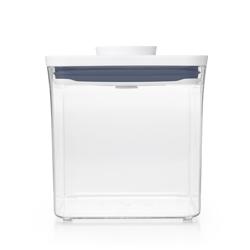
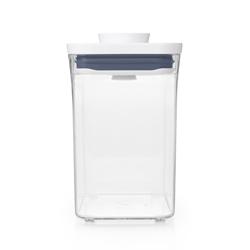
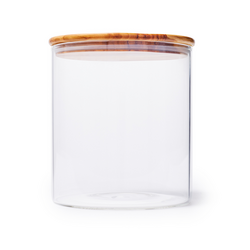
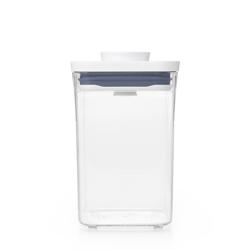
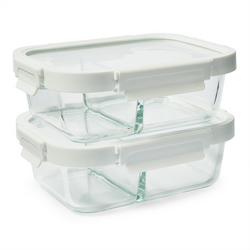
Modern storage jars combine practical food storage with clean, understated design, often pairing clear glass with wood lids or silicone seals to help organize pantry shelves and kitchen counters. Their appeal is as much about everyday ease as appearance: oats are easy to spot before breakfast, the last handful of rice is visible before dinner and baking ingredients have a place between batches. Clear glass puts the contents in view, while ceramic jars offer a more opaque alternative for anyone who prefers a quieter-looking countertop. Glass is nonporous and generally resists lingering food odors, making it useful for ingredients that move in and out of regular rotation. Ceramic brings color, texture and a substantial feel, though its contents usually need a label to stay identifiable. Wood lids add warmth alongside tile, stone and stainless steel, while metal lids can give a grouping a more streamlined look. The lid construction matters as much as the material: a close-fitting cover keeps contents contained, but an airtight seal depends on the design and condition of the closure. A silicone gasket can help limit exposure to air and moisture when it seats properly against the rim. That distinction is worth considering for foods such as crackers, cereal and brown sugar, which can change texture when left exposed. For coffee and other light-sensitive ingredients, an opaque jar or a place inside a cabinet may be more suitable than clear glass on an open shelf. Modern styling does not have to mean a perfectly matched kitchen. A few jars with similar proportions can sit comfortably beside a well-used cutting board or a favorite mixing bowl, bringing order without making the space feel staged. Consistent lid finishes create a coordinated look, while a mix of heights can accommodate different ingredients without turning every shelf into a row of identical containers. The most useful arrangement keeps foods easy to recognize, reach and return to their place.
Capacity and fit help determine whether a storage jar becomes part of the daily routine or simply takes up space. A tall, narrow shape may suit spaghetti or a small stretch of countertop, while a broad jar can make scooping flour easier. For baking staples, the opening needs to accommodate the measuring cup or scoop used most often, with enough room inside to lift it out without spilling ingredients over the rim. A jar that holds a full bag of an ingredient is convenient, but a little extra space makes refilling and handling more comfortable. Package weight and container volume are not interchangeable, since flour, sugar and other dry goods occupy space differently. Checking the stated capacity against the intended contents helps avoid an awkward amount left in the original bag. Shelf depth, cabinet height and the space needed to remove a lid also affect the fit. A jar may slide neatly beneath a shelf yet still need to be pulled forward every time it opens. Wide bases can feel steady on a counter, while square-sided designs may use shelf space efficiently; rounded shapes can be easier to wipe around and handle. Stackable jars are useful where vertical space is limited, provided they are designed to stack securely. Heavy glass containers are generally more manageable on lower shelves, especially when full. For a broader approach to organizing dry ingredients,
Pantry Storage Jars can help bring frequently used foods into a consistent arrangement. Labels are especially helpful when similar-looking ingredients sit together, such as bread flour and all-purpose flour. A discreet date label on the base or back can preserve useful information without interrupting the clean look. Keeping original cooking directions, allergen details and best-by dates is also sensible when transferring food out of its packaging. Jars work best when their size matches how the household actually cooks, whether that means generous space for everyday rice or smaller containers for occasional baking ingredients.
Care and durability deserve the same attention as shape and finish, particularly for jars that will be opened several times a day. Glass allows a quick check of both the contents and the cleanliness of the interior, but it can chip or break if knocked against a hard surface. Ceramic can also chip around the rim, where damage may interfere with the lid’s fit. Smooth edges, a stable base and a lid that is comfortable to grip make a difference during ordinary use, especially with flour on the counter or a measuring spoon in hand. Care requirements vary by material and construction, so the jar, lid and gasket may need different cleaning methods. A dishwasher-safe glass base does not necessarily mean a wood lid can go through the same cycle. Wood generally benefits from gentle hand-washing and prompt drying rather than soaking, while removable seals should only be taken out and cleaned as directed by the manufacturer. Every component needs to dry fully before dry food goes back inside, including the groove where a gasket rests. Emptying and cleaning a jar between refills also prevents older ingredients from remaining at the bottom beneath a fresh supply. These containers are intended for storage unless specifically labeled for other uses; an attractive jar with a tight lid is not automatically suitable for canning, freezing or microwave heating. For households that bake often, prepare packed lunches or keep everyday ingredients within reach, well-chosen jars can simplify familiar tasks without requiring a complete pantry makeover. They can also make a thoughtful housewarming or wedding gift, particularly when the shapes are versatile and the care is straightforward. A manageable grouping leaves room for the recipient’s own habits, whether the jars end up holding lentils in a cabinet, tea beside the kettle or cookies on the counter. The lasting value is in that combination of useful proportions, dependable closures and a design that feels at home wherever food is prepared and shared.