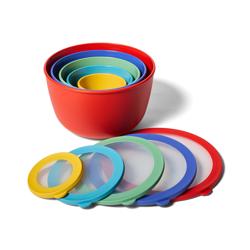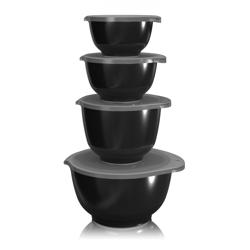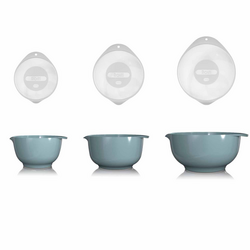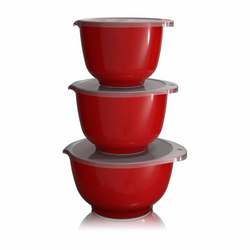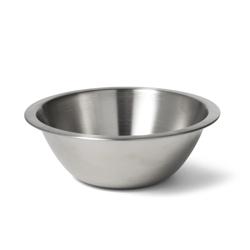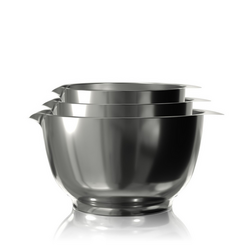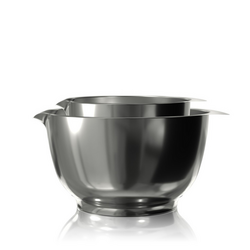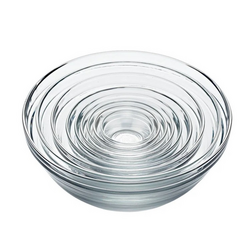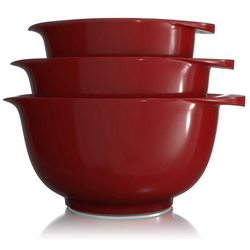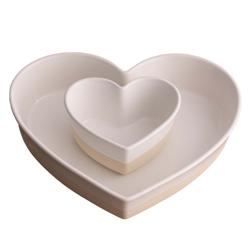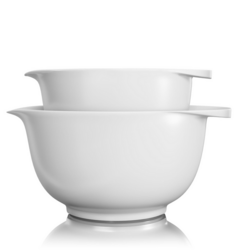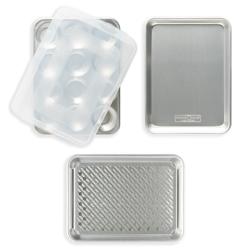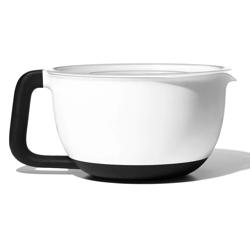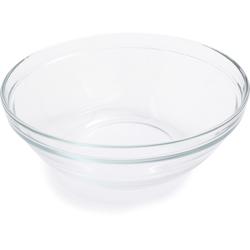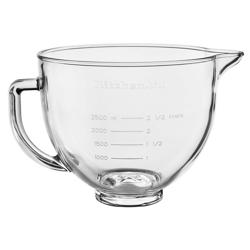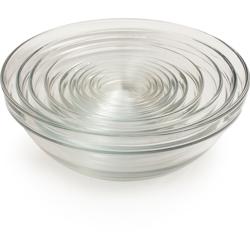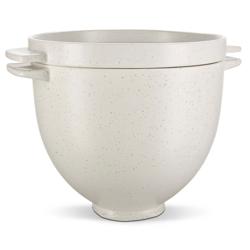
Nesting mixing bowl sets with lids combine food preparation and covered storage in a space-saving design, with smaller bowls fitting inside larger ones when not in use. They give everyday tasks a natural flow: whisk a dressing in a small bowl, toss vegetables in a larger one and cover the remaining portions without transferring everything to separate containers. For kitchens with limited cabinet space, that shared footprint can make a useful difference, leaving more room for baking dishes, colanders and other frequently used tools. A range of bowl capacities also helps keep the workspace manageable. A small bowl holds chopped herbs or a beaten egg close at hand, a medium bowl handles pancake batter and a generous bowl gives salad greens room to tumble without spilling over the edge. The most useful combination depends less on the number of bowls than on how those sizes fit the meals being made. Someone cooking for one may reach for smaller capacities every day, while a household preparing several lunches at once may get more use from medium and large bowls. For bread dough, cake batter or a big batch of slaw, extra room above the ingredients matters as much as the stated capacity. Lids add flexibility between tasks, covering measured ingredients before dinner preparation begins or protecting a bowl of dough as it rests, following the recipe’s directions. They can also help keep refrigerator contents organized, though a mixing bowl’s broad shape may take up more shelf space than a narrow storage container. Nesting describes how the empty bowls fit together; it does not necessarily mean filled, covered bowls are designed to stack securely. Bowl depth, rim width and the way lids store all contribute to how comfortably a set fits into a particular kitchen. The appeal is practical: a coordinated collection that supports mixing, holding and storing food without requiring a separate vessel for every step.
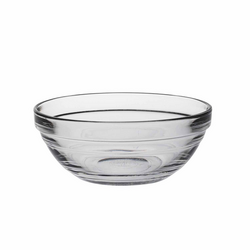
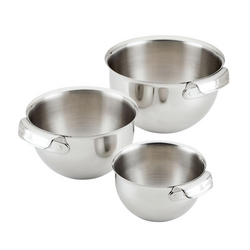
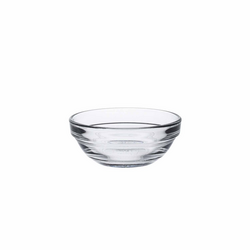
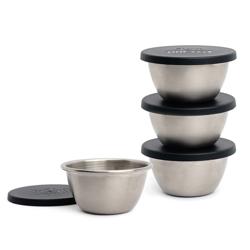
Material shapes how nesting mixing bowls feel in the hand and perform on the counter. Stainless steel is durable and relatively lightweight, making it comfortable for lifting a bowl of shredded vegetables or holding batter steady while scraping it into a pan. It resists breaking from everyday bumps, although surface scratches and dents are possible with use. Stainless steel bowls are not suitable for a conventional microwave, and any oven use depends on the manufacturer’s instructions, especially when a bowl has a nonslip base or other added components. Glass offers a clear view of ingredients, which is helpful for spotting flour along the bottom of a bowl or checking the layers of a prepared salad. Its weight can provide a reassuring feel on the counter, but it also makes larger, filled bowls heavier to lift. Glass can chip or break, and heat resistance varies, so microwave, freezer and oven suitability should never be assumed from appearance alone. Lightweight plastic is easy to carry between the counter and refrigerator and can be convenient for everyday meal preparation. Depending on its composition and use, it may scratch, stain or retain odors over time. Across materials, the shape of the bowl deserves attention, too. A deeper bowl helps contain splashes during whisking, while a wider opening leaves room for folding whipped egg whites into batter or turning vegetables through a dressing. A smooth interior curve lets a flexible spatula reach the bottom more easily. Nonslip bases, when included, can help reduce movement during stirring, though a bowl should still be held securely when vigorous mixing calls for it. For frequent bakers,
baking mixing bowl sets with lids bring the same covered-storage convenience to measured dry ingredients, batters and doughs. Compatibility with electric mixers and metal utensils varies by bowl, so matching the material to the tools used most often helps protect both the surface and the finished food.
Lid fit is central to the usefulness of a covered mixing bowl set. A lid that seats evenly around the rim is more dependable than one that needs to be stretched or forced into place, and an easy-to-grasp tab can make opening a full bowl less awkward. Some lids are intended simply to cover food, while others are specifically designed to form an airtight or leak-resistant seal. Those descriptions are not interchangeable: a covered bowl of fruit in the refrigerator has different demands than a bowl of dressing carried to a gathering. Unless a set is explicitly described as leakproof, keeping filled bowls upright is the sensible approach. A close-fitting lid helps protect food during storage, but it does not replace prompt refrigeration or appropriate food-handling practices. Care requirements may also differ between bowls and lids. A dishwasher-safe bowl can have a lid that requires hand-washing or placement on the top rack, and excessive heat may affect how some lids fit. Gentle cleaning with tools suited to the material helps preserve the interior surface and the rim where the lid makes contact. Removable seals, if present, need cleaning according to the manufacturer’s directions, and every component should dry thoroughly before being nested or put away. Keeping lids together in an accessible spot makes it easier to cover ingredients midway through cooking rather than search a crowded drawer with flour on both hands. For daily use, comfortable lifting, straightforward cleaning and a sensible range of sizes often matter more than extra features. These sets suit new cooks building a kitchen, experienced bakers organizing several components of a recipe and anyone who likes to prepare ingredients ahead of dinner. They also make thoughtful housewarming or wedding gifts when chosen with the recipient’s cabinet space, cooking habits and handling preferences in mind. A person who regularly brings a grain salad to shared meals may value a roomy bowl with a secure lid, while someone who bakes in a compact kitchen may appreciate smaller bowls that tuck neatly inside one another. That balance of useful capacities, manageable weight and compact storage gives nesting mixing bowl sets with lids a place in the everyday rhythm of cooking.