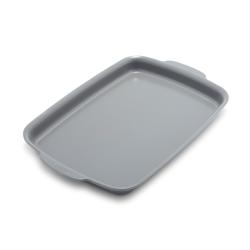
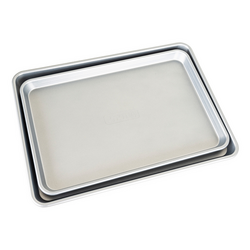
Nonstick ceramic bakeware combines a ceramic-based coating with a metal body to help baked goods release more easily and simplify cleanup. Unlike solid ceramic baking dishes, ceramic-coated metal bakeware gets much of its structure and heat performance from the material beneath the coating, which may be aluminum, aluminized steel or carbon steel. Aluminum conducts heat readily, while steel contributes strength; the thickness and construction of a pan also affect how it performs. The ceramic-based surface provides a smooth layer between the metal and your food, making this bakeware a practical choice for everything from tender banana bread to chewy chocolate chip cookies. For shoppers seeking PFAS-free or PTFE-free bakeware, explicit manufacturer information about the coating is more useful than the word “ceramic” alone. Coating composition, oven temperature limits and care requirements vary, so those details deserve a place alongside shape and size when comparing options. The appeal is straightforward: less stubborn sticking when turning out a cake, fewer crumbs left behind in a loaf pan and less scrubbing after dinner. Nonstick does not mean every recipe can skip preparation, however. A light coating of butter or oil, flouring or a parchment liner may still be appropriate, depending on the recipe and the manufacturer’s directions. A sticky caramel topping behaves differently from a butter-rich cookie dough, and a delicate cake needs more release support than roasted vegetables. Ceramic nonstick bakeware suits bakers who value that extra help without wanting to change their favorite recipes. It can also make everyday savory cooking more convenient, whether dinner involves baked meatballs, a vegetable tart or a tray of roasted potatoes. The coating helps with release, but it does not replace good technique: appropriate baking temperatures, enough room around the food and the right pan dimensions still matter. Its greatest benefit is often the small improvement you notice repeatedly, such as lifting out a slice cleanly or washing away baked-on crumbs with a soft sponge rather than a long soak and vigorous scrubbing.
Choosing ceramic nonstick bakeware starts with what you actually like to make. Broad, shallow pans give cookies and vegetables room to spread, while deeper shapes contain cake batter, bread dough and layered dishes. Straight sides can help create neat cake layers, and gently sloped sides may make certain baked goods easier to remove. For loaf recipes, both dimensions and capacity matter: pans that look similar can hold different amounts of batter, affecting the height of the loaf and how quickly the center bakes. Matching the pan to the recipe helps prevent overflow, overly thin layers or edges that finish well before the middle. Exterior measurements matter, too, especially when handles or extended rims add width beyond the baking area. A comfortable fit in your oven should leave room for air to circulate rather than crowding a pan against the walls. For smaller ovens, confirm the usable interior space and the manufacturer’s appliance compatibility information instead of assuming that a familiar pan size will fit. Think about handling as well as baking. A substantial rim or accessible handle area gives oven mitts a more secure place to grip, particularly when carrying a pan filled with batter or hot food. Heavier construction may feel reassuring, but it also adds weight when the pan is full. Color and finish can influence browning, so checking food a little early is helpful when switching from a familiar pan to a different surface. A coordinated collection can suit someone building a baking setup, while a smaller selection of frequently used shapes may be more practical for a compact kitchen. For a housewarming or wedding gift, familiar baking shapes are useful without requiring a new cooking routine. Someone who makes sandwich bread every week has different needs from a baker who enjoys decorating layer cakes, and the most thoughtful choice reflects those habits. Storage deserves equal attention: pieces that nest neatly can save space, provided their coated surfaces are protected from rubbing against one another.
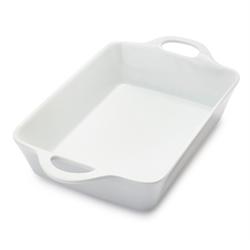
Caring for ceramic nonstick bakeware is largely about protecting the surface from abrasion and avoiding abrupt temperature changes. Hand-washing with mild dish soap, warm water and a soft sponge is generally the gentlest approach, even when a manufacturer identifies a pan as dishwasher safe. Let bakeware cool before washing, and avoid placing a hot pan under cold running water. Sudden temperature changes can stress the construction and contribute to warping. For stuck-on residue, a soak after the pan has cooled is preferable to scraping with a sharp tool. Silicone, wood or other manufacturer-approved utensils help preserve the coating; cutting brownies or slicing a loaf directly in the pan can leave scratches that interfere with its performance. Transferring baked goods to a board before portioning also gives you more room to work. Oven-safe temperature limits are specific to each design, and oven compatibility does not automatically mean a pan is suitable for broiling, stovetop use or an open flame. Cooking sprays also deserve a check against the care instructions, since some manufacturers advise against them because residue can build up on the surface. Over time, ceramic nonstick performance can change with use, so gentle handling and thorough cleaning are better expectations than a promise of permanent release. Drying pans completely before storage and placing a soft separator between nested pieces can help prevent unnecessary wear. Appearance is another consideration, particularly if you enjoy bringing a baking dish directly to the table. For a lighter, coordinated look,
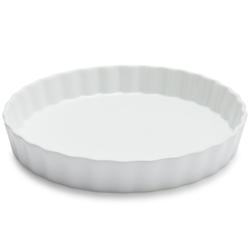
White Ceramic Bakeware offers a related direction to explore, though a white finish alone does not indicate a nonstick coating. Solid ceramic and ceramic-coated metal serve different purposes, and checking the material keeps the choice focused on how you cook. Whether the goal is easier cake release, simpler cleanup or dependable pans for everyday baking, the best fit balances useful shapes, comfortable handling and care habits that work in your kitchen.