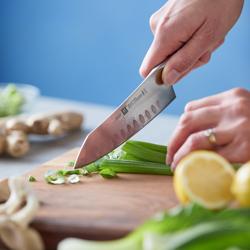
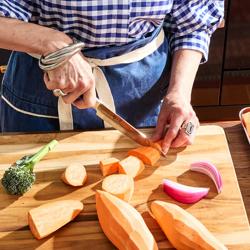
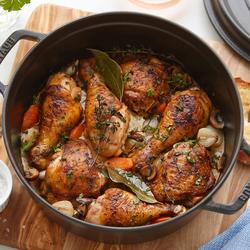
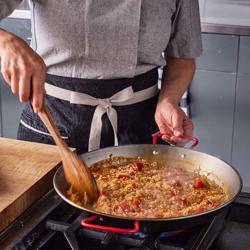
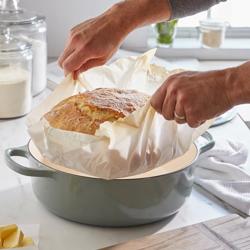
One-hour cooking workshops make room for learning without turning it into an all-day commitment. With a focused subject and a clear time frame, these cooking classes suit people who want to explore a technique, get more comfortable with a familiar task, or spend an hour doing something outside their usual routine. A shorter session can be especially appealing when a full cooking course feels like more than the calendar allows. The focus might be a particular preparation method, a component of a meal, or a skill that carries over into many different dishes. Rather than trying to cover an entire cuisine at once, a workshop can give one subject the attention it deserves. That narrower scope creates space to notice details that are easy to miss at home: the sound of food beginning to sizzle, the difference between a rough chop and an even cut, or the way a sauce changes as its ingredients come together. Beginners can find an approachable place to start, while experienced home cooks may appreciate a chance to revisit a technique they have been doing by habit. Someone who cooks most nights might want help getting more consistent results; someone who rarely cooks might simply want a manageable first step. Both have a place in a focused learning experience, provided the class description matches their comfort level and interests. One-hour cooking classes also appeal to curious eaters who enjoy understanding how a dish takes shape, not just tasting the finished result. The benefit is often a small but useful shift in understanding: recognizing what properly softened vegetables look like, knowing why preparation order matters, or seeing how a few deliberate choices affect texture. An hour does not need to cover everything to make the next meal feel more approachable. A single technique, understood clearly and practiced again at home, can become part of an everyday cooking routine.
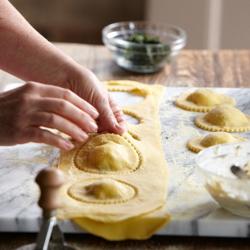
The experience of a cooking workshop comes from connecting an explanation with something that can be seen, smelled, or felt. Depending on the session, instruction may center on preparing ingredients, managing heat, building flavor, working with dough, or finishing a dish with more care. These subjects can sound straightforward until the small decisions come into view. Evenly sized pieces tend to cook at a similar pace; a crowded pan behaves differently from one with room between ingredients; a mixture may need time to rest before its texture makes sense. Seeing those differences during a class can help explain why the same recipe sometimes turns out beautifully and sometimes feels slightly off. A workshop may also provide a chance to hear the reasoning behind a technique rather than simply follow a sequence of steps. That context is useful for cooks who want to become less dependent on exact instructions and more attentive to what is happening in front of them. For example, understanding the intended consistency of a sauce can be more helpful than watching the clock alone. Learning what a dough should feel like can make an unfamiliar preparation less intimidating. The particular skills covered will depend on the workshop, and a focused class is most rewarding when its subject genuinely sparks interest. Someone who enjoys baking may be drawn to precision and texture, while someone looking to improve everyday dinners may prefer a session built around preparation or stovetop technique. Neither approach requires an ambitious goal. There is satisfaction in making one part of cooking feel easier, whether that means approaching a cutting board with more confidence or understanding how to bring separate components together at the right moment. The workshop format keeps that learning contained and purposeful, with a subject that can be revisited in a home kitchen. Repetition afterward is what helps a new skill become familiar, and a clear memory of how something looked or felt gives that practice a useful starting point.
One-hour cooking workshops can also be a shared experience for friends, couples, or family members who enjoy spending time around food. A birthday outing, a casual get-together, or a date can feel more personal when there is something to learn and talk about along the way. For a person who likes cooking but rarely sets aside time for a class, the experience can make a thoughtful gift, especially when the topic reflects a genuine interest rather than an assumed skill level. Attending alone can be just as appealing: the subject provides a reason to be there, and the shorter format allows a newcomer to explore the experience without committing to a longer course. Comfort matters as much as curiosity, so the class details are worth considering alongside the theme. The description can clarify the intended experience level, whether learning centers on active preparation or demonstration, and any participation requirements. Anyone with a food allergy or dietary restriction should review the relevant information and confirm what can be accommodated before booking. For those especially interested in practicing techniques themselves,
Hands On Cooking Classes provide another way to explore learning through direct participation. Whatever the occasion, a useful workshop leaves room for realistic expectations. The goal need not be a flawless dish or a complete change in cooking habits. It might be understanding one unfamiliar step, discovering a preparation worth repeating, or enjoying an hour spent paying closer attention to food. That experience can carry into ordinary moments afterward: making dinner after a busy day, preparing something to share, or returning to a recipe that once seemed complicated. A short class can offer a fresh point of reference for those moments, turning a technique from something read on a page into something recognized in the kitchen. That practical connection is what gives a focused cooking workshop meaning beyond the hour itself.