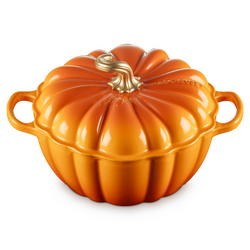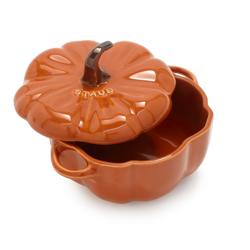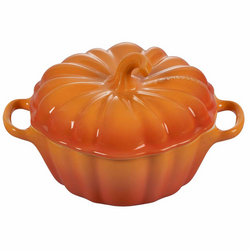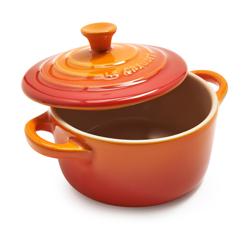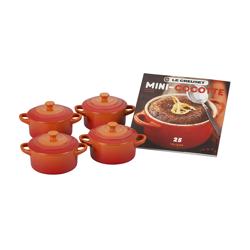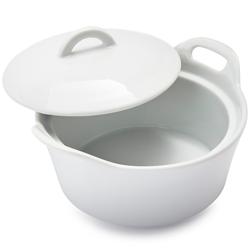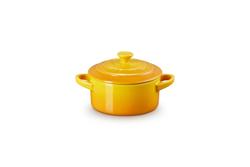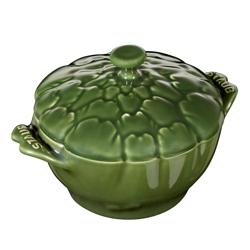
An orange colored cocotte brings the steady performance of a covered cooking pot together with the warmth of a serving dish. Traditionally made from enameled cast iron, a cocotte has thick walls and a heavy lid that hold heat evenly, making it well suited to slow cooking, braising and simmering. The tight-fitting lid helps retain moisture as tough cuts of meat become tender and vegetables soften into a rich, flavorful sauce. Orange finishes range from golden citrus shades to deep flame-inspired tones, often with subtle color variation that gives the pot a handcrafted look. That vivid finish does more than brighten a kitchen shelf. It creates an inviting centerpiece when the cocotte moves from the oven to the table, where it can keep food warm while everyone serves themselves. Use a larger size for soups, stews, beans, short ribs or a roast shared with family and friends. A medium cocotte is practical for risotto, baked pasta, chicken thighs and hearty grain dishes, while smaller cocottes are useful for individual portions, side dishes, dips, pot pies and desserts. Stoneware versions offer a lighter alternative for baking and presentation, especially when a recipe goes directly from the refrigerator or freezer to the oven within the manufacturer’s stated temperature guidelines. Since construction varies, always check the care instructions for oven temperature limits, cooktop compatibility and whether the vessel is dishwasher safe.
Choosing the right orange cocotte starts with thinking about how many people you usually cook for and where the pot will be used. A compact vessel is convenient for one or two servings and makes a thoughtful gift for someone setting up a first kitchen, a home cook who enjoys dinner parties or anyone who appreciates beautifully presented individual portions. It can hold bubbling French onion soup, baked eggs, creamy macaroni and cheese or a warm fruit crumble that arrives at the table still fragrant from the oven. A larger cocotte is better for family-style meals and batch cooking, with enough room for a stew to simmer slowly or a loaf of crusty bread to bake beneath its lid. Enameled cast iron is especially versatile because it can typically be used on gas, electric and induction cooktops as well as in the oven, provided the specific piece is rated for those applications. Its excellent heat retention also means that food may continue cooking after the burner is turned off, so gentle heat and patience are usually better than high temperatures. Stoneware is well suited to casseroles, gratins, cobblers and serving, but it should be handled carefully to avoid thermal shock. Do not move a hot stoneware cocotte onto a cold or wet surface unless the care instructions specifically allow it, and use appropriate protection when lifting any heated vessel. Consider the lid design, interior color, handles and overall weight, too. A light interior can make it easier to monitor browning and sauce color, generous handles make a heavy pot easier to move and a lid with a secure fit helps keep braises moist.
Orange colored cocottes are particularly appealing as gifts because they combine everyday usefulness with a distinctive look that feels personal. The color suits a range of kitchens, from warm wood-filled spaces to clean, modern rooms, and it adds a cheerful accent without requiring a full set of matching cookware. It is a natural choice for a wedding, housewarming, anniversary or cooking-school graduate, especially when paired with a favorite soup recipe, a loaf of bread or a few sturdy wooden utensils. For someone who already owns a large Dutch oven, a smaller cocotte can expand the ways they serve meals by offering individual portions and side dishes with minimal cleanup. In the kitchen, use an orange cocotte for a slow Sunday braise during cooler months, then rely on it for baked vegetables, tomato-rich pasta or a fruit dessert as the weather warms. The same pot can move from stovetop to oven to table, reducing the need to transfer food between dishes and helping preserve the concentrated flavor created during cooking. To keep the finish looking its best, allow cast iron to cool before washing, avoid sudden temperature changes and use nonabrasive tools that will not scratch the enamel. Stubborn residue often loosens with warm water and a brief soak, while a soft sponge is generally sufficient for routine cleanup. When stored where its color can be seen, an orange cocotte becomes part of the room’s character rather than something tucked away between uses. For a lighter, equally striking presentation, explore a
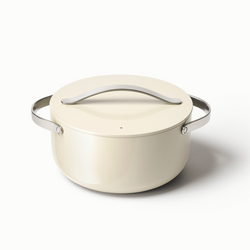
White Cocotte for a neutral look that complements colorful dishes and serves as a versatile addition to the table.