Patio tablecloths cover outdoor dining tables with a practical, decorative layer that helps protect the surface from everyday spills and makes the setting feel ready for a meal. The best fit for your space depends on the table’s shape and size, how often you eat outside and how much cleanup you want to do afterward. Common materials include polyester, vinyl, acrylic and coated fabrics, with water resistance, stain resistance and resistance to fading varying by construction and finish. Polyester can offer a soft drape and straightforward laundering, making it a useful choice for a table that hosts everything from breakfast to a shared dinner. It is not automatically waterproof, though; a water-repellent treatment may help liquid bead on the surface, while untreated fabric can absorb spills. Vinyl provides a wipe-clean surface that works well for casual meals involving tomato sauce, sticky fruit or a tipped glass of lemonade. A coated surface can block liquid, but seams, edges and umbrella openings may still let moisture reach the table underneath. Acrylic fabrics are another option for outdoor dining, particularly when their specifications include colorfastness or resistance to sunlight. Oilcloth-style coverings offer a smooth, easy-to-wipe finish, although the term can describe different coated constructions, so checking the material details matters. Cotton and linen bring familiar texture and an easy drape to a patio setting, but unless treated for outdoor use, they are better brought out for meals and taken inside afterward. Water-resistant, waterproof and stain-resistant are different claims, and none should be assumed from the fabric name alone. For a household that eats outdoors frequently, the most useful patio tablecloth is often the one that fits comfortably into the cleanup routine. A washable fabric may suit regular family dinners, while a wipe-clean covering can simplify a craft session followed by lunch. Either way, a tablecloth is a surface covering, not a protective storage cover, and should not be expected to shield patio furniture through prolonged exposure.
A well-fitting outdoor tablecloth leaves room for guests to sit comfortably without excess fabric gathering in their laps or catching beneath chairs. Start with the actual tabletop measurements, including any extension leaves you plan to use, rather than relying on the table’s seating capacity. For rectangular and oval tables, measure both length and width; for round tables, measure the diameter across the center. The drop is the amount of fabric that hangs beyond each edge. To calculate the tablecloth size, add twice the desired drop to each tabletop dimension, or to the diameter of a round table. For example, a rectangular table measuring 36 inches wide and 60 inches long needs a tablecloth measuring 48 inches wide and 72 inches long for a 6-inch drop on every side. A drop of about 6 to 10 inches is a practical starting point for casual patio dining, though chair arms, benches and closely spaced seating may call for something shorter. Matching the cloth’s shape to the tabletop generally creates the most even overhang. A square cloth on a round table gives a different effect, with longer corners that deserve a quick check against chair placement. Tables with a center umbrella require another consideration: an umbrella opening that aligns with the pole. A slit or zippered opening can make putting on and removing the cloth easier without lifting out the umbrella each time. Where breezes are a concern, a shorter drop, a fitted edge or purpose-made tablecloth clips can help keep the covering in place. Check that clips suit the thickness and profile of the tabletop and will not damage its finish. A heavy serving bowl is not a reliable substitute for securing loose fabric, especially near children or a busy walkway. Think about the meal’s layout, too. The cloth should accommodate shared platters, water glasses and elbows without interfering with access to seats. On a compact balcony table, a neat fit often matters more than a generous drape; on a larger dining table, an even border can give a relaxed meal a more finished appearance.
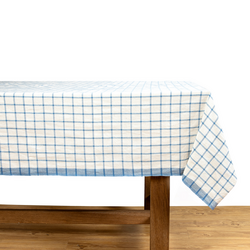
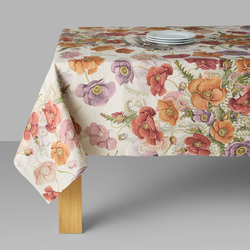
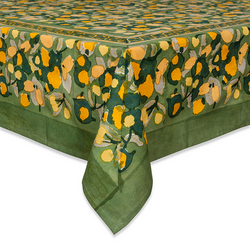
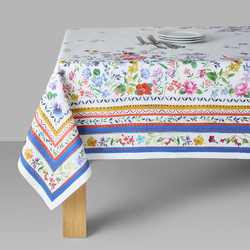
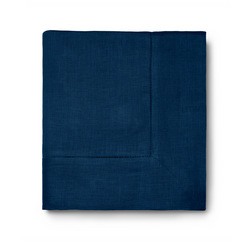
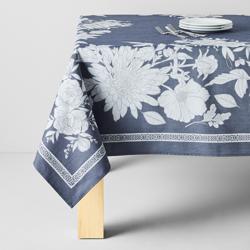
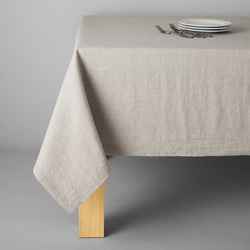
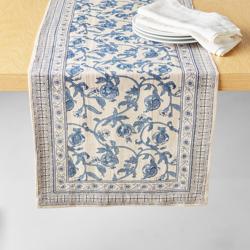
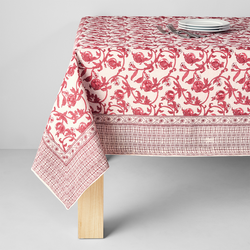
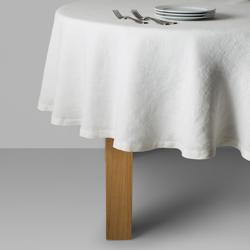
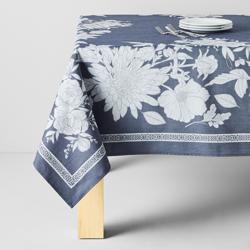
Color, pattern and texture help a patio tablecloth connect the dining area with the rest of the space. A quiet solid can let patterned plates or a bowl of citrus take the focus, while stripes, checks and botanical prints add detail to a simple table setting. Midtone colors and busier patterns may make small marks less noticeable between cleanups, but they do not replace stain-resistant construction or prompt care. Consider how the fabric looks beside the furniture as well as the dinnerware: a textured weave can soften the appearance of a metal table, while a smooth covering creates a clear contrast with woven chairs. For a setting centered on summer entertaining,
Summer Outdoor Tablecloths offer a related direction for planning the table’s look. Practical care is what keeps any patio tablecloth ready for its next meal. Blot spills promptly rather than rubbing them deeper into a woven fabric, and follow the care label before using a stain treatment, bleach or a washing machine. Wipe-clean materials usually benefit from a soft cloth and a mild cleaning solution, but their instructions should determine which cleaners are appropriate. Machine-washable fabrics may have specific water-temperature and drying requirements, and coated materials can be damaged by ironing or high heat. Lift the cloth after meals to check for trapped moisture, particularly beneath less breathable coverings, and let both the tabletop and tablecloth dry completely before storage. Bringing the cloth indoors between uses can reduce unnecessary exposure to sunlight, moisture and debris; even fabrics labeled fade-resistant are not immune to wear. Tablecloths also do not replace trivets beneath hot cookware or cutting boards during food preparation. For frequent hosts, having a second cloth makes it easier to reset the table while one is being cleaned. As a housewarming or host gift, a patio tablecloth is most thoughtful when the recipient’s table dimensions and care preferences are known. A comfortable fit, an appealing texture and manageable upkeep make it something they can use for ordinary meals as readily as a table full of guests.