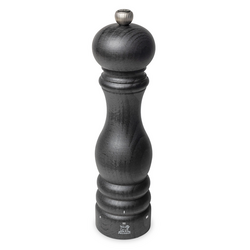
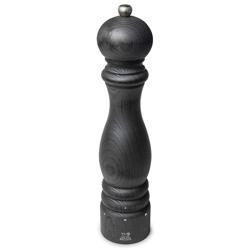
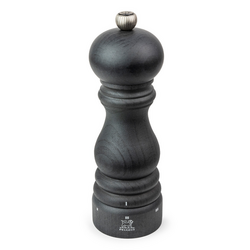
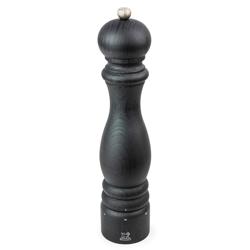
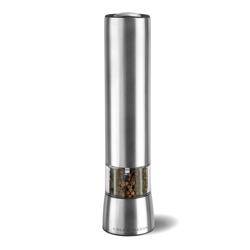
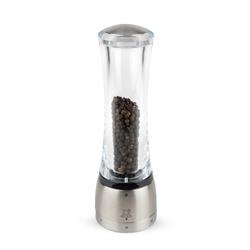
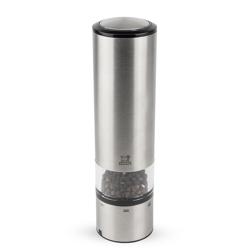
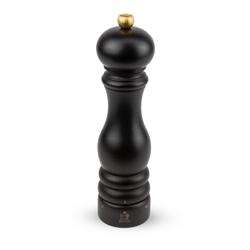
A graphite pepper mill brings freshly ground pepper to the stove or table in a gray finish that pairs easily with everyday cookware and dinnerware. The color can look soft next to a wood cutting board or crisp beside white plates and stainless steel flatware. What earns the mill a spot on the counter, though, is the difference a few turns can make to a dish. Crack whole peppercorns just before serving and their aroma comes through as soon as they hit a bowl of tomato soup or a slice of buttered toast. Grind size changes how the pepper tastes in each bite, too. A fine grind disperses through scrambled eggs or a creamy dressing without drawing attention to itself, while a coarse grind gives roast potatoes or a wedge salad little bursts of peppery heat. A grind somewhere in between works well when you want the pepper to show up without taking over, as in a bowl of buttered noodles or a skillet of sautéed mushrooms. An adjustable pepper mill is useful if you like that range. Some mills have marked settings that make it easy to return to a favorite grind after changing it for a recipe. Others let you make smaller adjustments as you turn a knob. Either way, think about where you tend to add pepper. A mill that lives beside the stove might spend most of its time on a fine or medium setting for seasoning as you cook. One that makes regular trips to the table might see more use at a coarser setting, where the texture and aroma of the cracked pepper are part of the finishing touch.
With a tool you pick up several times while making dinner, little differences in size and shape matter. A compact mill fits more easily on a crowded table or a shallow shelf, while a taller body can offer more room for your hands when you’re grinding enough pepper for a big salad. Height alone doesn’t tell you how much the mill holds, so consider the fill capacity separately if you cook with pepper often and would rather refill less frequently. A shape that gives one hand a steady hold while the other turns the top is particularly helpful when you’re moving between the stove and prep board. Graphite describes the finish, not what the mill is made of. A wood body can feel warm in the hand and may show some grain beneath the color. Its exterior is separate from the grinding mechanism inside, where a material such as hardened steel is chosen to withstand repeated use with whole peppercorns. Keeping that mechanism dry helps it turn smoothly. If you’re seasoning a vigorously simmering pot, grind the pepper into a small bowl or onto a spoon instead of holding the mill directly above the steam. That also makes it easier to see how much you’re adding. Use the kind of dry peppercorns recommended for the mill and keep salt in a separate container unless the mechanism is designed for it. For routine care, a soft, dry cloth can clear away pepper dust and fingerprints. Check the care directions before using water on the finish, and avoid soaking the mill or putting it in the dishwasher. A dry spot away from splashes is a better home than the narrow stretch of counter beside the sink.
At the table, a graphite pepper mill can sit beside a salt cellar on a wooden tray or next to a simple shaker without everything having to match. The gray finish works with colorful glazed dishes as readily as it does with plain white porcelain, so the same mill can move from a quick breakfast to a dinner with friends. It’s especially handy when people like different amounts of pepper. A pot of beans can stay gently seasoned, and anyone who wants a sharper bite can grind more over their own bowl. The same goes for pasta served from a platter or thick slices of tomato passed around the table. If you’re deciding how to set out both seasonings, browse
Peugeot Salt And Pepper Shakers for other ways to keep salt and pepper within reach. A shaker makes sense for a quick sprinkle of already ground seasoning, while a mill gives you the aroma and texture of pepper cracked just before it’s eaten. That difference also makes a mill a useful gift for someone who is setting up a kitchen, enjoys hosting or has started paying more attention to seasoning from scratch. Pair it with whole black peppercorns suited to the mechanism and the recipient can put it to work with the next meal, whether that’s fried eggs or a roast chicken. For a cook whose counter is already full, a smaller mill can be just as thoughtful as a taller one. For someone who likes to bring dinner to the table in serving bowls and let everyone help themselves, a mill that’s comfortable to pass and easy to grip will likely see more use than one chosen for its looks alone.