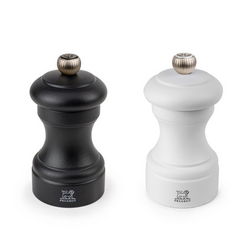
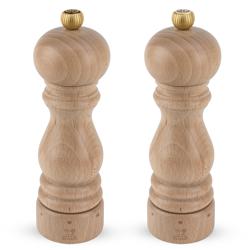
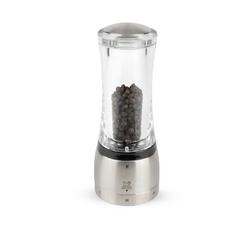
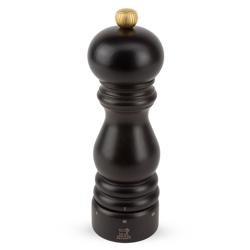
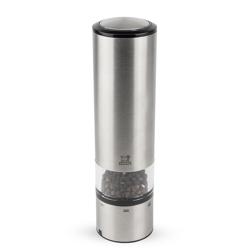
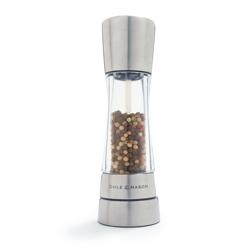
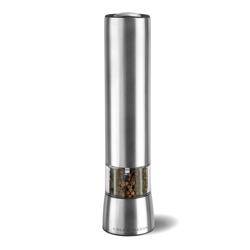
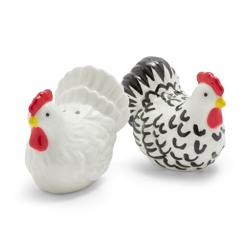
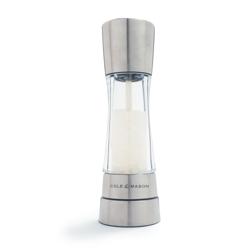
Salt and pepper shakers hold ground seasonings for easy dispensing, while salt and pepper mills grind salt crystals or whole peppercorns as needed. Both belong comfortably at the table and beside the prep area, but they serve slightly different habits. A shaker makes a familiar finishing touch for eggs, sliced tomatoes or a bowl of popcorn. A mill gives the cook more control over texture, from finely ground pepper that blends into a dressing to coarser pieces that add bite to roasted potatoes. Freshly grinding pepper also releases its aromatic oils, bringing out the fragrance that makes a simple plate of pasta feel complete. For households that cook often, the grinding mechanism deserves as much attention as the shape or finish. Pepper mechanisms are designed to break down dried peppercorns, while salt mechanisms need materials that resist corrosion from salt. The two are not automatically interchangeable, even when their exteriors look alike. A matching pair can keep the table coordinated, but clear markings or subtly different finishes make it easier to reach for the right seasoning. Adjustable mills offer another useful distinction: some have marked grind settings, while others adjust through a knob or another control. The best fit depends on how the pieces will be used. A compact shaker or mill is easy to pass around a crowded table, while a larger mill may be more comfortable for someone seasoning several dishes during meal preparation. Capacity matters, too, though a taller body does not always mean a larger chamber. Consider the space inside, the ease of refilling and whether the shape feels secure in the hand. These details make a noticeable difference when seasoning with damp fingers, passing pepper across the table or adding a final pinch of salt just before serving. For a household that prefers one familiar texture, a straightforward shaker can be all that is needed.
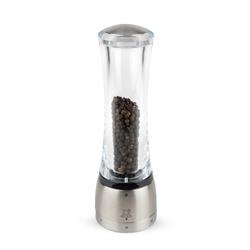
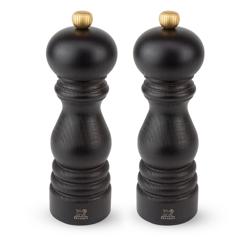
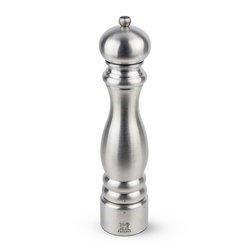
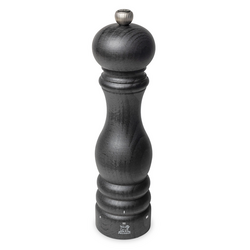
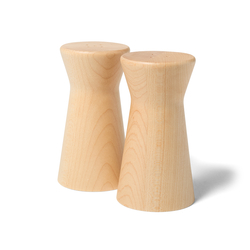
Materials give salt and pepper pieces much of their character, but they also affect weight, handling and care. Wood brings warmth to a table and can feel comfortable in the hand; its finish should be protected from soaking and prolonged dampness. Metal offers a different look, from softly brushed surfaces to brighter polished finishes, with care requirements that depend on the material and coating. Clear bodies make it easy to tell salt from pepper and see when a refill is needed. Glass has a reassuring weight, while acrylic can be lighter to lift and pass. Neither appearance nor heft alone tells the whole story about durability. A well-fitted top, a stable base and controls that turn comfortably are practical details worth considering alongside the exterior. The finish should also suit the way the kitchen is used. A piece that lives beside the stove will be handled differently from one brought out only for meals, and decorative surfaces may need gentler cleaning than their sturdy appearance suggests. For a table centered on a
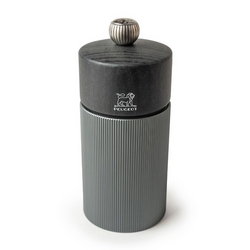
Peugeot Graphite Pepper Mill, complementary seasoning pieces can coordinate through shape, scale or finish without matching in every detail. Dark finishes sit comfortably with white dinnerware, natural wood and textured linens, while a mix of materials can make an everyday setting feel less formal. Proportion helps keep that arrangement practical: tall mills make a visual statement but should still be easy to reach around and pass. Smaller pieces leave more room for serving bowls, glasses and shared plates. Storage deserves the same attention as presentation. Check that a mill fits beneath a shelf or inside its intended cabinet, and leave enough room to grasp it without knocking into nearby bottles. A small tray can give seasoning tools a defined place while catching stray grains between uses. The result is a setup that looks considered without making a simple meal feel fussy.
Everyday care helps seasoning tools remain pleasant to use and supports the life of their working parts. Follow the instructions for each piece rather than assuming that a washable exterior means the entire mill can go in the dishwasher. Many mills need only a gentle wipe outside and careful attention to keeping moisture away from the grinding mechanism. Shakers may have removable components that can be washed, but they should be completely dry before refilling so salt and ground pepper do not clump. Filling a mill with the recommended ingredients matters just as much. Salt crystals vary in size and moisture content, and some specialty peppercorns or seasoning blends may not suit every mechanism. Using the specified filling helps avoid jams and unnecessary wear. Steam is another consideration in a busy kitchen: grinding directly over a simmering pot can draw moisture into the mill, so seasoning into a small dish first is often a better habit. For adjustable mills, the grind can then suit the dish rather than staying at one setting out of convenience. Fine pepper distributes readily through a creamy sauce, while a coarser grind gives a more noticeable texture to grilled vegetables or a steak. Salt and pepper pieces also make thoughtful gifts because they combine daily usefulness with a visible place in the home. A coordinated pair suits a wedding or housewarming, while an easy-to-handle mill can be a welcome choice for someone who enjoys cooking for friends. Consider the recipient’s routines: frequent hosts may appreciate table-friendly proportions, while an enthusiastic home cook may care most about comfortable handling and dependable adjustment. Clear identification is especially helpful in shared kitchens, where several people may season the same meal. Whether chosen for a first apartment, a family dining table or a well-used prep space, these are tools whose value comes through in small, repeated moments: seasoning a sandwich, finishing a salad or passing the pepper to someone across the table.