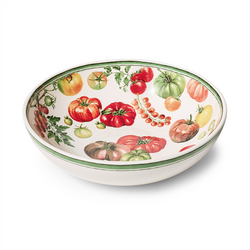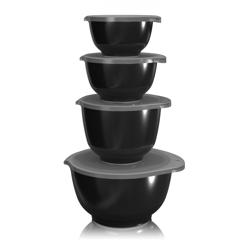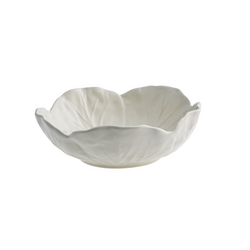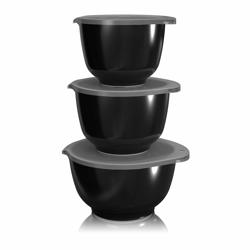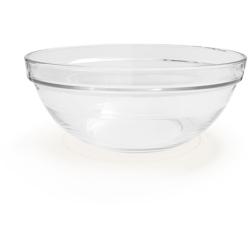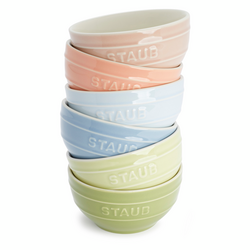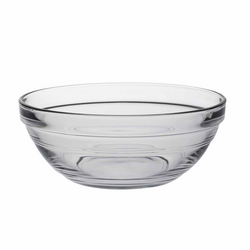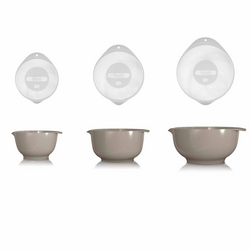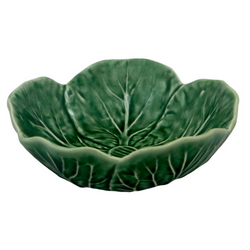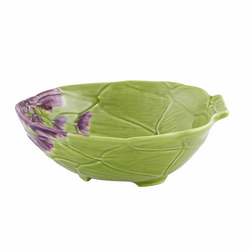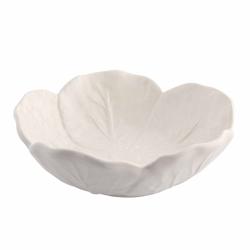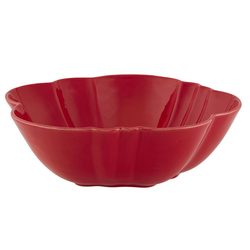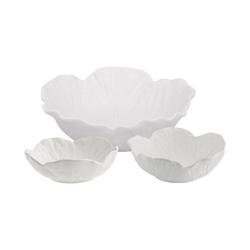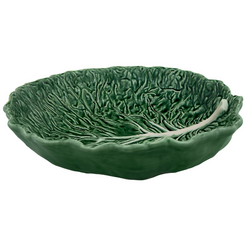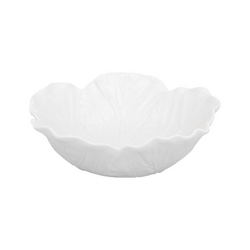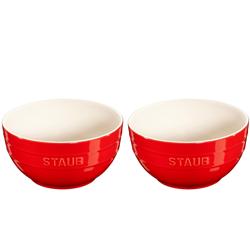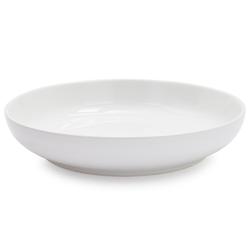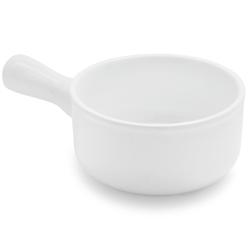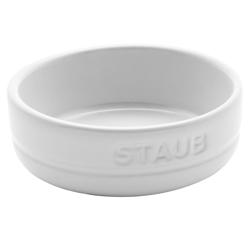
Picnic bowls are portable dishes for serving and enjoying food outdoors, from individual portions of fruit and grain salad to generous sides shared around a picnic table. The best picnic bowls for your plans balance manageable weight, durability and enough capacity for the food you like to bring. Lightweight, reusable materials make sense for meals that travel, while shape and size help determine how comfortably a bowl fits into a basket, cooler or tote. Think of the familiar moment when everyone has found a spot on the blanket and lunch starts making its way around: a bowl with comfortable edges is easier to pass, a stable base helps prevent tipping and sufficient depth keeps dressing from spilling over the rim. Individual bowls are particularly useful when lunch includes several textures, such as roasted vegetables over grains or crisp greens topped with beans and crumbled cheese. They hold those ingredients together more comfortably than a flat plate, especially when someone is eating with the dish in their lap. Larger picnic serving bowls give pasta salads, fresh fruit and slaws room to be tossed and shared without crowding the rim. For leafy greens and other dishes that benefit from a broad serving surface,
Salad Bowls offer another useful category to consider alongside portable tableware. Choose capacity according to the finished dish rather than the amount of empty space in your bag; delicate greens need more room than a dense lentil salad that serves the same number of people. Leaving a little room at the top also makes stirring and serving easier. During the cooler months, picnic bowls remain useful for covered-porch lunches, outdoor gatherings and a meal packed for a scenic drive. Their appeal is practical rather than seasonal: they help bring the comfort of a shared table wherever there is a good place to sit.
Material is one of the most useful distinctions when comparing bowls for outdoor dining, but no single option suits every outing. Melamine is lightweight and resistant to breakage, making it a practical choice for carrying several place settings, though it should not go in the microwave. Check the manufacturer’s guidance for dishwasher placement and food-temperature limits rather than assuming every melamine bowl has the same care requirements. Food-grade silicone can offer flexibility and low weight, and collapsible designs reduce the space needed for the trip home. With a flexible bowl, pay attention to how firmly the base sits and how easily you can hold it when full. Enamel-coated metal brings a familiar camp-table look and is generally lighter than ceramic, but its coating can chip if dropped or knocked against hard surfaces. Metal also conducts heat, so a bowl holding hot food may be uncomfortable to handle. Stoneware and porcelain have a pleasing weight for a backyard table or a picnic close to the car, although their heft and potential for breakage make them less convenient for a long walk. Stainless steel is another durable option, with the same consideration about heat transfer and no microwave use. For bowls described as bamboo or plant-fiber blends, look closely at the full material description and care instructions; a plant-derived ingredient does not by itself establish that a finished bowl is compostable, microwave safe or suitable for hot food. Across materials, distinguish between break-resistant and unbreakable, and between a dishwasher-safe bowl and one that needs hand-washing. A smooth interior and uncomplicated rim can make cleanup easier after a dressing-heavy salad or a sticky fruit dessert. Reusable picnic bowls are most useful when their upkeep fits your routine, whether that means washing everything by hand at home or choosing pieces specifically labeled for the dishwasher. Color and finish matter, too: a simple neutral can work with your everyday dishes, while a patterned bowl can bring warmth to an otherwise plain outdoor setting.
Beyond material, consider how your picnic bowls will move from the kitchen to the meal and back again. Nesting shapes save cupboard and basket space, though tightly stacked bowls may need a soft layer between them to prevent scratching or chipping. A wide opening makes it easier to reach the last spoonful of potato salad, while a deeper profile can help contain loose ingredients during serving. Neither shape replaces a secure cover during transport. If a bowl includes a lid, check whether the description promises leak resistance or a leakproof seal; a cover intended to keep food protected on the table may not hold back dressing when tipped inside a bag. Bowls without fitted lids can still serve well outdoors when you transport food in a separate closed container and transfer it at your destination. That approach is especially handy for leafy salads, which stay crisper when dressing travels separately. Ordinary picnic bowls do not provide reliable temperature control, so pack perishable foods with adequate cold sources and use appropriate insulated containers for foods that need to stay hot. Before buying, consider the utensils you will use, too. A generous serving bowl needs enough room for tongs or a serving spoon without the handle constantly sliding into the food. For individual portions, a bowl that feels comfortable in one hand is often more useful than an oversized dish, particularly for children or guests eating away from a table. Families may appreciate a consistent set that stacks neatly, while frequent hosts may prefer a combination of personal bowls and larger serving sizes. Picnic bowls can also make a thoughtful gift for someone who enjoys camping, brings a homemade side to every gathering or likes turning a simple lunch into time outdoors. Favor the recipient’s actual habits over an imagined occasion: compact storage matters in a small kitchen, and easy care matters when the dishes come home with a basket full of linens and leftovers. Well-chosen bowls earn their space beyond the picnic basket, serving snacks on the patio, holding lunch at home and making the next shared meal easier to carry and enjoy.