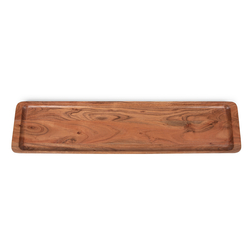
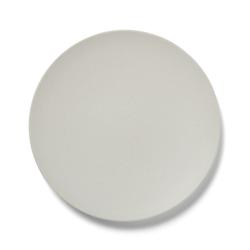
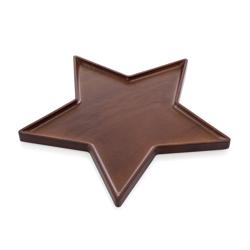
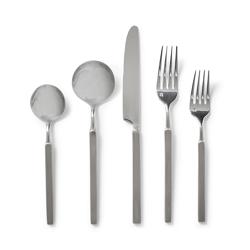
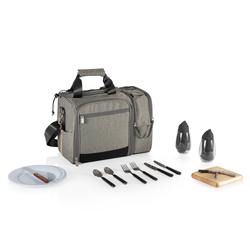
Picnic tableware includes plates, bowls, drinking cups, flatware and serving pieces designed for meals away from the dining room. The most useful choices balance easy carrying with a comfortable feel, sturdy construction and shapes that suit the food being served. Lightweight, stackable pieces help keep a picnic basket manageable, while reusable materials make sense for everything from a sandwich lunch at the park to a shared meal at a campground. Melamine is a popular option because it offers the look of traditional dinnerware with less weight and better resistance to breakage than many ceramic pieces. Reusable plastic tableware can be especially convenient for family outings, while stainless steel brings durability to flatware and some drinking vessels. The right combination depends on how far the meal needs to travel, how many people are joining and whether everyone will be seated at a table or balancing a plate on a lap. For a spread of sandwiches, sliced fruit and cookies, a moderately sized plate may be all each person needs. A menu with pasta salad, beans or juicy melon benefits from bowls or plates with raised edges that help contain dressings and juices. Separate smaller dishes make it easier to serve snacks or dessert without clearing every place setting first. Thoughtful proportions matter as much as the number of pieces: a large plate offers room for several foods, but it also takes up more space in a tote and can feel awkward for a child to hold. Cups with a broad, stable base are useful on picnic tables, and flatware should feel comfortable enough for the meal rather than simply fitting into the smallest possible pouch. Picnic dinnerware can still feel like a considered table setting, with coordinated colors or relaxed patterns bringing a sense of occasion to an otherwise simple lunch.
Materials influence how picnic tableware feels, travels and holds up to repeated use. Melamine can offer a substantial feel without the weight of stoneware, making it appealing for people who want reusable outdoor dinnerware that looks at home on a set table. It is break-resistant rather than unbreakable, however, and it should not go in the microwave. Care instructions also vary, so dishwasher compatibility and any rack-placement requirements deserve a look before choosing pieces for frequent use. Other reusable plastics differ in rigidity, scratch resistance and suitability for heated food; microwave use should be limited to pieces explicitly labeled for it. Stainless steel is durable and easy to pack, though metal cups can become uncomfortable to hold when filled with very hot drinks. Ceramic and glass may suit a short trip to a familiar picnic spot, but their weight and potential to break make them less practical for a long walk or a gathering where glass is restricted. Beyond material, small construction details can make a noticeable difference. Smooth rims feel comfortable against the lips, gently curved bowls are easy to eat from and plates with a little depth are more forgiving when a serving of salad shifts during the walk from the buffet to the blanket. Stackability is valuable, but pieces should also separate easily rather than wedging tightly together. A nested stack can leave more room for napkins and food, while a protective layer between surfaces helps reduce scuffs in transit. After the meal, removing food residue and packing used dishes separately keeps cleanup more contained. Washing according to the manufacturer’s directions, using nonabrasive tools when recommended and drying pieces fully before storage help preserve their finish. Deep cracks, chips or damaged edges are reasons to retire a piece rather than keep it in the picnic rotation. For households that picnic often, care requirements are part of the fit: tableware that works with everyday washing and storage habits is easier to reach for again.
A useful picnic tableware collection fits the way people actually gather. Couples who carry lunch on a walk may prefer a small, matching group of lightweight essentials, while families often need a mix of plate sizes, easy-to-grip cups and enough flatware to cover an extra serving or a dropped fork. For larger gatherings, a coordinated mix of colors can help guests recognize their place settings without requiring every piece to match. Neutral shades keep the focus on the food and work with many linens, while patterned dishes add character to a plain picnic table. Shape matters here, too: broad serving pieces allow guests to help themselves, but they need enough table space, while deeper bowls keep loose foods more contained. Serving utensils are worth considering alongside individual place settings, especially when the menu includes leafy salads, cut fruit or dishes meant to be shared. Tableware handles the serving side of the meal;
Picnic Containers help organize and transport the food before it reaches the table. Keeping those roles distinct makes packing simpler, since a serving bowl without a secure lid is not a substitute for a container designed to travel. Likewise, cups and plates do not provide temperature control for foods that require it, so appropriate insulated storage remains important. For an easygoing meal, pieces that move comfortably between the kitchen, picnic basket and outdoor table can reduce the need for separate collections. They are useful for casual patio lunches, park meetups and road-trip stops, not just a carefully planned picnic. Reusable picnic tableware can also make a thoughtful gift for someone who enjoys camping, regularly brings friends together outdoors or is setting up a household with entertaining in mind. Manageable dimensions, straightforward care and versatile colors usually matter more than an elaborate place setting. A well-chosen collection leaves room for the pleasures of the meal itself: passing a bowl of grapes, sharing the last slice of cake and lingering at the table without a stack of fragile dishes to worry about.