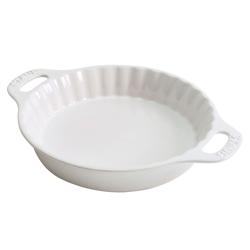
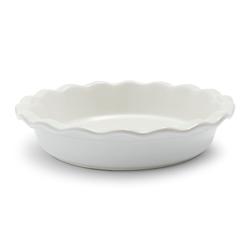
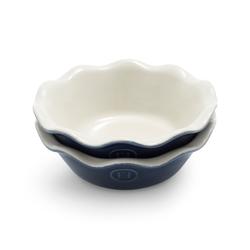
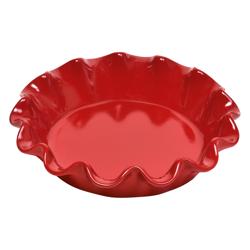
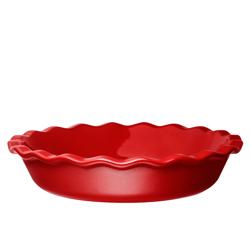
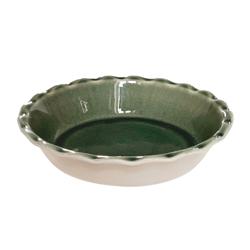
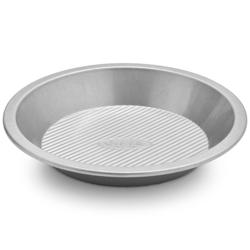
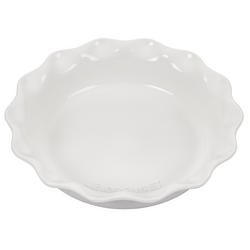
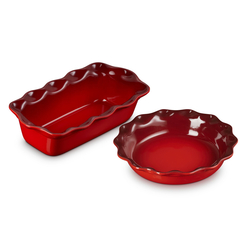
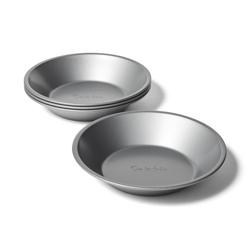
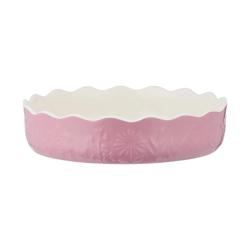
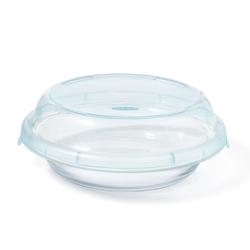
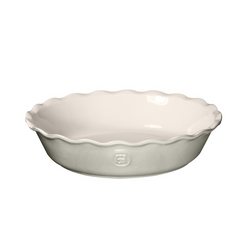
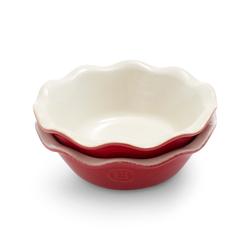
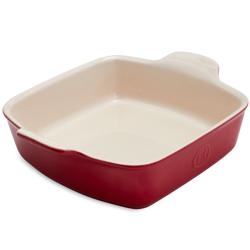
A well-chosen pie dish is a practical kitchen upgrade that earns its place with crisp-edged crusts, neatly held fillings and a look that feels at home on the table. Whether the plan is a lattice-topped apple pie, a silky custard filling or a savory quiche for lunch, the dish helps shape both the baking experience and the finished presentation. Material is a useful starting point because it affects how the dish absorbs heat, how easily the crust can be checked and how comfortably it moves from baking to serving. Ceramic pie dishes bring a substantial feel and a range of finishes, from smooth, understated glazes to textured surfaces that give a simple dessert a little more presence. Stoneware and porcelain are ceramic options with their own construction and care requirements, so their suitability for a particular recipe depends on the individual dish rather than appearance alone. Their heat retention can be helpful when bringing a savory pie to the table, while their finished surfaces make them appealing serving pieces. Glass offers a different advantage: a view of the sides and bottom of the crust. That visibility can make it easier to judge browning instead of relying only on the color of the exposed rim. Metal generally responds more quickly to oven heat and can encourage a well-browned crust, with darker finishes tending to brown more readily than lighter ones. Nonstick finishes can simplify serving and cleanup, though they also call for utensils and care that protect the coating. None of these materials replaces a dependable recipe, but each brings something useful to the kitchen. A frequent baker might favor the visibility of glass or the responsiveness of metal, while someone who likes to serve directly from the baking dish may appreciate glazed ceramic. The most satisfying upgrade is not necessarily the most decorative one; it is the dish whose material, shape and everyday handling suit the food being made.
Size and depth matter just as much as material, especially when replacing a familiar pie plate or adding a dish for a different kind of bake. Two dishes with the same stated diameter can hold noticeably different amounts of filling because their sides slope differently or their depths vary. A recipe written for a standard 9-inch pie dish may not fill a deep dish in the same way, and an especially generous filling can overwhelm a shallower shape. Matching the recipe’s intended dimensions helps preserve the balance between pastry and filling without leaving excess dough or an unexpectedly thin layer of custard. For bakes meant to serve a larger gathering,
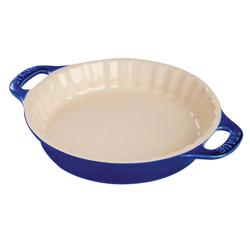
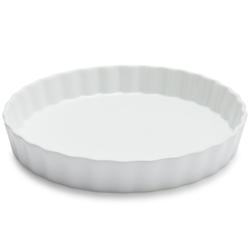
Large Pie Dishes offer more room for sharing, with the recipe yield and baking time still worth checking against the dish’s measurements. Deep profiles are particularly appealing for thick fruit fillings and substantial savory pies, while shallower dishes suit recipes designed around a lower, more even layer. The rim deserves attention, too. A broad, flat edge gives pastry somewhere to rest during crimping and provides space to support a decorative border. A fluted edge adds definition to the presentation, although the pastry still needs to be shaped according to the recipe. Handles or extended rims can offer a more comfortable place to grip with oven mitts, an important detail when the dish is full. Those same features also affect how much room the dish needs in an oven, cabinet or carrying container. For smaller kitchens, the useful measurement is the overall footprint, not just the diameter across the opening. A dish that fits the recipe but crowds the storage shelf may be less convenient than expected. These details become especially noticeable with repeated use: room to lift the dish securely, enough space for the filling to bubble without spilling over and a shape that allows a pie server to slide beneath the crust.
An upgrade should also fit the way the kitchen works after the pie comes out of the oven. A dish that looks beautiful on the table needs to be manageable when full, comfortable to store and compatible with the household’s cleaning routine. Dishwasher-safe construction can make regular use more convenient, but care instructions vary by material and finish. Hand-washing may be recommended for certain surfaces, and a gentle soak can help loosen baked-on filling without aggressive scrubbing. Nonstick coatings benefit from nonabrasive cleaning tools and utensils that will not scratch them; cutting directly in the dish should depend on the manufacturer’s guidance. Glass and ceramic also need protection from sudden temperature changes. A heat-safe resting place and careful handling help prevent damage, while freezer, microwave and broiler use should always be confirmed for the particular dish. Durability includes more than resistance to everyday wear: it also means choosing a weight and shape that feel practical enough to use often. A heavier dish may feel reassuringly substantial, but it should still be easy to lift safely with oven mitts. For kitchens where bakeware doubles as serveware, color and finish offer another way to make the upgrade feel personal. A simple neutral can sit comfortably beside existing dinnerware, while a richer glaze can give a golden pastry crust a striking backdrop. Pie dishes also make thoughtful gifts for someone setting up a first kitchen, a couple building a wedding registry or a baker known for bringing dessert to family meals. A versatile size and straightforward care requirements are often more useful than an unusual shape that calls for a special recipe. Paired with a favorite handwritten recipe, a pie dish becomes an invitation to make something familiar and share it. Its value comes through in repeated use, from an everyday quiche to a carefully crimped fruit pie carried to the table in the dish it baked in.