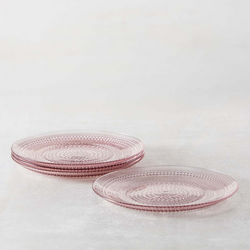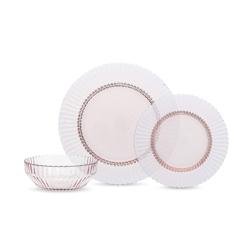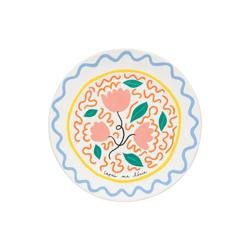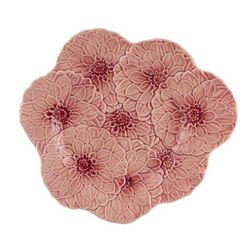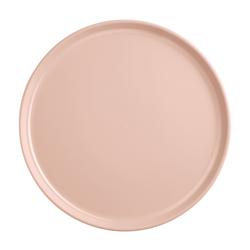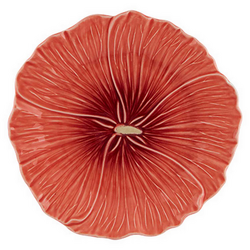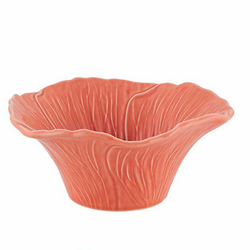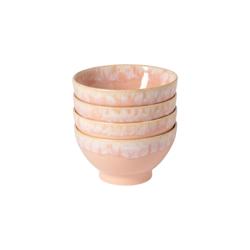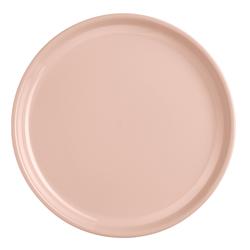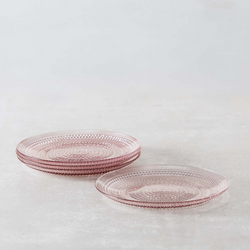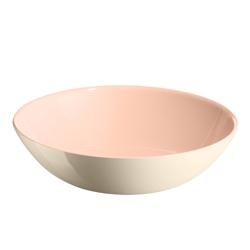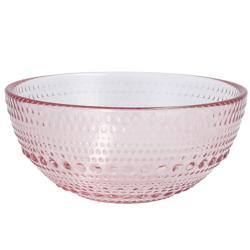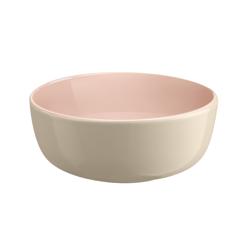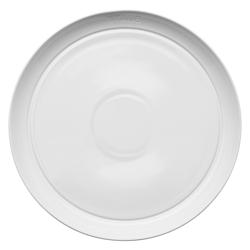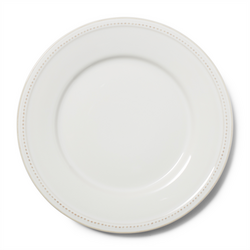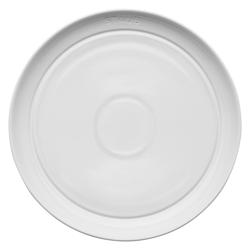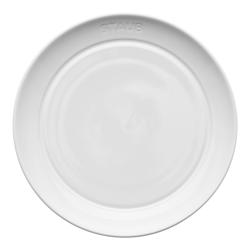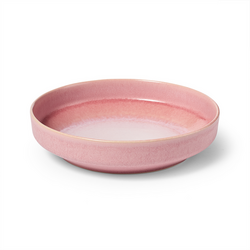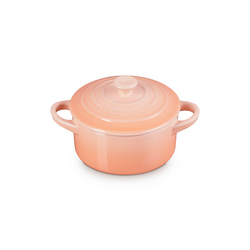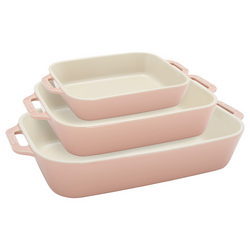
Pink dinnerware sets bring a soft touch of color to the table without needing much else around them. A pale blush can sit comfortably beside clear glassware and simple white linens, while a deeper rose creates more contrast with a wood tabletop or woven placemats. The effect depends as much on the finish and shape as the color: smooth, glossy surfaces reflect light, while matte glazes have a quieter appearance. Rounded edges feel relaxed, and clean profiles can make the same shade look more tailored. Pink also provides an appealing backdrop for food, from a green salad with sliced radishes to golden roast chicken or a piece of chocolate cake. For everyday meals, a coordinated set gives breakfast, lunch and dinner a consistent look without requiring an elaborate table setting. For a meal with guests, the same pieces can work with cloth napkins, candles and serving dishes already in the cupboard. The color does not have to match every accessory exactly. White serving bowls keep the arrangement light, warm wood adds texture and darker flatware brings definition. If a subtle shade is the priority,
Soft Pink Dinnerware offers another way to explore that understated look. Tone matters when combining pieces, since some pinks lean toward peach and others have a cooler, mauve cast. A slight difference can look intentional when the surrounding tableware stays simple. A complete pink place setting makes color the focus, while using pink alongside neutral pieces gives it a smaller role. Both approaches leave room for personal habits, whether dinner usually means pasta at the kitchen counter or several dishes passed around a full table. The most useful set feels at home in those ordinary moments, not just when everything is arranged for company. Its appeal comes from the balance between a color that makes the table feel personal and shapes that suit the way meals are served.
Materials give pink dinnerware much of its character, so the shade is only part of the decision. Stoneware often has a substantial feel and can suit relaxed, everyday settings, though its weight and thickness vary. Porcelain can offer a finer profile with a smooth surface, and a delicate appearance does not automatically mean a piece is unsuitable for regular use. Earthenware may have a more substantial profile or a decorative finish, with care needs that deserve attention. Because ceramic is a broad material category, the material description and care instructions are more useful than appearance alone when judging how a set will fit into a household. A glossy glaze is different in the hand from a matte one, and textured rims or raised details can affect both stacking and cleanup. Metal utensils may leave visible marks on some light or matte surfaces; these marks are not necessarily cracks or chips, but any cleaning method should be appropriate for the glaze. Dishwasher-safe dinnerware is convenient when meals happen in quick succession, while pieces that require hand-washing call for a different routine. Microwave suitability matters for reheating leftovers, but it should always be confirmed rather than assumed, particularly with decorative metallic details. Oven and freezer use also depend on the maker’s instructions. Even sturdy dinnerware benefits from protection against sudden temperature changes, hard knocks at the sink and crowded stacks that put pressure on edges. Leaving space between pieces in the dishwasher helps prevent contact during the wash cycle, and gentle handling keeps rims from taking unnecessary impacts. For hand-washing, a soft sponge and a suitable detergent are a sensible starting point. Abrasive pads can damage some finishes, so stubborn food is better handled according to the recommended care directions. Durability is a combination of material, construction and everyday treatment, not simply how heavy a plate feels. For a busy home, the best fit is dinnerware whose care requirements are easy to follow consistently.
The contents and proportions of a pink dinnerware set are just as important as its appearance. A set’s total piece count does not necessarily tell how many people it serves, since the assortment may include different combinations of plates, bowls and mugs. Checking the number of complete place settings helps connect the set to actual meals, whether it is for one person, a couple or a larger household. Consider what gets used most often: broad plates give a main course and sides room to sit separately, while bowls with more depth are useful for cereal, soup and rice dishes. A shallower bowl may suit pasta or a salad better than a deep breakfast bowl. Plate dimensions matter in practical ways, too. An oversized dinner plate can look appealing on the table but fit awkwardly in a narrow cabinet, compact dishwasher or small microwave. Rim width also changes how much usable space a plate provides, even when two plates have the same overall diameter. Comfortable weight, steady bases and manageable stacks make a difference when setting the table or putting dishes away. Households that entertain may appreciate enough place settings for guests, while smaller kitchens may benefit from a more compact group of frequently used pieces. Pink dinnerware can also make a thoughtful wedding or housewarming gift when the recipient’s taste and daily routine are well understood. Someone who enjoys a colorful table may welcome a coordinated set, while a person with mostly neutral dishes might prefer a softer shade that blends easily with what they own. Care needs and storage space are worth considering alongside color, especially for a first apartment or shared kitchen. Whether chosen as a gift or for daily use, a well-suited set should be comfortable to handle, practical to clean and pleasing to bring to the table. Pink supplies the personality; the right shapes, material and proportions make it part of everyday life.