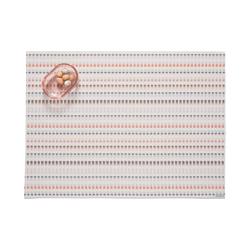
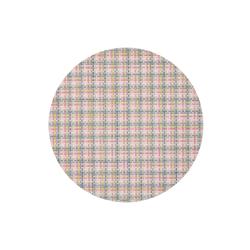
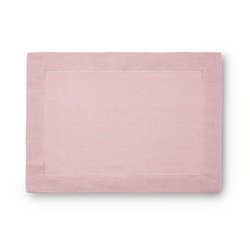
Pink picnic placemats give each guest a defined place at the table while adding color to an outdoor meal. Cotton and cotton-blend fabrics, wipe-clean vinyl and woven synthetic materials offer different combinations of softness, texture and ease of care. The right choice depends on how the placemats will be used, how much room each setting needs and how cleanup fits into the day. For a picnic with sandwiches, sliced fruit and lemonade, a simple pink mat can bring a coordinated feel to otherwise mixed plates and drinkware. Pale blush works well with white dishes and natural wood, while a brighter pink adds contrast beside clear glasses or neutral linens. Gingham, stripes and solid colors each create a different mood: checks feel familiar and casual, stripes bring a little structure and solids leave more room for patterned dishes. Pink also pairs naturally with green, blue and cream, so the table does not need to match from end to end. A few repeated touches, such as napkins in a related shade, can make the setting feel considered without requiring a complete change of dinnerware. Placemats are especially useful on shared picnic tables, where they help distinguish individual settings and create a visual boundary between plates, serving dishes and personal belongings. They are not a substitute for cleaning the table, but they can provide a removable layer beneath dinnerware. The same approach works for a meal in the backyard, a park gathering or an indoor picnic spread across a dining table. For meals that move between the picnic table and the patio, explore
Outdoor Pink Placemats for a related take on this relaxed style. Whether the gathering is a family lunch or a birthday picnic, the most useful placemats balance their decorative role with the practical demands of carrying, setting and clearing the table.
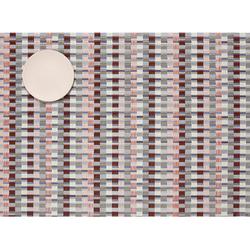
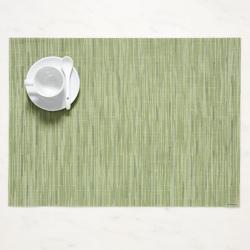
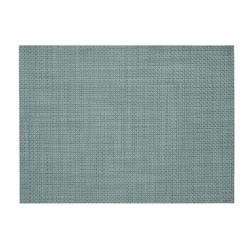
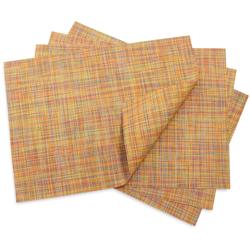
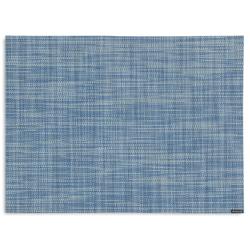
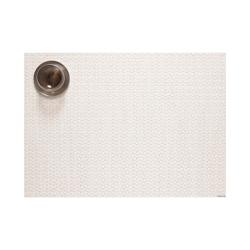
Material makes a noticeable difference when pink picnic placemats are part of a regularly used picnic kit. Cotton has a soft, familiar feel and folds easily into a basket or tote, making it a practical consideration when packing space matters. Cotton-blend fabrics may offer different levels of wrinkle resistance and drying time, depending on their fiber content and construction. Fabric placemats can absorb small drips, but absorption does not mean they will keep moisture from reaching the surface underneath. Sauces, berry juice and oily dressings also call for prompt attention, particularly on lighter pink shades. Vinyl and some coated materials are worth considering when wiping away crumbs and spills is more convenient than laundering after every meal. Their care requirements vary, however, and a wipe-clean surface should not be assumed to be dishwasher safe, machine washable or suitable for hot cookware. Woven synthetic placemats add texture and can feel more structured than cloth, though open weaves may allow crumbs and liquid to pass through. A tightly woven surface may be easier to brush clean, while a more open pattern can make the tabletop part of the overall look. Check both sides of a mat when evaluating its construction: a smooth underside, secure edges and an even surface all matter when plates and glasses will be set on top. For repeated use, neatly finished hems or well-bound edges can help limit fraying, while flexible materials should return to a reasonably flat shape after storage. Textured surfaces should still support dinnerware without creating an awkward tilt. No material is automatically the best choice for every picnic. A family that often packs sticky snacks may value straightforward cleanup, while someone planning a carefully set lunch may prefer the feel and drape of fabric. Heat resistance, stain resistance and outdoor suitability are separate features, so each should be confirmed in the care and use information rather than inferred from appearance.
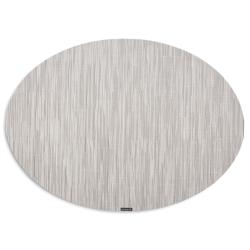
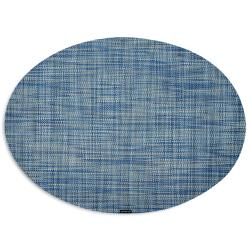
Size and shape deserve as much attention as color, especially when several people are sharing a narrow picnic table. A placemat should accommodate the plate and utensils without overlapping the next setting or hanging awkwardly over the edge. Rectangular shapes often give flatware a clear place beside the plate, while round mats can soften the look of a setting and work neatly beneath round dinnerware. Neither shape guarantees a smaller footprint; the actual dimensions are what determine the fit. Leave room for drinking glasses, a bowl of salad and the dishes everyone will be passing. A large charger or wide-rimmed plate may cover much of a smaller mat, so consider how much pink should remain visible around the dinnerware. On a picnic blanket, a flexible mat can help define a setting, but it will not turn uneven ground into a stable surface for a glass. Packing habits matter, too. Foldable cloth fits around other picnic essentials, while more structured mats may travel better laid flat. After the meal, shake off loose crumbs before packing and keep soiled placemats separate from clean napkins. Follow the care label for washing temperature, stain treatment and drying; even similar-looking pink fabrics can have different requirements. Wipe-clean mats also need to dry fully before being stacked or stored, and folds should be avoided when they could leave lasting creases. Pink picnic placemats can be a thoughtful gift for someone who enjoys casual entertaining, takes frequent park lunches or likes setting a welcoming table without much fuss. A coordinated group is useful for a household that regularly eats together, while an easy-care material may be particularly welcome for a family with children. For a housewarming or birthday gift, consider the recipient’s table size, preferred colors and usual cleanup routine. Those everyday details help make a decorative gift something that gets used, packed and brought along for the next shared meal.