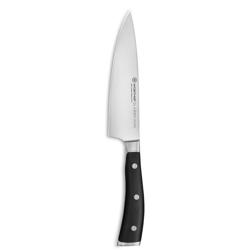
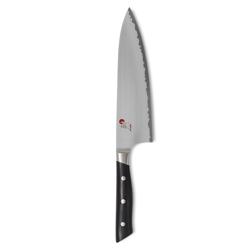
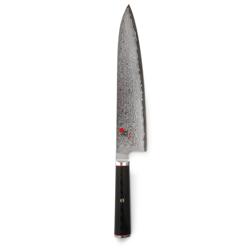
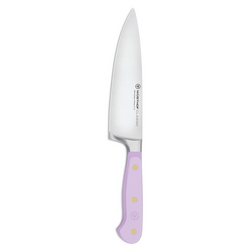
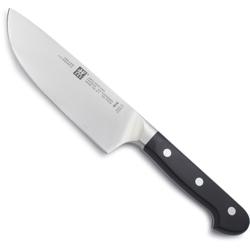
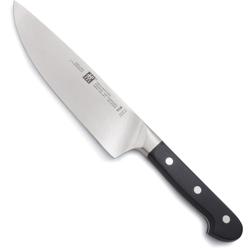
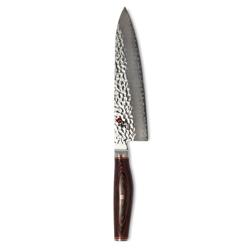
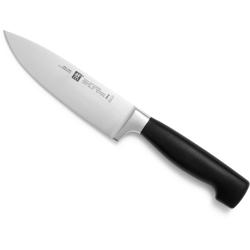
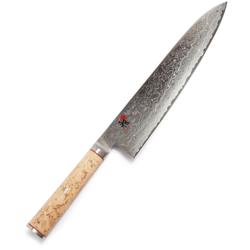
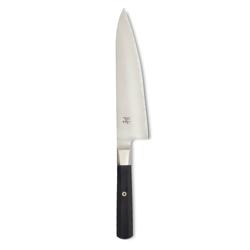
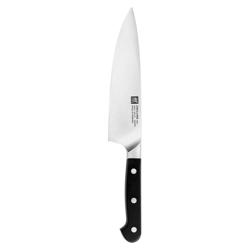
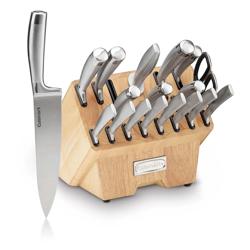
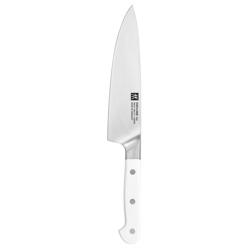
Precision chef knives for fine slicing are designed to give you a clean, controlled cut with less crushing, tearing and dragging. They are especially useful when working with ripe tomatoes, soft fruit, herbs, boneless meats, fish and vegetables that benefit from a smooth, deliberate stroke. A thin blade profile creates less resistance as it moves through food, while a carefully sharpened edge helps you make thin, even slices with fewer sawing motions. This level of control can make a noticeable difference when preparing delicate ingredients for a composed salad, shaving cabbage for slaw or portioning a roast for serving. It is also helpful for everyday prep: a precise knife can make quick work of onions, carrots and potatoes while allowing you to adjust the thickness of each cut. Many cooks prefer a lighter knife for this kind of work because it responds easily to small movements of the hand. Others appreciate the steadier feel of a sturdier, Western-style chef knife. The best choice comes down to how you hold a knife, how much pressure you naturally use and whether you prefer a nimble or substantial feel on the cutting board. For an even broader selection of finely sharpened kitchen tools, explore
Sharp Chef Knives.
When comparing precision chef knives, start with the blade geometry, edge angle and steel. Japanese-style knives often have thinner blades and steeper edge angles in the range of 9 to 15 degrees per side, giving them exceptional initial sharpness and a refined slicing feel. Western-style knives commonly use edge angles from about 15 to 20 degrees per side, which can offer a useful balance of precision, strength and edge durability. A thinner edge can glide through food with less drag, but it may also require more careful handling. Harder steels, often rated at 60 or above on the Rockwell C scale, can hold a very fine edge for a longer period when properly maintained. High-carbon and powdered steels are valued for their ability to take and retain a sharp edge, although performance varies by the specific construction and heat treatment. Look for a blade that feels straight and consistent from heel to tip, with no noticeable wobble or unevenness. The handle should feel secure without forcing your fingers into an awkward position, and the knife should balance comfortably near the bolster or handle. A full bolster can add weight and protect the hand, while a lighter bolster or streamlined heel may allow more room for sharpening along the full length of the edge. Some blades include a hollow or dimpled profile that helps reduce sticking when slicing moist foods, though technique and food texture also affect how easily ingredients release. Blade length matters as well: a shorter knife can feel more manageable for smaller hands or crowded workspaces, while a longer chef knife gives you more cutting surface for large vegetables, melons or broad portions of meat. Whichever style you choose, the edge should feel purposeful rather than delicate for its own sake. Precision comes from the relationship between sharpness, balance, flexibility and control.
These knives are a practical choice for home cooks who enjoy careful preparation, as well as experienced cooks who want a dependable tool for detailed work. They can be especially welcome for someone setting up a first serious kitchen, refining knife skills or preparing meals from fresh ingredients throughout the year. A precision chef knife also makes a thoughtful gift for a wedding, housewarming, graduation or milestone birthday because it is useful every day and can remain part of a kitchen for many years with proper care. It is worth pairing the knife with a suitable cutting board and storage solution, since hard countertops, glass boards and loose drawers can quickly damage a fine edge. Use a stable wood or quality composite board, keep the blade away from bones and frozen foods and avoid twisting the knife while it is in an ingredient. Hand-wash and dry the knife soon after use unless the care instructions specifically state otherwise; prolonged moisture and high dishwasher heat can affect the blade, handle and edge. A honing rod may help realign an edge on compatible knives, but honing does not replace sharpening. When the knife begins to slide rather than bite cleanly, have it professionally sharpened or use a sharpener suited to its edge angle. Store it in a block, sheath or magnetic holder that protects the blade and keeps it separate from other utensils. With a light grip, a stable cutting board and a smooth forward-and-back motion, a well-made precision chef knife can turn routine preparation into calmer, more consistent work—from paper-thin cucumber slices during the warmer season to neatly portioned root vegetables and roasts during the cooler months.