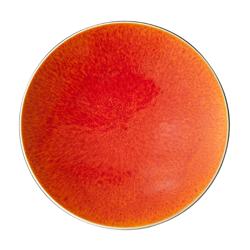
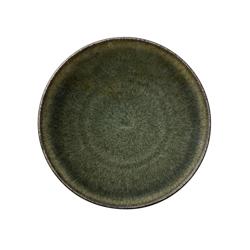
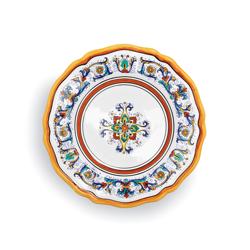
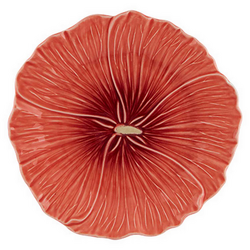
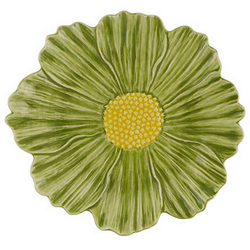
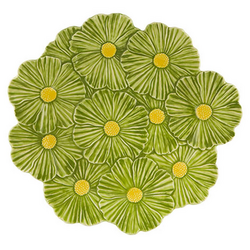
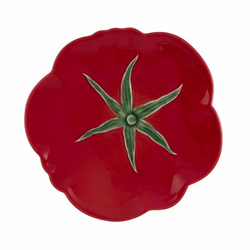
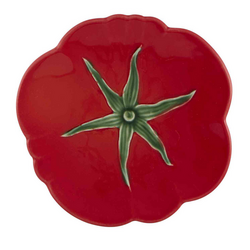
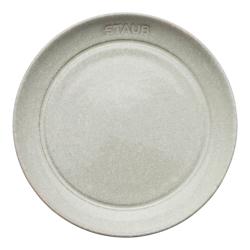
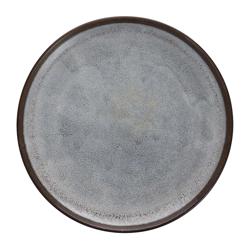
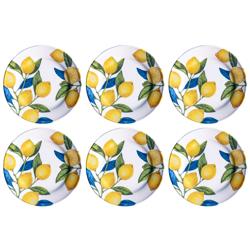
Printed round plates bring color and character to the table without changing the familiar shape that works for everyday meals. A patterned border can frame a serving of roast chicken and vegetables, while an allover design adds interest beneath a sandwich, a slice of cake or a few pieces of fruit. Botanical illustrations, geometric repeats and decorative motifs each create a different mood, from relaxed and playful to more tailored. The round silhouette gives those patterns a natural rhythm, whether they follow the rim or spread across the center. It also makes printed plates easy to work into an existing dinnerware collection: a few patterned pieces can refresh plain place settings without requiring every bowl, mug and serving dish to match. For some households, printed dinner plates become the everyday foundation; for others, smaller patterned plates add a distinctive touch to breakfast, appetizers or dessert. Material plays an important part in how those pieces feel and function. Porcelain often offers a relatively refined profile and a smooth surface that lets fine details stand out. Stoneware can have a more substantial feel, with glazes and surface textures that contribute to the overall design. Earthenware may offer a softer, more casual look, though its care requirements deserve close attention. Melamine provides a lightweight alternative for casual serving, but it is not a substitute for oven-safe or microwave-safe ceramic dinnerware. Weight, thickness and finish vary within every material category, so the material name alone does not tell the whole story. A plate that feels comfortable to carry from the kitchen, sits securely on the table and suits the way food is served will earn its place more readily than one chosen for appearance alone. The best match balances a pattern worth seeing every day with the practical details that make setting and clearing the table feel easy.
The proportions of a printed round plate matter just as much as its overall diameter. A broad decorative rim creates a generous frame around the food but leaves a smaller eating surface than a narrow rim on a plate of the same size. That distinction becomes noticeable with meals that include several components, such as fish, rice and a salad, or foods that need room for cutting. A slightly raised edge helps contain dressings and sauces, while a flatter profile can make arranging toast, pastries or small bites feel more open. Dinner plates, salad plates and dessert plates also take up different amounts of space within a place setting. On a compact table, a smaller plate may leave more room for water glasses and shared dishes; for meals served in courses, coordinating sizes can create a consistent look without making the setting feel crowded. Beyond the tabletop, the right fit includes cabinet depth, shelf spacing and dishwasher rack clearance. A pronounced rim or deeper shape may affect how neatly plates nest, especially when mixed with pieces from another collection. Pattern scale is another useful distinction. Small repeating details tend to read as texture from across the table, while larger illustrations make each place setting a stronger focal point. A border print leaves more of the center visually quiet, allowing both the food and the decoration to have their own space. Color provides a straightforward way to connect different patterns. For a table built around a classic palette,
printed blue plates can work with white bowls, clear glassware and simple linens, allowing the motifs to carry the setting. More colorful prints can connect with one shade already present in napkins or serving pieces. Matching every element is not necessary; a shared color, similar linework or consistent background can make an assortment of patterns feel considered rather than busy.
Daily care helps determine whether printed round plates are a comfortable choice for frequent use or better suited to occasional serving. Dishwasher-safe labeling is especially useful for busy households, but it should apply to the decorated plate itself, not simply to the base material. Some finishes, metallic accents and surface decorations need hand-washing, and a ceramic plate should not be assumed to be microwave safe or oven safe unless its care information says so. Pieces with gold- or silver-colored detailing deserve particular attention because metallic decoration generally should not go in a microwave. For hand-washing, a soft sponge and mild dish soap are sensible starting points when consistent with the manufacturer’s directions. Abrasive pads can damage decoration or dull a finish, while careful loading helps keep plate edges from knocking against other dishes. Stacking also deserves a little thought: plates should rest securely without pressure on raised details, and protective dividers may be helpful for delicate pieces stored between uses. Durability depends on construction, glaze and handling as well as material. No dinner plate is immune to chips, and a substantial feel does not automatically mean a piece will tolerate rough treatment. Avoiding sudden temperature changes and checking for damaged edges are simple habits that support everyday use. These practical considerations are especially useful when choosing printed plates as a gift. For a wedding or housewarming, a pattern that relates to the recipient’s existing dinnerware is often easier to use than an entirely different look. Smaller plates can be a thoughtful choice for someone who enjoys baking, setting out snacks for friends or making a simple lunch feel more considered. A household that runs the dishwasher after every meal may value easy care above intricate decoration, while someone who enjoys setting a detailed table may appreciate a distinctive border or illustrated center. Printed round plates offer room for both approaches, combining a familiar, useful form with designs that make a place setting feel personal.