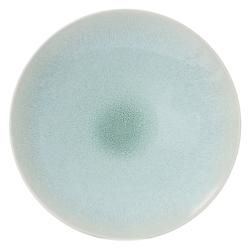
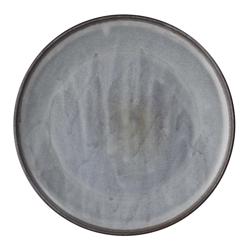
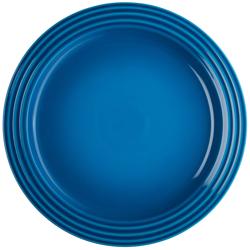
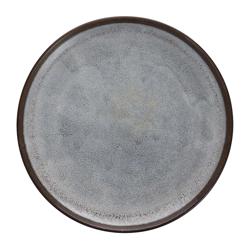
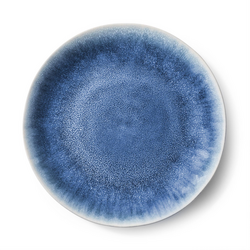
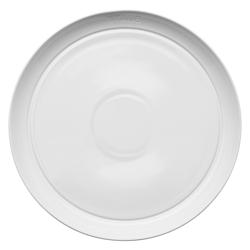
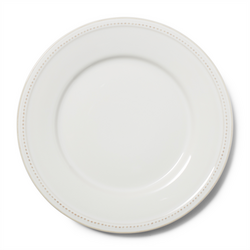
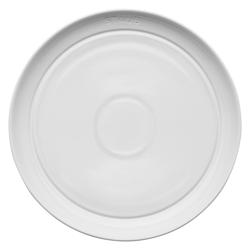
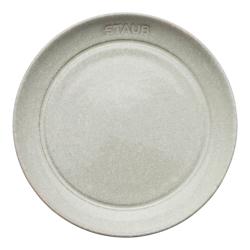
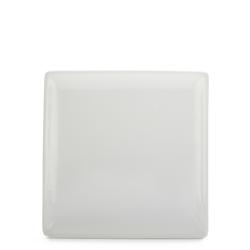
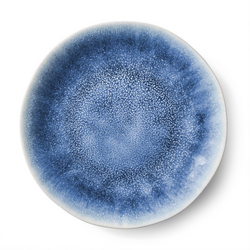
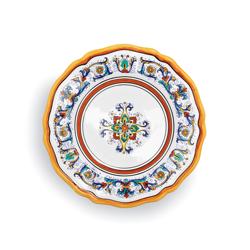
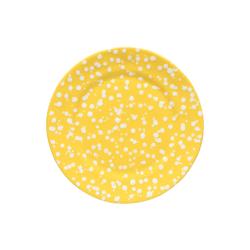
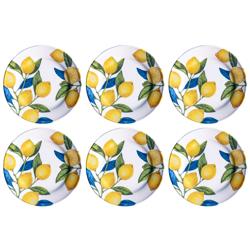
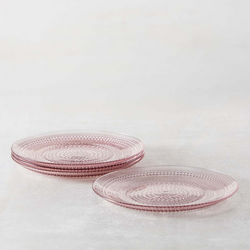
Printed blue plates bring color and pattern to the table without making every meal feel like a formal occasion. Blue-and-white decoration has a long history in ceramics, appearing in everything from intricate floral designs to scenic illustrations and geometric borders. That range is part of its appeal: a delicate botanical print can feel at home beside linen napkins, while a bold stripe or repeating motif works just as comfortably with woven placemats and everyday flatware. The shade of blue makes a difference, too. Deep cobalt creates a strong contrast against a white background, softer blue feels more understated and inky tones can give a simple place setting definition. Think about how much pattern you want beneath the food. A decorated rim leaves an open center for a composed salad or a serving of roast chicken, while an allover print remains part of the presentation as the plate is cleared. Neither approach needs an elaborate table around it. A blue border, a clear drinking glass and a folded cotton napkin can be enough to make lunch feel thoughtfully set. Blue also provides a pleasing backdrop for the colors already on the menu, whether that means red tomatoes, leafy greens or golden pastry. For a coordinated table, repeat one shade across the plates and keep other elements quiet. For a more collected look, pair different prints that share a similar blue or the same background color. A warm ivory base and a bright white base create different effects, so consider those undertones alongside existing dinnerware. Pattern scale helps establish balance: a small, close-set design can sit comfortably next to a broader stripe without both competing for attention. Printed blue plates suit everyday breakfasts, meals with friends and family celebrations alike, with enough visual interest to carry a place setting even when the rest of the table stays simple.
Beyond the print, the material and shape determine how a plate fits into daily life. Porcelain often allows for a relatively slim profile and a smooth surface, making it worth considering when you prefer dinnerware that feels refined without necessarily being reserved for company. Stoneware frequently has a more substantial feel, though weight and thickness vary considerably between designs. Earthenware can offer an appealing traditional character, but its care requirements deserve attention, particularly where an unglazed foot or chipped surface could absorb moisture. Melamine is lightweight and less prone to breaking when dropped than ceramic, which can be useful for casual meals, although it should not go in the microwave. No material name alone tells the whole story about durability or care, so check the manufacturer's directions rather than assuming that all printed plates behave alike. For ceramic plates, the placement of the decoration and the way it is fired can affect how the finish stands up to repeated use. Look at practical details as closely as the design. A wide rim gives a pattern room to show, but it also leaves less usable space in the center than a narrow rim on a plate of the same diameter. A shallow well can help contain dressing or sauce, while a flatter profile gives food more open space. Smaller plates are useful for toast, dessert or a side salad; larger plates need to accommodate the meals you serve without crowding the table. Explore
Printed Round Plates if a familiar circular shape fits the way you serve and store dinnerware. Before choosing a size, measure a cupboard shelf and check the clearance in the dishwasher, including space beneath the spray arm. Consider stack height and weight as well, especially if plates live on an upper shelf or are carried several at a time. A comfortable everyday plate should be easy to lift, serve from and put away.
Care is simplest when it matches both the plate's material and its decoration. Dishwasher safe and microwave safe are separate claims, and neither should be taken to mean that a plate is suitable for the oven. Metallic accents, when present, require particular attention to the manufacturer's instructions. For dishwasher-safe plates, leave enough space between pieces for water to circulate and avoid arrangements that let rims knock together during the cycle. When hand-washing is recommended, use a soft sponge and a mild detergent rather than an abrasive pad that could dull the surface or damage exposed decoration. Let hot ceramic plates cool before washing, and avoid moving chilled dinnerware directly into intense heat; sudden temperature changes can cause cracking. Dry plates before stacking, and consider soft separators for pieces that are used less frequently or have raised decoration. A chipped rim calls for more than a change in presentation, since it can leave a sharp edge and expose the body beneath the glaze. These small habits help preserve the finish and make it easier to keep a table setting in regular rotation. When adding printed blue plates to dinnerware you already own, start with a clear role: dinner plates for daily meals, smaller plates to bring pattern to a plain setting or a coordinated group for hosting. There is no need for every piece on the table to match. Repeating a blue detail in a napkin or serving bowl can connect the setting, while plain companion pieces give a detailed print room to stand out. As a housewarming or wedding gift, patterned plates are most useful when they reflect the recipient's taste, storage space and approach to entertaining. Someone who enjoys arranging a table may appreciate a distinctive border; a household that uses one set for every meal may place greater value on manageable weight and straightforward care. The best choice brings together a print worth seeing every day and a shape that works comfortably at mealtime.