-
(238)
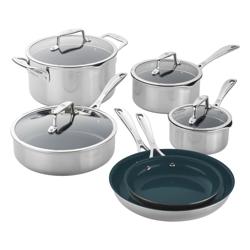
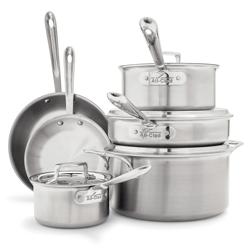
A revolutionary 10-piece cookware set with five-layer construction and ergonomic handles for precise control.
Pros: even heating, durable, easy to clean
-
(384)
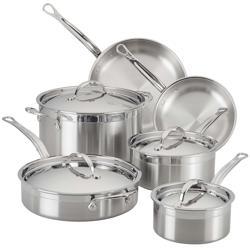
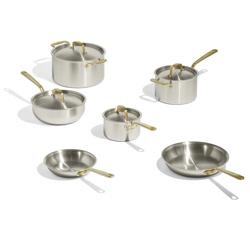
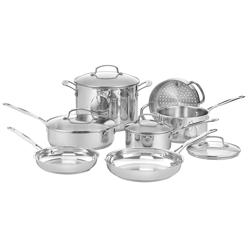
A 10-piece cookware set with tri-ply stainless steel construction, even heat distribution, and interchangeable lids.
Pros: dishwasher safe, quality, easy to clean
-
(2)
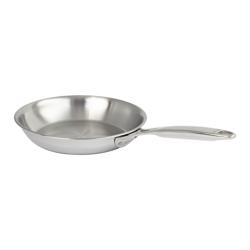
A silver 18/10 stainless steel skillet with 5-ply construction for fast, even heat and professional results.
Pros: quality
-
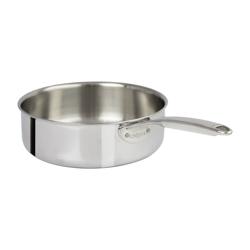
A silver stainless steel sauté pan featuring 5-ply construction for fast, even heat and professional performance.
-
A versatile silver stainless steel cookware set featuring ProCore™ aluminum for fast, even heat and seamless handles.
Professional Stainless Steel Cookware
Professional stainless steel cookware is a great choice for the kitchen, as it's durable, easy to clean, and can be used on all stovetop types. These cookwares are available in a variety of sizes and styles, making them a great choice for the home cook. These cookwares are also known for their superior heat conduction, making them ideal for cooking on high heat. Here are some great options.
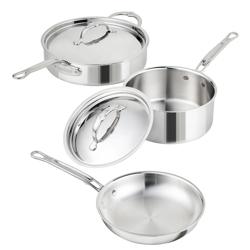
Professional Stainless Steel Cookware
FAQ List
Stainless steel cookware is a type of cookware made from stainless steel, a durable and versatile metal that is resistant to rust, corrosion, and staining. It is a popular choice for both home cooks and professional chefs because of its durability, even heat distribution, and non-reactive surface.
Yes, stainless steel cookware is safe to use. It is non-reactive, meaning it won't leach harmful chemicals or flavors into your food. However, it is important to use caution when handling hot cookware to avoid burns or injuries.
To clean stainless steel cookware, use a non-abrasive cleaner and a soft sponge or cloth. Avoid using harsh chemicals or abrasive scrubbers, as they can scratch the surface of the cookware. If food is stuck to the surface, soak the cookware in warm, soapy water before cleaning.
Yes, stainless steel cookware can be used on an induction cooktop. However, not all stainless steel cookware is compatible with induction cooking. Look for cookware that has a magnetic base or is labeled as induction-compatible.
Stainless steel cookware is durable, versatile, and easy to clean. It is also non-reactive, meaning it won't leach harmful chemicals or flavors into your food. Additionally, stainless steel cookware provides even heat distribution, making it ideal for cooking a variety of dishes.
-
"I love that this pan set is stainless steel and also has the durable non stick coating"
-
"Love the way it heats evenly and works on both my gas range and induction cooker"
-
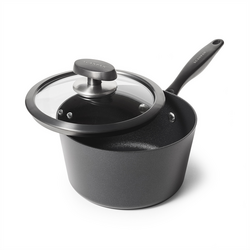
"I love scanpan and got it on sale. I have a square skillet and this sauce pan, both with lids"
-
"Absolutely love it. Best quality ever will look like New all the time Warenty for life"
-
"Love my new set of All Clad! Absolutely the best! Thank you"