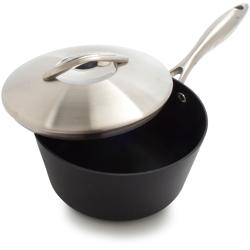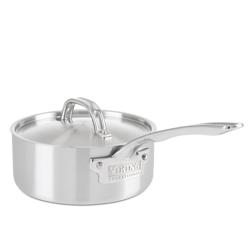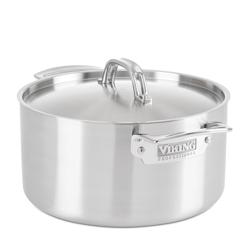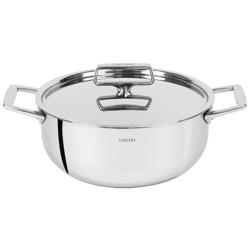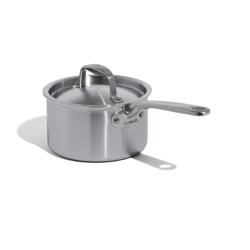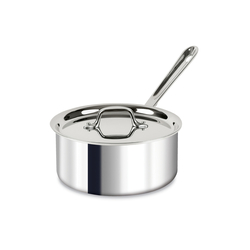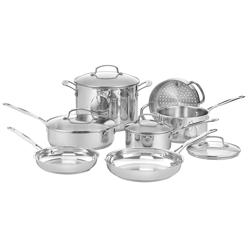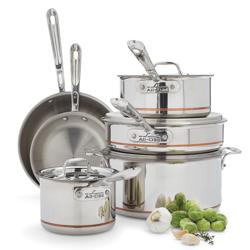
Professional pots and pans bring the control, durability and versatility of a well-equipped restaurant kitchen to everyday cooking. They are designed for cooks who want more than a basic vessel for boiling water or warming soup: they support steady browning, precise sautéing, gentle simmering and high-heat searing from one meal to the next. A professional-grade pan should feel balanced in your hand, sit securely on the cooktop and respond predictably when you adjust the heat. That responsiveness matters when onions need to soften without coloring, when a pan sauce must reduce without scorching or when a thick stew needs to bubble slowly for hours. Many professional pots and pans use fully clad multi-ply construction, bonding layers of stainless steel with highly conductive aluminum or copper. In a fully clad design, those layers extend from the base through the sidewalls and up to the rim, helping distribute heat evenly across the cooking surface and around the food. This differs from disk-bottom cookware, which concentrates the conductive layer beneath the base and may create cooler areas along the sides. Stainless steel interiors are popular for professional cooking because they are durable, nonreactive and well suited to browning meat, reducing sauces and deglazing with wine or stock. Aluminum and copper cores help the pan heat more efficiently, while an exterior layer of magnetic stainless steel makes the cookware compatible with induction cooktops. Together, these materials create pots and pans that can move from weeknight meals to more ambitious cooking projects without feeling delicate or overly specialized. For cooks who make soup as soon as the weather turns cool, a substantial pot can handle simmering vegetables, beans and grains while retaining heat between stirs. A wide sauté pan can reduce a panful of apples, sear chicken thighs or finish pasta in a glossy sauce. A saucepan is useful for oatmeal, custards, rice and reheating leftovers, while a skillet earns its place through frequent use for eggs, vegetables, fish and crisp-edged potatoes.
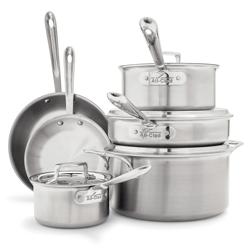
Choosing professional pots and pans starts with the way you cook, the cooktop in your kitchen and the pieces you reach for most often. A complete set can be a practical foundation for a new home, a kitchen refresh or a serious home cook building a coordinated collection. Individual pieces may be the better choice when your existing cookware is dependable but missing a particular size or shape. Consider capacity as well as diameter: a compact saucepan is convenient for small portions and delicate preparations, while a larger pot gives pasta, stock and one-pot meals room to move. Straight sides are useful for simmering and evaporation, and sloped sides make it easier to stir, whisk and turn food while sautéing. Look for long handles that stay comfortable during extended cooking, helper handles that make larger pieces easier to lift and lids that fit securely enough to hold in moisture without trapping every bit of steam. Riveted handles offer a durable connection, though cooks who prefer especially easy cleanup may appreciate interiors with fewer crevices. Weight is another important consideration. Heavier construction often improves heat retention and stability, but the pan should still be comfortable to lift when full. A pot that feels manageable when empty can become surprisingly demanding once it contains water, stock or a finished dish. Check the manufacturer’s care instructions and oven-safe temperature before using any piece under a broiler or transferring it from the stovetop to the oven. Many professional pans are oven safe to at least 500°F, while the maximum temperature may be lower when lids, silicone accents or other materials are involved. Compatibility with gas, electric, ceramic and induction cooktops should also be confirmed, especially if an induction upgrade is part of your future kitchen plans. Stainless steel cookware often rewards good technique: preheat the pan, add oil once the surface is ready, then give ingredients time to release naturally before turning them. This simple rhythm can help create the deep golden crust and flavorful browned bits that form the foundation of a memorable sauce. Professional pots and pans are not limited to experienced chefs. They are equally useful for a confident beginner learning how heat affects food, a busy household cooking large portions or an enthusiastic baker who needs reliable stovetop tools for fillings, syrups and melted ingredients.
Professional cookware also makes a thoughtful gift for newlyweds, graduates, first-time homeowners and anyone settling into a new kitchen. A well-made pot or pan is practical without feeling impersonal, and it can become part of the recipient’s daily routines for years. It may be the saucepan used to make a first breakfast in a new apartment, the stockpot brought out for a family gathering or the skillet that turns leftover vegetables into a satisfying dinner. During the cooler months, durable cookware is especially well suited to meals that gather people around the stove: simmering soups, braised greens, creamy risottos, bubbling sauces and slow-cooked beans. A versatile collection can support both simple cooking and elaborate menus, from a quick omelet before work to a multi-course dinner prepared for friends. When selecting a gift, think about the recipient’s space and habits. Someone with a compact kitchen may value one generously sized skillet or saucepan more than a large assortment, while an avid cook may appreciate a coordinated set with several capacities for layering tasks. Neutral stainless steel also pairs easily with existing kitchen tools and table settings, making it a lasting choice across changing styles. For cooks who favor the clean lines and dependable performance of this material, exploring
Professional Stainless Steel Cookware can help narrow the selection. Whatever the size of the collection, professional pots and pans are most rewarding when they fit naturally into the cook’s hands and routines. They should make it easier to move from preparation to serving, hold a steady simmer when attention shifts to the rest of the meal and stand up to the repeated heating, stirring and washing that define a busy kitchen. With the right construction and thoughtfully chosen shapes, they become trusted tools rather than occasional specialty pieces—ready for everyday breakfasts, relaxed weekend cooking and the generous meals that make home feel especially welcoming.