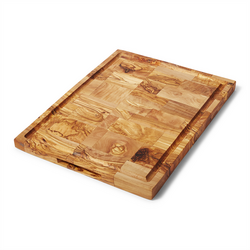
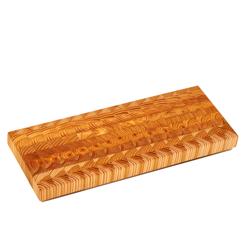
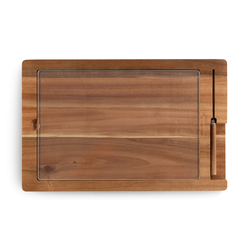
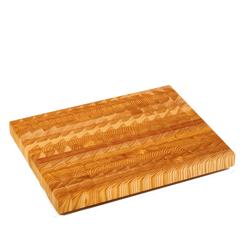
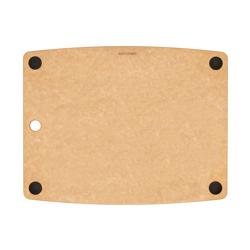
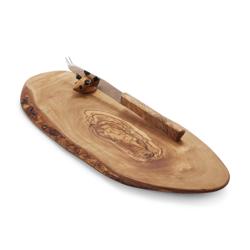
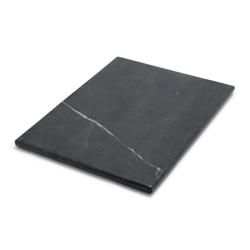
Rectangular cheese boards bring a sense of order to a generous spread, with room for distinct cheeses, crisp crackers and the little extras that make each bite different. Their straight sides sit neatly along the edge of a counter or dining table, while the elongated shape makes it easy to arrange food within reach of guests seated on either side. A smaller rectangle suits a wedge of aged cheddar, sliced pear and a handful of almonds for a quiet evening at home. A larger surface can anchor appetizers for a gathering, leaving space between a soft cheese, a firm variety and a small bowl of olives. That breathing room matters: it gives guests somewhere to cut a portion without pushing crackers over the edge or mixing preserves into neighboring foods. The shape also lends itself to arrangements that feel relaxed rather than carefully styled, whether cheeses run down the center or sit at opposite ends with accompaniments between them. Fit depends on more than the number of people being served. A board should leave room on the table for plates, glasses and serving utensils, and its usable surface may be smaller than its overall dimensions if handles or a wide border are included. For a narrow kitchen island, a long, slim profile can be more practical than a broad rectangle. On a coffee table, a compact board leaves space for guests to set down a drink. Thickness and weight affect the experience, too. A substantial board may feel steady when someone cuts a firm cheese, while a lighter one is easier to carry from the kitchen and put away afterward. Rectangular cheese boards work equally well for an appetizer course, a casual lunch of cheese and bread or a shared snack during a game night. Their appeal is in that flexibility: a useful serving surface that can look generous with a modest assortment and still feel organized when the occasion calls for more.
Material influences both the look of a rectangular cheese board and how it fits into everyday use. Wood brings visible grain and a warm backdrop to pale cheeses, dark grapes and golden crackers. Different woods vary in hardness, weight and grain pattern, so the feel of one board can be quite different from another. A wood surface intended for cutting is generally gentler on knife edges than stone, though it can develop marks with regular use. Those marks may become part of its character, but deep grooves or damaged finishes deserve attention because they make thorough cleaning more difficult. Bamboo offers a similarly natural appearance, often with a more uniform pattern, and benefits from careful washing and drying rather than prolonged exposure to moisture. Marble and slate have a different presence on the table, providing a smooth or subtly textured background that lets the food stand out. Stone can also be heavy, especially in a larger rectangular format, which matters when carrying a board topped with cheeses and small dishes. Hard surfaces are better treated primarily as presentation surfaces unless their care instructions specifically allow cutting; repeated contact can dull knife edges, and some materials may scratch or chip. Acidic accompaniments such as citrus or certain preserves can affect some natural stone finishes, making a small serving bowl useful for more than keeping flavors separate. Across the broader
Cheese Cutting Boards collection, the distinction between a board made for slicing and one intended mainly for serving is worth keeping in mind. Surface details matter as much as appearance. A flat area gives cheese knives room to move, while a rim can help contain loose nuts or crackers. Handles and finger holds may make lifting easier, but they also change how much space the board needs in a cabinet. The most useful material is one that suits both the way food is served and the care that comfortably fits into the household routine.
Care and storage play a large part in how well a rectangular cheese board holds up over time. Manufacturer instructions should take priority, particularly for finishes, adhesives and any attached components. Many wood and bamboo boards call for hand-washing with mild soap, prompt rinsing and thorough drying rather than soaking or dishwasher cleaning. Letting both sides dry before storage helps prevent trapped moisture, and a food-safe conditioning oil may be appropriate for wood when recommended by the maker. Stone needs its own care, including protection from knocks against the sink and cleaning products that could damage the surface. Removable bowls, utensils or other components, when included, may have different washing requirements from the board itself. These details are especially relevant for a board that will be used often rather than brought out only for company. Storage is another practical consideration: a rectangular shape can slide neatly into a suitable cabinet slot, but tall handles, extra thickness or substantial weight may call for a different spot. A board stored upright should be secure enough not to tip or strike nearby dishes. For households that entertain frequently, easy access makes it more likely to become part of the regular routine, ready for a few cheeses before dinner or sandwiches cut into small portions for guests. For someone with limited counter space, a manageable size and straightforward care may be more valuable than an oversized presentation. Rectangular cheese boards also make thoughtful housewarming, wedding or host gifts because they offer a useful foundation without requiring a matching set of tableware. The best fit reflects the recipient’s habits: frequent gatherings, relaxed meals for two or a preference for serving food directly at the table. Paired with an appropriate cheese knife or a small bowl for accompaniments, a well-chosen board feels personal without being overly specialized. It is a piece that earns its place through repeated use, bringing cheeses, fruit and good company together without making the occasion complicated.