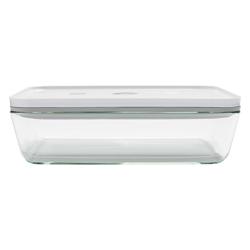
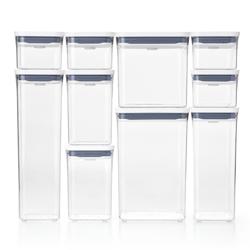
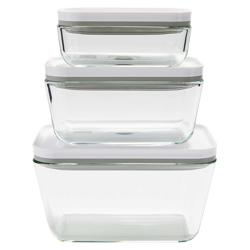
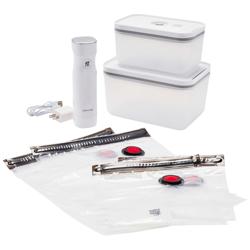
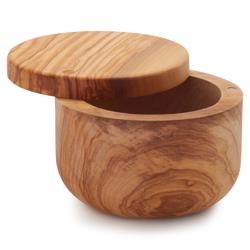
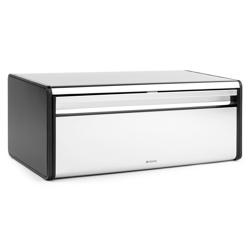
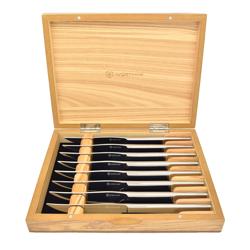
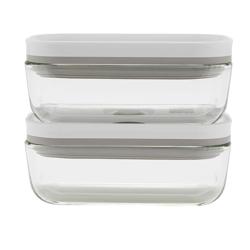
Rectangular storage boxes are containers designed to keep food, kitchen supplies and other everyday essentials organized while making efficient use of shelf, drawer and cabinet space. Their straight sides fit neatly alongside one another, helping reduce the gaps that can form between round containers. In a kitchen, that shape is especially useful for arranging pantry ingredients, keeping leftovers together in the refrigerator or gathering small baking tools in one place. A shallow box can keep decorating supplies from disappearing behind larger equipment, while a deeper container can hold individually wrapped snacks within easy reach. The best fit depends on what needs storing, where the box will sit and how often it will be opened. For food, containers should be specifically intended for food contact; a general-purpose organizer is not automatically suitable for holding loose ingredients or prepared meals. Rectangular food storage boxes can accommodate everything from a portion of roasted vegetables to neatly arranged sandwich halves, with less need to bend or crowd foods that benefit from lying flat. For storage centered on meals and ingredients,
Rectangular Food Containers offer a related category to explore. Beyond food storage, rectangular boxes bring order to the small things that tend to collect around a busy kitchen: cookie cutters, reusable bag clips, napkin rings and extra measuring spoons. Keeping those supplies grouped by task makes it easier to pull out what is needed for baking or setting the table without searching several drawers. Clear walls help reveal the contents at a glance, while opaque designs can create a quieter look on an open shelf. Either approach works best when the contents are easy to identify and the box is comfortable to lift. A container that fits naturally into the daily routine is more useful than one that holds a great deal but is awkward to reach, carry or put away.
Material plays a large part in how rectangular storage boxes feel and function. Plastic is generally lightweight, making it practical for packed lunches, snacks on the go and organizers that move frequently between a cabinet and the counter. Its resistance to breaking can be helpful in a busy household, though plastic can scratch, stain or retain odors depending on its composition and use. Glass offers a clear view of stored food and generally resists lingering colors and smells, a useful quality after storing tomato sauce or a strongly seasoned dinner. It is also heavier and can chip or break, so the weight of a full container matters, particularly when lifting it from a high shelf. Some glass food containers are designed for reheating or oven use, but those capabilities should always be confirmed in the manufacturer's instructions rather than assumed from the material alone. Metal storage boxes can be sturdy and useful for keeping dry goods or small supplies contained, although opaque sides make labels more helpful. The suitability of any material for acidic foods, prolonged food storage or temperature changes depends on the individual design. Lids deserve as much attention as the base. A simple cover can keep dust away from nonfood supplies, while a gasketed closure may be more appropriate for ingredients that need protection from air and moisture. Airtight and leakproof describe different functions; a lid designed to limit air exposure should not be assumed to prevent spills in a tote bag. For carrying soup or a saucy lunch, look for an explicit leakproof designation and follow the closure instructions. Easy-opening lids may suit frequently reached-for snacks, while locking closures can provide a more secure fit when properly fastened. Removable seals can make thorough cleaning easier, provided they are designed to come out. For anyone opening several containers during meal preparation, these small details have a noticeable effect on everyday convenience.
Size, fit and care determine how well rectangular storage boxes work over time. Capacity is only part of the picture: a container may hold the right amount yet be too tall for a refrigerator shelf or too wide for a narrow cabinet. Exterior measurements should account for lids, projecting tabs and handles, not just the usable space inside. A little clearance makes it easier to grasp a box without shifting everything beside it. Shallow containers keep delicate foods from being buried and make smaller portions easy to see, while deeper boxes are useful for bulkier contents when the shelf height allows. Straight-sided interiors can accommodate orderly rows of crackers or baking supplies; rounded interior corners are often easier to wipe clean. Stackable designs help use vertical space, but the boxes should sit securely together rather than balance on uneven lids. Nesting designs save room when empty, an especially useful feature in smaller kitchens where storage containers share a cabinet with mixing bowls and serving dishes. Matching lids to bases and letting every component dry fully before putting it away helps keep that cabinet manageable. Care instructions vary by material and construction, and dishwasher-safe bases may have lids or seals that require hand-washing. Gentle cleaning with a nonabrasive sponge helps protect surfaces, while attention to corners and gasket channels keeps food residue from collecting out of sight. Avoid sudden temperature changes unless the manufacturer specifically allows them, and check regularly for chips, cracks, warped lids or damaged seals that could affect safe use or closure. With the right dimensions and maintenance, these everyday containers can support a range of routines: a commuter packing lunch, a home baker sorting decorating tools or a household saving portions of a slow-cooked dinner for another day. During the cooler months, they are particularly useful for keeping baking ingredients orderly and making room for leftovers after shared meals. They can also make a thoughtful practical gift for someone setting up a kitchen, especially when chosen around the recipient's cabinet space, cooking habits and preferred way of storing food. The lasting benefit is straightforward: contents stay easier to find, shelves are easier to navigate and putting things away takes less rearranging.