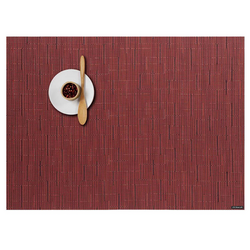
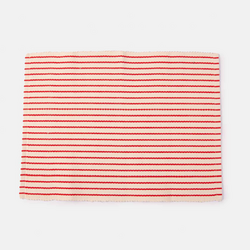
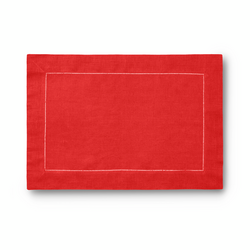
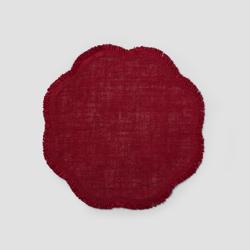
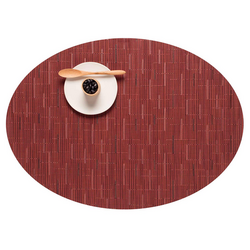
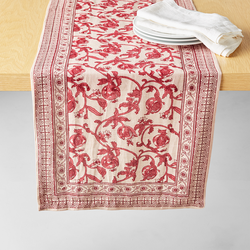
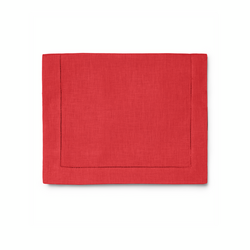
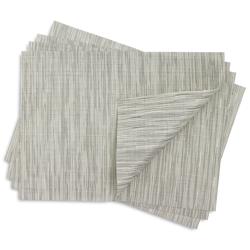
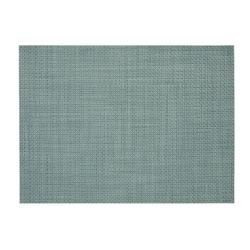
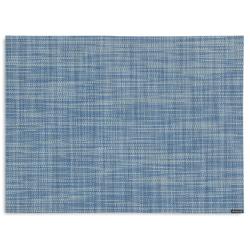
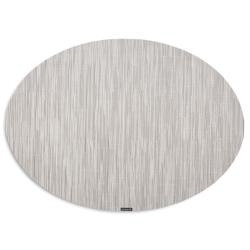
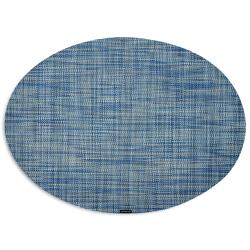
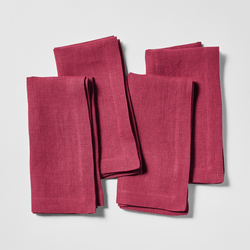
Red table mats bring color to the table in a way that feels both practical and personal. A mat beneath each plate gives a place setting its own space, adds contrast against the tabletop and helps catch the small spills and crumbs that come with sharing a meal. Red can take that setting in several directions: a clear, bright shade looks lively beside white dishes, while brick, cranberry and deeper wine tones create a more subdued backdrop. The effect depends as much on texture as color. A softly woven surface feels relaxed beneath an everyday bowl, while a smooth finish or neatly defined border gives simple dinnerware a more tailored look. For a table that already has plenty of pattern, solid red placemats can provide a welcome point of consistency. On a plain wood or neutral-colored table, patterned mats introduce detail without covering the entire surface. Pairing red with cream, natural linen tones or warm wood keeps the palette grounded; navy and charcoal offer stronger contrast. There is no need to match every element exactly. A red detail in a napkin or serving bowl can be enough to connect the place settings, leaving the rest of the table uncomplicated. These mats work just as well for a quick breakfast at the kitchen counter as for a dinner where everyone settles in for another helping. They also make it easy to dress individual seats rather than commit to a full tablecloth, especially when the tabletop itself is part of the room’s appeal. For households that use the same dishes every day, changing the mats can give those familiar pieces a different character. The most useful choice is one that suits both the way the room looks and the way meals actually happen, whether that means a neatly set dining table or a pair of places cleared between homework and supper.
Material makes a noticeable difference in how red table mats look, feel and hold up to regular use. Cotton and linen bring softness and visible texture, with variations in the weave that can make even a single color feel layered. Depending on their construction and care instructions, fabric mats may be washable, though some need reshaping or ironing to regain a crisp appearance. A more relaxed finish can be equally appealing at an informal table, where a little texture belongs alongside everyday dishes. Woven synthetic materials and coated surfaces may offer simpler wipe-clean care, a useful consideration when tomato sauce, sticky jam or a tipped spoon is part of the routine. Natural-fiber mats often have a distinctive texture, but open weaves can allow crumbs and liquids to reach the surface underneath. Tightly woven or solid designs may contain everyday messes more effectively, although no material should be assumed waterproof without checking its specifications. Construction matters, too: secure hems, even edges and a surface that lies flat help a mat stay comfortable in use and look tidy through repeated meals. Colorfastness is worth considering with a saturated shade such as red, particularly if the mats will rest on a pale tablecloth or a light-colored finish. Follow the care label, including any instructions to wash separately, and avoid leaving a damp mat against the tabletop. Blot spills promptly rather than rubbing them deeper into a fabric weave, and allow cleaned mats to dry fully before stacking or putting them away. A placemat is also not automatically a heat barrier. Unless it is specifically rated for that purpose, use a suitable trivet beneath hot cookware and serving dishes. For a broader look at materials and finishes, explore
High Quality Table Mats with the same attention to construction, care requirements and the kinds of meals they will support. Durable table mats are not simply the thickest or stiffest ones; they are the ones whose material and maintenance fit comfortably into daily life.
Fit deserves just as much thought as fabric or color. A red placemat should give the dinner plate a comfortable border, with enough room for the intended flatware arrangement and sufficient space between neighboring settings. Before choosing a size, consider the plates used most often rather than measuring only the tabletop. A generously sized dinner plate can overwhelm a small mat, while an oversized mat may crowd a narrow table or leave too little space for shared dishes. Round mats can echo round dinnerware and may sit comfortably around a circular table; rectangular shapes create a clear place setting and often leave more room beside the plate for a knife and fork. Neither shape is limited to one table style, but the proportions should feel balanced when every seat is in use. At a breakfast bar, a slimmer footprint can help keep a setting contained without extending over the edge. On a dining table, leave useful room through the center for a salad bowl, bread basket or water pitcher rather than letting the mats occupy every inch. Surface texture also affects the experience: pronounced ridges can make a small glass less steady, and a mat that slides easily may be frustrating beneath a child’s plate. Think about storage before settling on a style, especially when dining space is limited. Some mats stack neatly in a drawer, while others need to lie flat to avoid curled edges; folding or rolling should depend on the material’s care guidance. For frequent hosts, coordinating mats offer a simple way to make several place settings feel considered without requiring elaborate decoration. For a smaller household, just a few can make everyday meals feel more intentional. Red table mats can also be a thoughtful housewarming or wedding gift for someone whose kitchen includes warm accents or colorful dinnerware. Choose with the recipient’s table size and preferred care routine in mind, favoring a practical fit over an exact decorative match. With the right balance of color, scale and easy upkeep, they become useful parts of the table rather than pieces saved only for company.