-
(4)
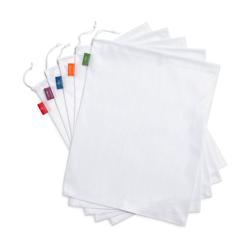
A set of 5 clear, durable polyester produce bags to keep your groceries fresh and organized.
Pros: keeps vegetables fresh longer, washable, extends vegetable life
-
(8)
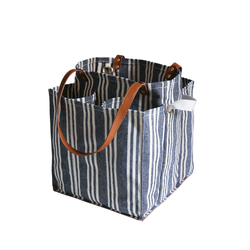
A blue natural fiber tote with seven compartments, a vegan leather base, and an exterior flower loop.
Pros: sturdy, compartments, quality
-
(9)
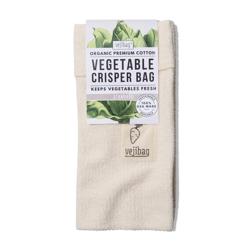
A reusable, organic cotton bag that keeps vegetables moist and crisp for up to two weeks.
Pros: effectiveness, easy to use, freshness preservation
-
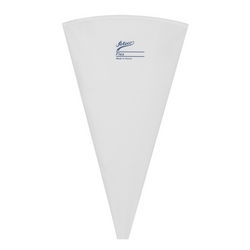
A durable and reusable white pastry bag, perfect for frosting cakes, cupcakes, and cookies.
-
(140)
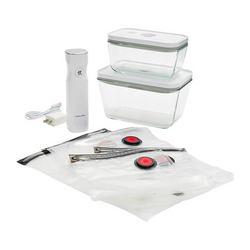
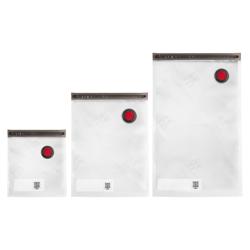
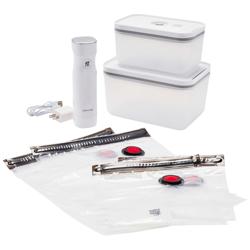
A set of 20 clear vacuum bags that keep food fresh up to five times longer.
Pros: easy to use, long battery life, keeps food fresh longer
-
(7)
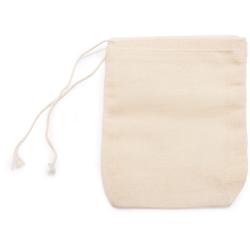
A set of 12 versatile, all-natural spice bags with drawstring tops for flavoring sauces or creating bouquet garnishes.
Pros: suitable for hard spices, durability, works great
Reusable Bags
If you're looking for a reusable bag option that will help reduce your environmental footprint, you've come to the right place. These bags are designed to be a sustainable option for storing and transporting items, and they come in a variety of styles to meet all your needs. Here are some great options.
Reusable Bags
FAQ List
Reusable bags are eco-friendly bags that can be used repeatedly, reducing waste and saving money in the long run. They are an alternative to single-use plastic bags and come in a variety of materials, sizes, and styles.
Reusable storage bags are a type of reusable bag that can be used to store food and other household items. They are made with durable materials and are designed to withstand frequent use.
Using reusable bags is an easy way to reduce plastic waste and protect the environment. By choosing to use reusable bags, you can help to reduce the amount of plastic that ends up in landfills and oceans.
Reusable bags can be cleaned using soap and water or by putting them in the washing machine. Be sure to follow the care instructions for the specific type of bag you have.
While reusable bags may be more expensive upfront, they can save you money in the long run as they can be used repeatedly. Additionally, many stores offer discounts for customers who bring their own reusable bags.
-
"Great food storage! Better than a ?pop? top, nothing to break, quiet, tiny, neat"
-
"Great products from Zwilling and best place to buy if you can find the deals"
-
"Great food storage! Better than a ?pop? top, nothing to break, quiet, tiny, neat"
-
"Love knowing they are sealed"
-
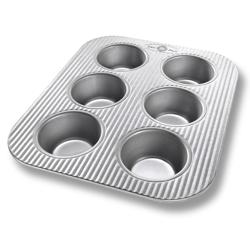
"I love the pan, I had tried the gold tone muffin pan at Williams Sonoma and the muffins stuck"