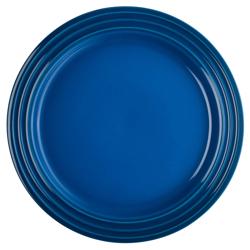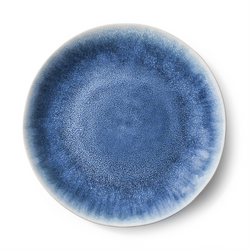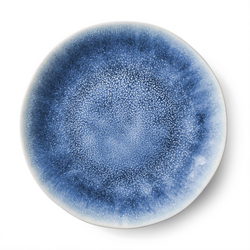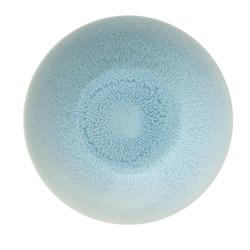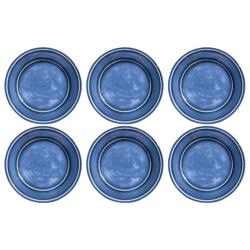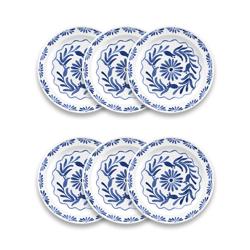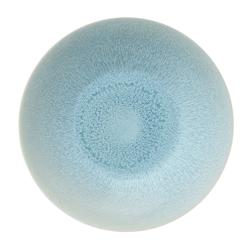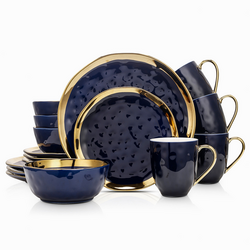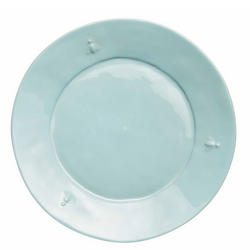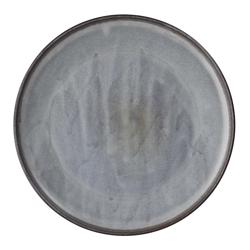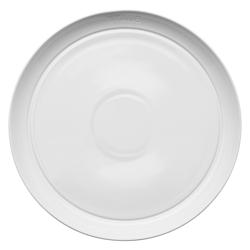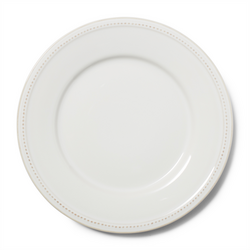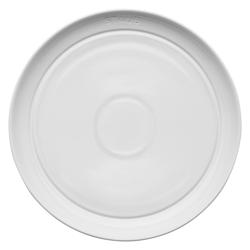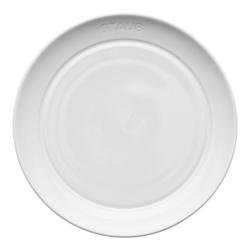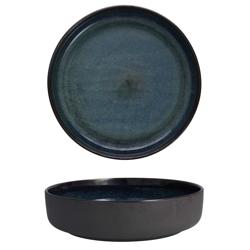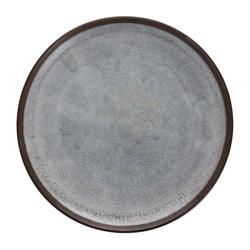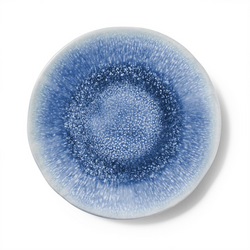
Round blue plates bring an easy sense of color to the table without making the setting feel overly formal. Depending on the material and finish, they can shift from relaxed everyday dinnerware to a polished foundation for celebrations, outdoor meals and seasonal gatherings. Deep navy and cobalt shades create a rich backdrop for roasted vegetables, grilled foods and creamy pasta, while pale blue, denim and dusty blue tones feel lighter and more casual. A glazed ceramic or stoneware plate adds warmth and visual texture, especially when subtle variations in color give each piece an individual, handcrafted look. Porcelain tends to offer a smoother, more refined appearance with a lighter feel in the hand, making it well suited to dinner parties or a table that moves easily from weekday meals to special occasions. Plastic plates can be a practical choice for patios, picnics and busy households, particularly when durability and easy cleanup matter most. Disposable paper plates are useful for larger gatherings when convenience is the priority, and blue makes them feel more considered than basic white without requiring a great deal of decorating. When choosing round blue plates, start with how they will be used most often. Everyday plates should feel comfortable to lift, stack neatly and stand up to regular washing. For entertaining, consider the color intensity, finish and whether the plates coordinate with serving pieces, glassware and linens already in your kitchen. Blue pairs naturally with white, natural wood, woven textures and brushed metal, so it is easy to build a welcoming table without matching every element exactly. If you prefer a quieter setting, combine blue plates with neutral bowls and serving platters, including
White Plates for contrast. For a more collected look, layer several shades of blue or mix a patterned accent plate with solid dinnerware while keeping the overall palette consistent.
Size is another important consideration, particularly when round blue plates will serve as the main dinnerware for a household. Dinner plates commonly measure around 10 to 12 inches in diameter, providing room for a complete meal while leaving enough space around the food to keep the presentation neat. Smaller salad or dessert plates are generally easier to handle for children, snacks and lighter meals, and they can be layered over larger plates to add depth to a place setting. A broad rim frames the food and gives the table a more classic appearance, while a coupe shape—with a gently curved edge and no pronounced rim—offers a modern look and a generous usable surface. Pay attention to the plate’s weight and profile as well. Heavier stoneware can feel substantial and keep food warm a little longer, but slimmer porcelain may be preferable when cabinet space is limited or when plates need to be carried from the kitchen to the table frequently. Stackability is especially useful in smaller kitchens, where a tidy, stable pile makes daily meals easier. Check care instructions before buying, since dishwasher- and microwave-safe construction can simplify everything from reheating leftovers to handling cleanup after a full table. Some finishes may show utensil marks more readily than others, while hand-finished surfaces can have natural variations in color or texture. Those details are not necessarily flaws; they are often part of the character that makes the table feel personal. For outdoor use, look for options designed to resist chips, breaks or light impacts, and reserve more delicate plates for indoor dining. If the plates are intended for a party, count the number of guests, then consider adding a few extras for seconds, unexpected visitors or replacements. A set that works for four may be perfect for a small household, while larger quantities are more convenient for family dinners, showers, reunions and neighborhood meals.
Round blue plates are also a thoughtful gift for someone setting up a first kitchen, refreshing a dining collection or moving into a new home. Their color is distinctive enough to feel special while remaining versatile across changing décor, which makes them a practical choice for a wedding, housewarming or graduation gift. They can suit a cook who enjoys presenting food as much as preparing it, a host who likes to change the table with the seasons or anyone who wants everyday meals to feel a little less routine. Blue dinnerware works particularly well with the broad transition from warm-weather dining to cooler months: use it outside with linen napkins and simple serving boards when the weather is mild, then bring the same plates indoors alongside candles, heavier textiles and hearty dishes. A blue plate can make a tomato tart look brighter, give golden cornbread a crisp visual edge or turn a simple bowl of soup into a comforting meal with a sense of occasion. For families, durable options make sense for breakfasts, packed lunches and weeknight dinners, while more polished materials can elevate a table for guests without feeling precious. Before adding a new set, compare its color with the room’s existing accents and think about storage, care and the number of place settings you need. Look for plates that feel balanced in your hand, have an edge that is comfortable to hold and offer enough surface area for the foods you serve most often. Whether the goal is a complete blue table setting, a few colorful accents or dependable plates for casual entertaining, round blue plates offer a simple way to bring depth, warmth and personality to everyday dining.