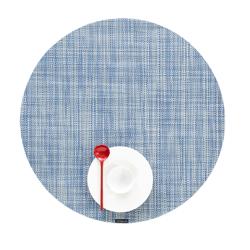
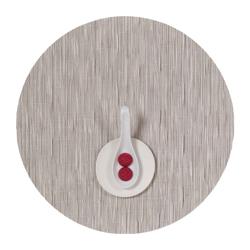
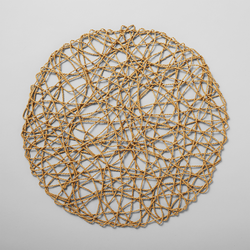
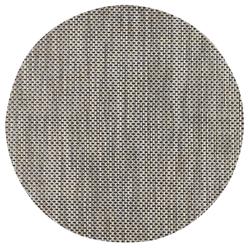
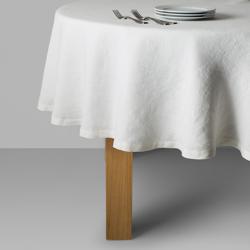
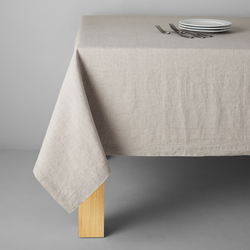
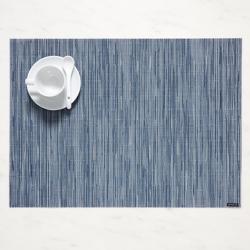
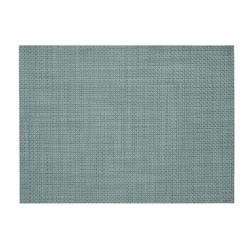
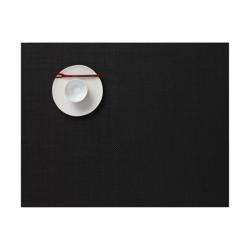
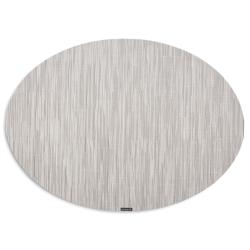
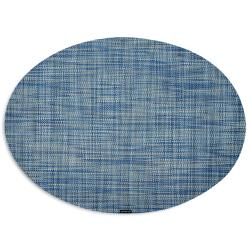
Round linens bring a soft edge to the table, whether you’re setting out breakfast for two or making room for a leisurely dinner with friends. A round tablecloth follows the curve of a circular table, creating an even backdrop for dinnerware without corners hanging farther down on some sides than others. Round placemats offer a smaller layer of coverage, framing individual place settings while leaving the tabletop visible. Both can help a dining space feel more considered without making it feel formal. Picture a textured cloth beneath everyday stoneware, or woven circular mats that let the grain of a wood table show between plates. The shape works especially well where people gather closely, such as a kitchen nook or a compact dining area, because each setting can follow the table’s curve. It also has a place beyond round tables: circular placemats can soften the straight lines of a rectangular dining table and break up a setting filled with angular dishes. Choosing between full coverage and individual mats comes down to how you use the space. A tablecloth gives the entire surface a consistent look and can conceal a tabletop that has seen years of family meals. Placemats are easy to set out for a quick lunch and remove when the table becomes a spot for homework or a shared puzzle. For dinners that stretch into conversation, a cloth and neatly arranged napkins create a welcoming foundation without requiring an elaborate centerpiece. Color and texture can do much of the decorating. Soft neutrals let colorful food and patterned plates stand out, while deeper shades give white dinnerware a crisp outline. During the cooler months, a more substantial weave can feel right at home alongside warm bread, roasted vegetables and candlelight. The most useful round table linens suit the meals you actually serve and the atmosphere you enjoy, from relaxed weekday suppers to gatherings that call for a little extra attention.
Material makes a noticeable difference in how round linens look, feel and fit into your routine. Although “table linens” describes the category, not every piece is made from flax linen, so the fiber content is worth checking. Cotton often has a soft, familiar hand and works well for everyday dining when its care requirements match your habits. Flax linen brings distinctive texture and a relaxed drape, with natural creasing that can be part of its appeal. Blended fabrics may balance softness with easier care or greater resistance to wrinkles, depending on their construction. Woven placemats can add dimension, but their fibers and backing determine whether they can be washed, wiped or spot cleaned. A tighter, flatter surface generally makes it easier to brush away crumbs, while an open weave may need more attention after a meal with flaky pastry or crusty bread. Fit matters just as much as fabric. For a round tablecloth, measure the tabletop’s diameter, then add twice the drop you want below the edge. A table measuring 48 inches across, for example, needs a cloth measuring 68 inches in diameter for a 10-inch drop on every side. A shorter drop is often practical for frequent meals, especially where chairs sit close to the table or children climb into their seats. A longer drop creates a dressier effect, though it should leave guests comfortable and avoid interfering with chair arms or laps. Check the relationship between the cloth, the chairs and the table base rather than relying on the tabletop measurement alone. With round placemats, allow enough room for the dinner plate and consider where utensils and glasses will sit. On a smaller table, oversized mats can overlap or crowd the center, leaving little space for serving dishes. If you’re comparing shapes for another dining area,
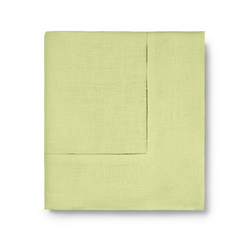
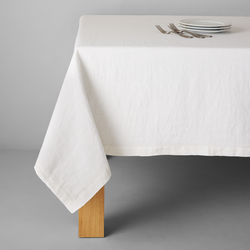
square linen tablecloths offer a different fit for square tabletops. Matching the linen’s shape and proportions to the furniture helps the finished setting feel comfortable rather than crowded.
Care and construction are especially important for linens that will see regular use. Even stitching, neatly finished edges and a stable weave are useful details to look for, particularly around a round tablecloth’s curved hem. A hem that lies flat gives the cloth a cleaner outline, while secure edges help placemats hold up to repeated handling. Always follow the care label, since washing temperature, drying method and stain treatment vary by fiber, finish and decorative detail. Washable does not necessarily mean suitable for every cycle or high heat, and natural fibers may shrink if handled incorrectly. After a spill, blot promptly rather than rubbing liquid farther into the fabric, then use a treatment appropriate for the material. Letting a sauce stain sit through several meals makes cleanup more difficult, so it helps to choose everyday linens that can move easily into your laundry routine. For a smoother tablecloth, removing it promptly from the dryer, when tumble drying is permitted, can reduce settled-in wrinkles. Iron only as directed, and store linens clean and fully dry. Rolling flexible placemats or storing them flat, depending on their construction, can help prevent unwanted creases. Remember that a decorative linen layer is not a substitute for a trivet beneath hot cookware, and a cloth may not keep moisture from reaching the table below. Use suitable protection for hot serving dishes and wipe up spills promptly, especially on wood surfaces. These practical considerations also make round linens a thoughtful gift for someone settling into a new home, refreshing a breakfast nook or enjoying more meals around the table. Knowing the recipient’s table shape, dimensions and preferred care routine makes the choice more personal and more likely to become part of everyday life. An easy-care texture may suit a busy household, while someone who enjoys pressing napkins and arranging flowers may appreciate a cloth with a more tailored finish. Whether chosen for daily use or occasional hosting, round linens earn their place by making the table feel inviting while fitting comfortably into the way a household cooks, gathers and cleans up afterward.