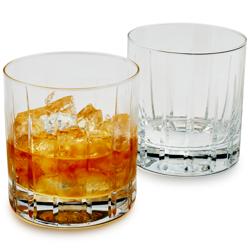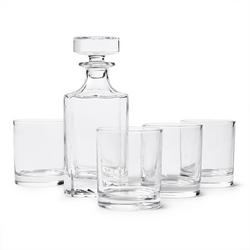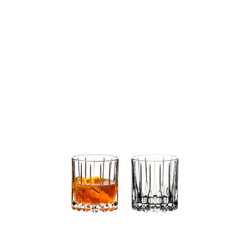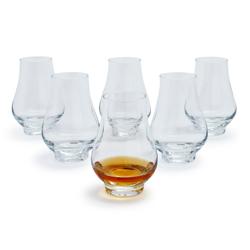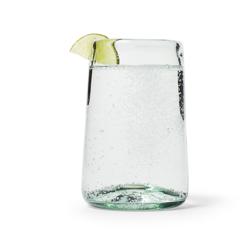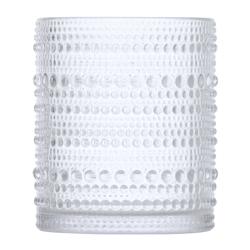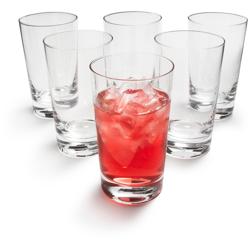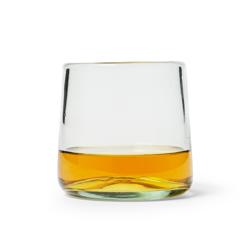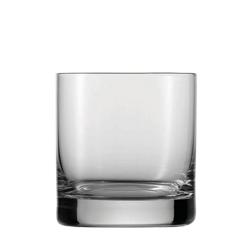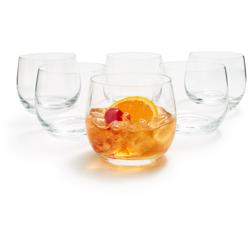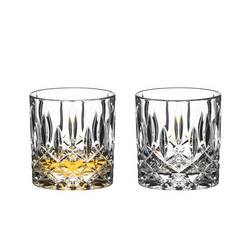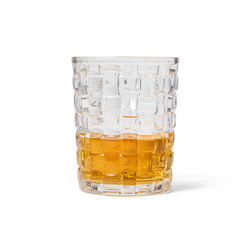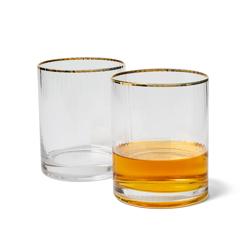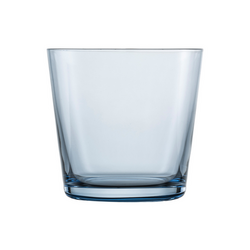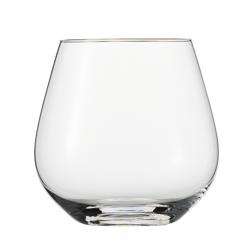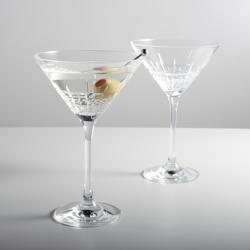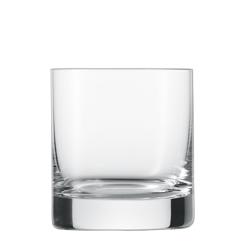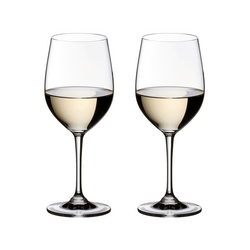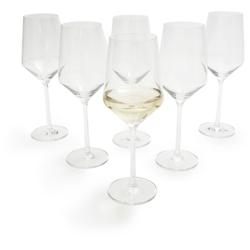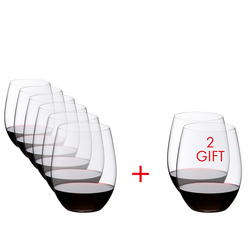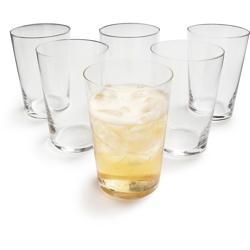
Rum glasses include tulip-shaped glasses for neat sipping, rocks glasses for rum over ice and tall highball glasses for mixed drinks. The best shape depends on how you enjoy your rum: a tapered rim helps gather aromas, a broad tumbler accommodates ice and a tall glass leaves room for mixers and garnishes. Rum can range from light, grassy and fruit-forward to rich with oak, vanilla or toasted spice, depending on its ingredients, production and aging. A glass does not change those ingredients, but its shape can influence how you encounter the aromas and take each sip. For tasting rum neat, a rounded bowl with a narrower opening gives a small pour room to swirl while directing its fragrance toward the nose. Leave plenty of space above the liquid rather than filling the bowl to its widest point. With higher-proof rum, approach the rim gently instead of putting your nose deep into the glass, where alcohol vapors can overwhelm subtler notes. A short stem offers a place to hold the glass without cupping the bowl, while a stemless shape may feel more familiar for relaxed sipping. For rum on the rocks, look for a low, comfortably weighted tumbler with enough width for your preferred ice. A large cube should slip through the opening easily and leave room for the drink to move around it. A heavy base can give the glass a steady, substantial feel, but weight alone does not determine quality or resistance to breakage. Pay attention to the lip as well: a smooth, neatly finished rim is part of what makes a glass pleasant to use. Whether the pour is a favorite aged rum after dinner or a small tasting alongside dessert, comfortable proportions matter more than elaborate decoration.
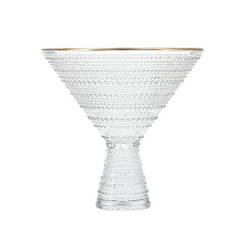
For rum cocktails, choose glassware around the finished drink rather than the spirit alone. A highball glass works well for rum and cola, a mojito or another long drink served with ice and a mixer. Tall sides provide space for bubbles to rise and for mint or a citrus wedge without crowding the rim. Glasses with capacities around 10 to 14 ounces can suit many long drinks, although the right size depends on the recipe and the amount of ice. Capacity includes everything in the glass, not just the liquid, so a drink made with several ounces of ingredients still needs room for cubes. A wider rocks glass is a practical choice for a mai tai or other rum cocktail served over crushed ice, with an opening that makes sipping and arranging a garnish easier. For a daiquiri shaken with ice and strained, a stemmed coupe provides a different experience: its shallow bowl presents the drink without extra ice, and the stem helps keep hands away from the chilled bowl. These distinctions are useful when building a home bar, but a separate glass for every recipe is not necessary. A few versatile shapes can cover neat pours, cocktails and alcohol-free drinks without taking over a cabinet. Consider how those shapes fit the way you entertain. Matching glasses make it easier to serve consistent portions at a dinner party, while a mix of complementary silhouettes can work well for guests choosing different drinks. Clear, undecorated glass shows off the amber color of aged rum and the bright ingredients in a cocktail. Ribbed or cut-style surfaces add texture and catch the light, though deeper patterns can make clarity harder to assess when tasting. For pieces that also work with sparkling water, juice and everyday drinks, the broader
Glass Glasses collection offers another way to think about a coordinated table. Start with the drinks served most often, then consider whether each shape earns its space beyond cocktail hour.
Materials, dimensions and care requirements help distinguish rum glassware that looks appealing from glassware that fits comfortably into daily use. Standard glass is a familiar option for everyday serving, while lead-free crystal is often chosen for its brilliance and the fine rims possible in some designs. Neither a material name nor a delicate appearance tells the whole durability story; construction, rim thickness and handling all matter. Tempered glass, when specified by the manufacturer, is treated for added strength, but it is not unbreakable. Look at the full dimensions as well as the stated capacity. A broad bowl may need more shelf space than expected, and a tall stem may not fit beneath a cabinet shelf or securely in a dishwasher rack. If stacking matters, choose glasses specifically designed for it rather than nesting ordinary tumblers, which can stick together or chip at the rim. For comfortable handling, think about the person using the glass. A substantial rocks glass may feel reassuring in one hand and tiring in another, while a slimmer tumbler can be easier to grip but less accommodating for oversized ice. Care should be just as practical. Check the manufacturer's instructions before placing any glassware in the dishwasher, especially pieces with painted details, metallic rims or fine stems. For dishwasher-safe designs, leave enough space to prevent glasses from knocking against one another and position them securely without forcing them over rack tines. When hand-washing is recommended, use mild dish soap, warm water and a soft sponge, then rinse thoroughly so lingering fragrance does not interfere with the next drink. Avoid sudden temperature changes and dry carefully with a soft, lint-free cloth; never twist a delicate bowl against its stem. Rum glasses also make thoughtful housewarming, wedding or birthday gifts when chosen around the recipient's habits. Someone who enjoys comparing aged rums may appreciate a focused tasting shape, while a frequent host may get more use from versatile tumblers. The most useful choice feels good in the hand, suits the drinks being served and is easy to care for between occasions.