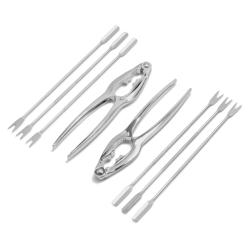
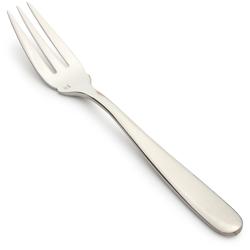
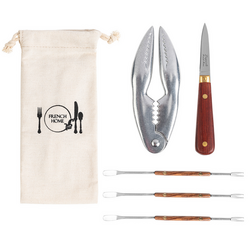
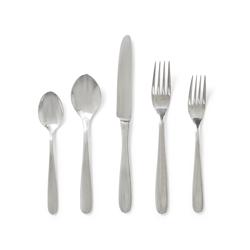
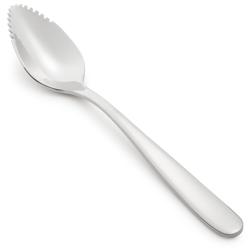
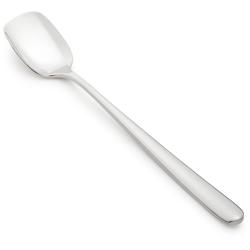
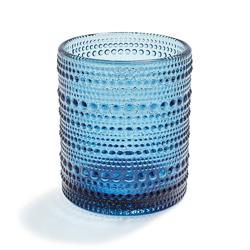
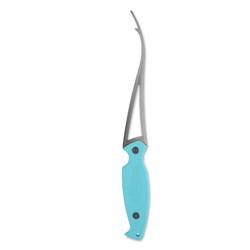
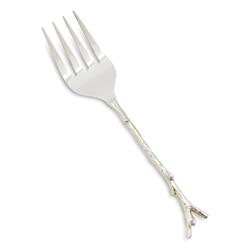
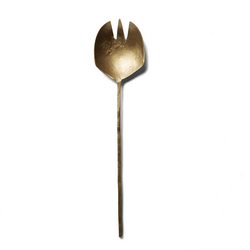
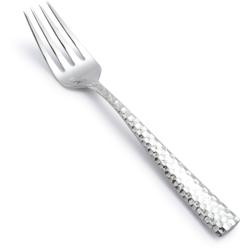
Seafood forks and picks are small, narrow utensils for removing meat from crab, lobster and other shellfish after the shell has been opened. A seafood fork grips tender pieces with slender tines, while a pick reaches into tight spaces that a dinner fork cannot easily access. Some designs combine a fork at one end with a small scoop at the other, giving diners two ways to retrieve delicate meat. These simple tools earn their place beside a platter of cracked crab legs or split lobster tails, where much of the enjoyment comes from taking time over each bite. Their slim shape helps reach meat tucked into joints, narrow legs and the curved interior of a claw without breaking it into tiny pieces. A shallow scoop can follow the inside of an opened shell, while short fork tines help lift a piece onto the plate or toward a dish of melted butter. The distinction between a pick and a cracker matters: picks retrieve meat, while shellfish crackers or suitable kitchen shears do the work of opening hard shells. Using each tool for its intended purpose makes the meal easier and helps protect slender utensils from bending. Different shellfish call for slightly different shapes, too. A long, narrow working end is useful for reaching into a crab leg, while a small fork can provide a secure hold on a bite of lobster. For shrimp cocktail and seafood appetizers, compact forks offer a neat way to lift individual portions without bringing a full-size dinner fork to a small glass or dish. Whether the table holds a shared seafood platter or individual servings, these utensils help diners spend less time working around the shell and more time enjoying the food. They are especially useful for meals where a regular place setting feels too large for the task.
Materials and proportions make a noticeable difference in how seafood utensils feel at the table. Stainless steel is a common choice because it combines strength with corrosion resistance and does not require the same upkeep as silver. A smooth finish should feel comfortable against the fingers, and well-formed tines should be slender enough for precision without feeling flimsy. Stainless steel is corrosion resistant rather than rustproof, so a little attention after contact with salty seafood helps preserve its finish. Handle design is just as important as the working end. Slim, all-metal handles have a straightforward look that pairs easily with everyday flatware, while wider handles or textured gripping surfaces may feel more secure when fingers are damp. Some designs use silicone or other soft grip materials to add traction. The right fit depends on the person holding the utensil as much as the shellfish being served: a handle that feels balanced and easy to turn offers better control than one that requires a tight pinch. Length also deserves attention. Extra reach can help with deeper shells, but a longer utensil should still be comfortable to maneuver over a dinner plate. With double-ended picks, enough space between the two working ends gives the hand a comfortable place to rest. Care requirements vary with construction, particularly when metal is combined with another material. Dishwasher-safe designs can simplify cleanup after a group meal, but the maker’s care directions remain the best reference. Prompt rinsing helps remove butter, seafood juices and salt before they dry, and careful washing around tines, scoops and handle seams keeps small recesses clean. Drying thoroughly before storage helps maintain the surface. Durable seafood forks and picks should stand up to repeated use for their intended task, not twisting open shells or prying stubborn joints apart. Keeping them together in a divided drawer or utensil organizer also makes the smaller pieces easier to find before the next meal.
At a seafood dinner, a few thoughtful details make these small utensils feel like a natural part of the place setting. Giving each diner a fork or pick keeps a shared platter moving without the interruption of passing tools around. A shell bowl within reach, generous napkins and individual dishes for butter or sauce help keep the table comfortable rather than fussy. For a casual crab feast, practicality comes first: utensils that are easy to grip, easy to distinguish from discarded shells and simple to clean suit the hands-on nature of the meal. For a plated lobster dinner, a more streamlined shape can sit neatly alongside the rest of the flatware without crowding the setting. Seafood forks also have uses beyond a full shellfish meal. Their compact size works well with small seafood salads, marinated bites and individual appetizers, provided the shape suits the food being served. For olives, cheese cubes and other bites on an appetizer spread,
Party Forks are a related option worth considering alongside utensils designed specifically for reaching into shells. Building a useful collection is less about matching every piece perfectly and more about having enough comfortable tools for the way people gather. A couple who enjoy an occasional lobster dinner may have different needs from a host who regularly sets out large platters of crab. Consistent handle sizes and shapes can make a group setting feel cohesive, while a mix of fork and scoop ends accommodates different preferences at the same table. Seafood forks and picks can also make a thoughtful gift for shellfish enthusiasts, frequent hosts or home cooks who enjoy recreating a favorite restaurant meal. Paired with shellfish crackers, small dipping dishes or sturdy napkins, they contribute to an experience the recipient already loves. Their appeal is practical and lasting: a modest addition to the flatware drawer that makes a particular kind of meal noticeably easier to enjoy.