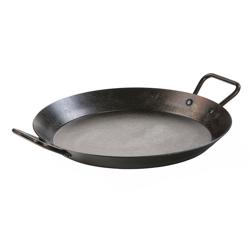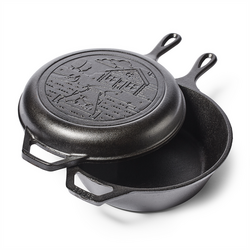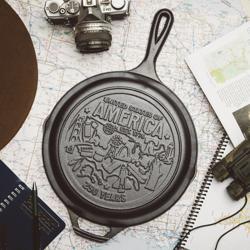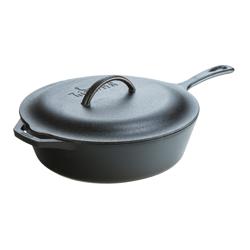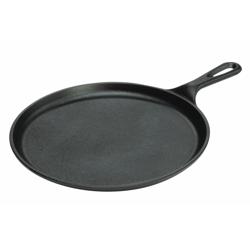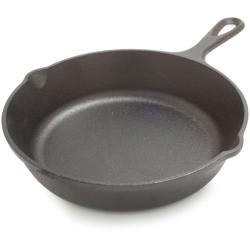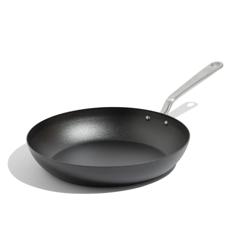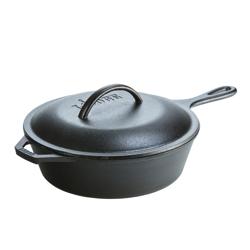
Seasoned cookware brings together durable materials, practical performance and the kind of character that improves with use. Most seasoned pieces are made from cast iron or carbon steel and finished with a baked-on layer of polymerized oil. This natural coating helps create an easy-release cooking surface while protecting the metal from rust. With regular cooking and thoughtful care, the seasoning can become smoother and more resilient over time. These pans are especially useful for searing steaks, browning chicken, frying eggs, sautéing vegetables and baking golden cornbread. They hold heat steadily, making them well suited to recipes that move from the stovetop to the oven, and their ability to retain warmth can help keep food inviting at the table. Cast iron is typically heavier and exceptionally good at maintaining an even temperature, while carbon steel offers a lighter feel and responds more quickly when the heat changes. When choosing seasoned cookware, consider the weight you will be comfortable lifting, the diameter that fits your burners and the amount of food you usually prepare. A broad cooking surface is helpful for browning several pieces without crowding, while a smaller pan can be convenient for eggs, individual portions or compact kitchens. Look for a comfortable handle, a helper handle on larger pieces and a shape that leaves enough room to reach a spatula or turner into the corners. Seasoned cookware is often oven safe and can be used on many stovetops, including induction, but it is wise to check the care and compatibility information for each piece. During warmer weather, it can handle quick seared vegetables, skillet cornbread and grilled side dishes; as cooler months arrive, it becomes a dependable choice for roasted dinners, baked fruit and hearty meals served straight from the oven. For cooks who appreciate tools that develop a personal history—the darker finish, the familiar weight and the marks of favorite meals—seasoned cookware has a lasting appeal. It can also make a thoughtful gift for a first apartment, a newly equipped kitchen or anyone ready to build confidence with classic cooking techniques. Pairing it with a trusted turner, heat-resistant handle cover or kitchen towel can make the gift feel especially useful, while a home cook who enjoys heirloom-quality tools may also appreciate exploring
Artisan Cookware.
Pre-seasoned cookware is ready to use, although the surface will continue to improve as you cook with it. To build or refresh the seasoning at home, start by washing the cookware with warm water and a small amount of mild dish soap, then dry it completely. Rub a very thin layer of a high-smoke-point oil, such as canola or vegetable oil, over the interior, exterior and any exposed edges. The key is to use less oil than expected: buff the surface with a clean cloth until it looks nearly dry rather than glossy or wet. Place the cookware upside down in an oven heated to 450°F to 500°F, positioning a sheet of foil or a baking sheet on a lower rack to catch any drips. Bake for one hour, then turn off the oven and let the cookware cool inside. Depending on the condition of the surface, this process can be repeated to create a more even finish. Some carbon steel cookware may be seasoned on the stovetop according to its care instructions, especially when the shape or handle is not designed for oven use. The best way to strengthen the coating is simply to cook often. Foods prepared with a little cooking oil—such as sautéed onions, roasted potatoes, burgers or fried chicken—help reinforce the surface through regular use. New seasoning may look uneven or mottled at first, and that is normal; consistent thin layers are more useful than a thick, sticky coating. Avoid leaving the cookware empty over high heat for long periods, since extreme heat can damage the seasoning or cause thin carbon steel to warp. It is also best to limit lengthy cooking with highly acidic ingredients, including tomatoes, vinegar or wine, until the seasoning is well established. Brief simmering is generally less concerning, but extended acidic cooking can dull the finish and may give food a metallic taste.
Cleaning seasoned cookware is straightforward when it is done soon after cooking. While the pan is still warm—not dangerously hot—remove food residue with a brush, pan scraper or soft scrubber and hot water. Mild soap is safe to use and can be helpful after cooking foods that leave behind grease or strong flavors. Stubborn residue can be loosened by adding a little coarse salt and water, then gently scrubbing before rinsing. Do not soak the cookware for long periods or place it in the dishwasher, as prolonged moisture and harsh detergents can strip the protective coating and encourage rust. Dry every surface thoroughly with a towel, then set the cookware over low heat for a few minutes to evaporate any remaining moisture. If the surface looks dry, rub on a very thin film of oil and buff away the excess before storing. The pan should feel smooth and almost dry to the touch, never tacky. Store it in a dry cabinet with the lid slightly ajar, a folded towel between nested pieces or enough space for air to circulate. Small rust spots do not necessarily mean the cookware is ruined: scrub away the rust, rinse and dry well, then restore the surface with one or more thin seasoning layers. With this simple routine, seasoned cookware can become an everyday favorite for crisp-edged potatoes, deeply browned vegetables, warm desserts and one-pan meals. It rewards attention without demanding much time, and each use adds to the reliable cooking surface that makes these pieces so useful from one season to the next.