-
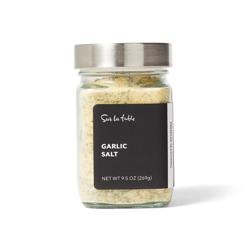
A savory blend of sea salt, garlic, onion, and parsley in a white glass jar for versatile seasoning.
-
(1)
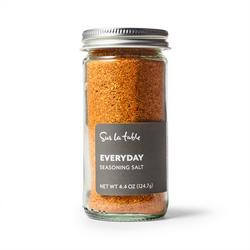
A savory orange spice blend with salt, pepper, herbs, and smoky notes for meats and roasts.
Pros: taste
-
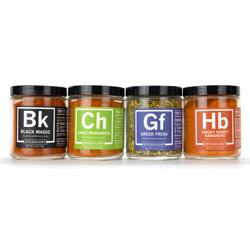
A set of 4 BBQ rubs, including Black Magic, Chile Margarita, Greek Freak, and Smoky Honey Habanero, perfect for grilling enthusiasts.
-
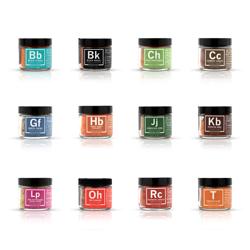
A versatile set of 12 mini jars featuring Spiceology's popular spice blends for various dishes.
-
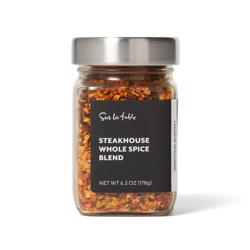
A savory blend of 14 spices to elevate any flame-cooked meal, perfect for backyard barbecues.
-
(2)
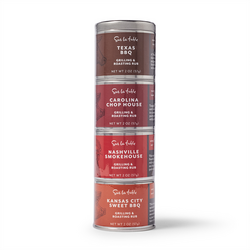
A set of flavorful BBQ rubs in various styles to enhance the taste of your grilled meats and veggies.
Pros: positive feedback, variety of flavors
-
A versatile orange seasoning blend with smoky paprika, onion, garlic, and rosemary for any dish.
-
(5)
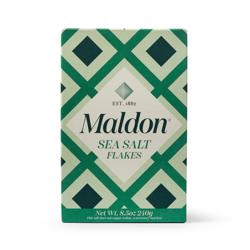
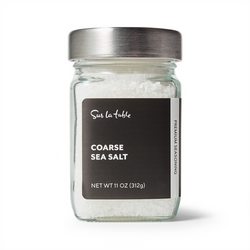
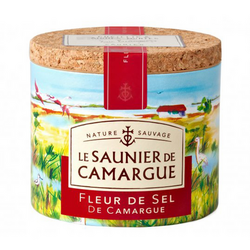
A large-grain sea salt that enhances the flavors of your favorite recipes during cooking or at the table.
Pros: good quality, fresh ground salt, enjoyment
-
(4)
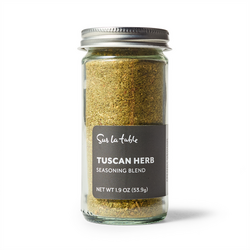
A flavorful Tuscan Herb Seasoning blend with basil, oregano, garlic, and thyme, perfect for lamb, pasta, and veggies.
Pros: flavor, versatility, excellent for dipping
-
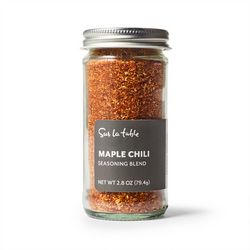
A sweet and spicy Maple Chili Seasoning Blend with smoky paprika and ancho chili pepper for flavorful dishes.
-
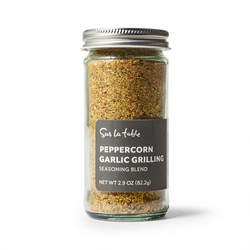
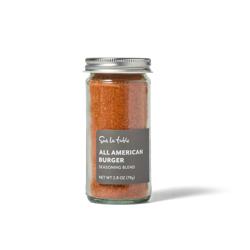
A copper-hued, smoky spice blend featuring garlic, onion, peppercorn, and cayenne for versatile seasoning.
-
(9)
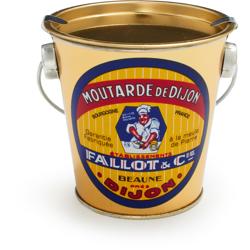
A robust, artisanal Dijon mustard from France, perfect for enhancing a variety of dishes.
Pros: taste, complex flavor, quality
-
(3)
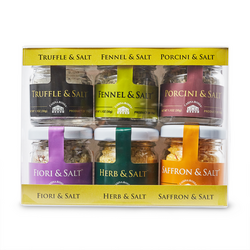
A set of 6 artisan sea salts with unique flavors, perfect for gifting or elevating any dish.
Pros: ease of use, variety (truffle and porcini), suitable as hostess gift
-
(1)
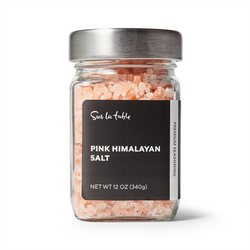
A nutrient-rich pink salt perfect for enhancing the flavor of grilled meats, seafood, and veggies.
Pros: delicious
-
(1)
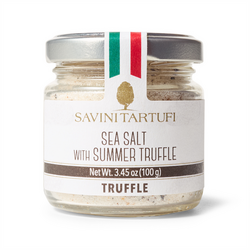
A preservative-free truffle salt from Savini Tartuffi adds rich flavor to meats, fish, and eggs.
Pros: versatility, truffle flavor
-
(3)
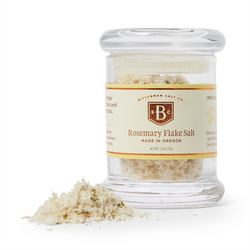
A rosemary-infused flake salt that adds savory seasoning to dishes with a satisfyingly crunchy texture.
Pros: enhances dishes, seasoning, adds flavor
Seasoning For Pork
When it comes to cooking pork, there are a lot of options. You can roast it, braise it, or fry it. You can make it with or without fat. You can use a whole hog or just the chops. And you can season the meat with salt and pepper or with a spice rub. But no matter how you prepare it, pork is one of the most versatile meats in the kitchen. Here are some great options for seasoning that you can use on pork.
Seasoning For Pork
FAQ List
Common seasonings for pork include garlic, paprika, cumin, rosemary, thyme, and chili powder.
Yes, you can use the same seasoning for different cuts of pork. However, it's important to consider the cooking method and adjust the amount of seasoning as needed.
Yes, there are gluten-free seasonings available for pork. Look for seasonings that are labeled as gluten-free or check the ingredients list for any potential sources of gluten.
A dry rub is a mixture of spices and seasonings that is rubbed onto the surface of the meat, while a marinade is a liquid mixture that the meat is soaked in. Dry rubs are typically used for slow-cooked meats, while marinades are used for grilling or roasting.
The shelf life of seasonings for pork varies depending on the type of seasoning and the storage conditions. Generally, dry seasonings can be stored for up to 2 years, while liquid seasonings should be used within a few months. Store seasonings in a cool, dry place away from heat and moisture.
-
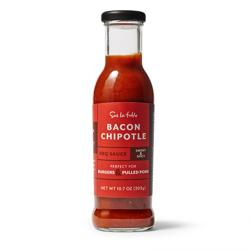
"My family absolutely LOVE this bbq sauce. My daughter says "It's the BEST!!!""
-
"Love to sprinkle it on things, especially brownies , chocolates, etc. : looks great but doesn't add too"
-
"This is the best salt I have ever used. The taste is phenomenal"
-
"Love this Tuscan Spice!!! Used in scrambled eggs with Vella Italian cheese this morning"
-
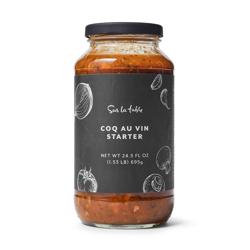
"I makes it with chicken breasts and it tasted great"