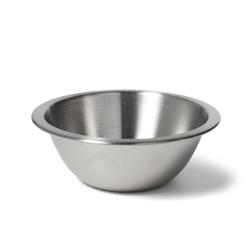
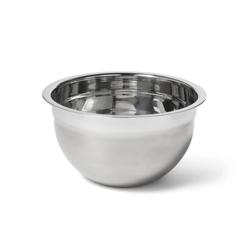
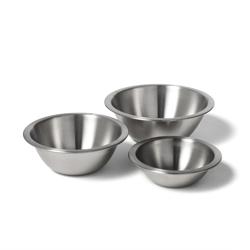
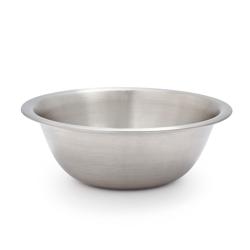
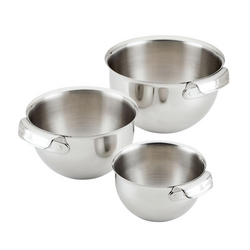
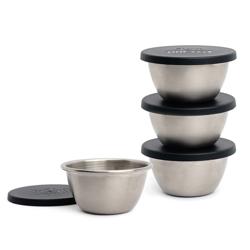
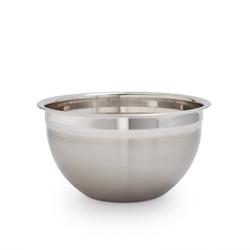
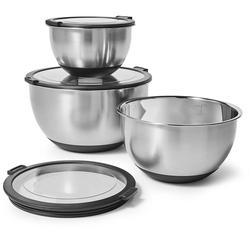
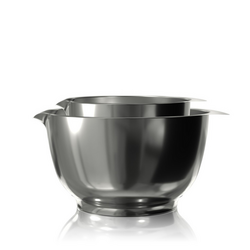
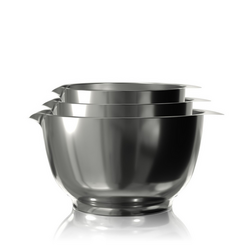
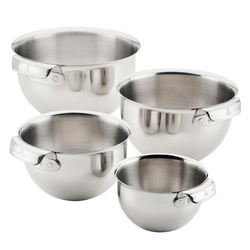
Silver bowls range from practical stainless steel mixing bowls to silver-plated or sterling silver serving pieces. The word silver may describe the color, the finish or the metal itself, so the material description matters more than appearance alone. In the kitchen, stainless steel is valued for its resistance to rust, everyday durability and relatively light weight. On the table, a silver-colored surface offers a neutral backdrop that works with everything from crisp white dinnerware to patterned plates. It catches the light without adding another color to the setting, letting the green of a leafy salad or the deep red of fresh berries stand out. Polished finishes have a bright, reflective appearance, while brushed finishes offer a softer look that can make fingerprints less noticeable. Hammered textures add visual interest, though a textured surface is not necessarily thicker or more durable than a smooth one. The shape makes just as much difference as the finish: a broad, shallow bowl displays a composed salad, while a deeper shape keeps rolls or tossed greens comfortably contained. Silver serving bowls also have a long association with traditional entertaining, but simple shapes feel equally at home beside everyday stoneware and linen napkins. Pairing silver finishes with
Blue Bowls adds contrast without making the table feel overly coordinated. A silver-toned bowl can serve as the quiet connection between different dishes, glassware and serving utensils, especially when the rest of the setting includes several colors or textures. That flexibility makes the category useful for casual shared meals as well as more carefully arranged gatherings. The most practical choice is not necessarily the most decorative one; it is the bowl whose material, proportions and finish suit the way it will be used. A bowl carried from the kitchen to the table has different demands than one used mainly for whisking dressings or holding fruit on a counter.
For food preparation, a bowl needs enough room for movement, not just enough capacity to contain the ingredients. A salad that fits neatly before tossing may need considerably more space once the tongs go in, and folding flour into batter is easier when there is room above the mixture. Deep sides help contain splashes when whisking, while an open shape gives hands and utensils easier access for tossing or combining ingredients. A rounded interior can make it easier to sweep a spatula around the bottom without leaving pockets of unmixed flour. Stability matters, too: a well-balanced base helps a bowl stay settled while stirring, and a nonslip base may be useful on a smooth countertop. Any added base material can affect cleaning and heat compatibility, so those details deserve attention alongside the bowl’s main construction. Stainless steel is generally nonreactive and well suited to many everyday mixing tasks, but a silver appearance alone does not establish that a bowl is appropriate for food contact. Decorative finishes and silver plating can have different restrictions, particularly with acidic or salty foods, and the manufacturer’s intended use should take priority. Serving needs bring another set of considerations. A wide bowl gives guests easy access to a shared side dish, while a compact footprint leaves more room for plates and glasses on a smaller table. A pedestal or footed base adds height but may make a bowl less convenient to nest or store. For anyone carrying dishes between a kitchen and dining area, the weight when full matters more than the weight when empty. A substantial bowl can feel steady on the table yet become cumbersome when filled with pasta or potatoes. Capacity measurements are useful, but the usable serving space, rim shape and overall dimensions help explain how a bowl will fit into daily routines. Cabinet depth, dishwasher clearance and the size of the sink are worth considering, particularly for larger mixing and serving bowls.
Care requirements can be the deciding factor between a bowl that becomes part of the daily rotation and one reserved for occasional use. Stainless steel is often straightforward to maintain, although dishwasher compatibility depends on the complete construction, including coatings, decorative details and attached bases. Washing with mild dish soap, rinsing thoroughly and drying promptly helps limit water spots and keeps the surface looking clean. Abrasive pads can scratch polished finishes, and scratches may become part of the appearance of a frequently used mixing bowl. Silver-plated and sterling silver pieces generally call for a different routine, with gentle cleaning and polishing suited to the material. Plating can wear over time, particularly with aggressive polishing, so more scrubbing is not necessarily better. Tarnish on genuine silver is different from an ordinary food stain and should be treated with an appropriate silver-care method rather than a general-purpose abrasive cleaner. Following the maker’s instructions is especially important when a bowl combines metal with another material. Nesting bowls with a soft layer between them can help protect decorative surfaces, while thoroughly drying each bowl before putting it away prevents trapped moisture. Metal bowls should not go in a microwave, and oven, freezer or direct-heat use should never be assumed from the silver finish. For gifting, silver bowls offer a useful balance of function and presentation. Someone setting up a first kitchen may appreciate easy-care mixing bowls that store neatly, while a frequent host may get more use from a serving shape that works with existing dinnerware. A housewarming or wedding gift feels more personal when it reflects how the recipient cooks and gathers people around the table. Everyday durability, comfortable handling and manageable care often matter more than an elaborate finish. With those qualities in place, a silver bowl can be equally useful holding a shared meal, supporting a baking project or bringing a consistent look to a table assembled over time.