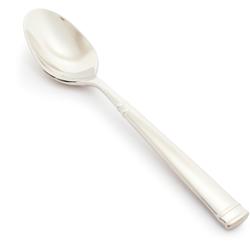
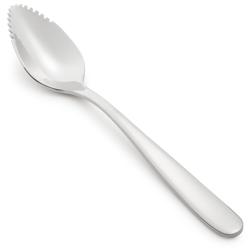
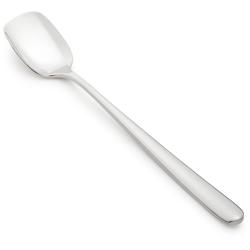
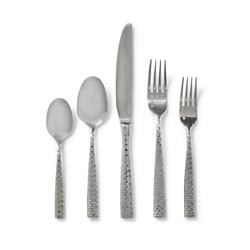
Silver teaspoons are small dining spoons used for stirring drinks, eating desserts and enjoying everyday foods, with a silver-colored finish that complements a wide range of table settings. The term can describe sterling silver, silver-plated metal or silver-toned stainless steel, so the material matters as much as the appearance. Sterling silver contains 92.5% silver combined with other metals for strength, typically copper. It has a distinctive luster and develops a patina with use, though it needs occasional polishing to remove tarnish. Silver-plated teaspoons have a layer of real silver over a base metal. They offer the appearance of silver, but that surface layer can gradually wear with frequent use or abrasive cleaning. Stainless steel teaspoons have a naturally silver-colored appearance without containing precious silver. Their resistance to corrosion and relatively straightforward care make them practical for daily meals and frequent entertaining. These differences help distinguish decorative appeal from the care each material requires; a shiny finish alone does not identify the metal underneath. Across materials, the teaspoon earns its place at the table through versatility. It is small enough to stir sugar into tea without the bulk of a dinner spoon, yet useful for yogurt, pudding, fruit and a scoop of ice cream. At breakfast, it can move from stirring coffee to spooning jam onto toast. After dinner, its modest proportions suit a small bowl of custard or a cup of tea alongside dessert. A dining teaspoon is not a precision measuring tool, however, and its bowl capacity can vary. Recipes calling for a teaspoon are best measured with a dedicated measuring spoon. For households that reach for small spoons throughout the day, silver teaspoons combine a familiar shape with a finish that works comfortably alongside both casual dishes and more formal dinnerware. Their usefulness extends well beyond the tea tray, making them a dependable part of an everyday flatware collection.
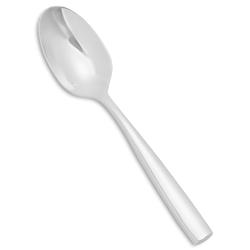
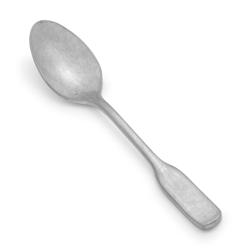
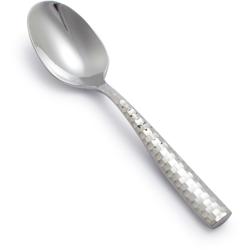
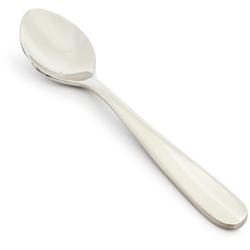
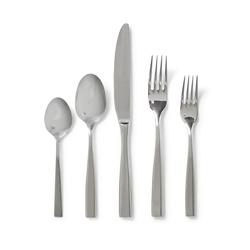
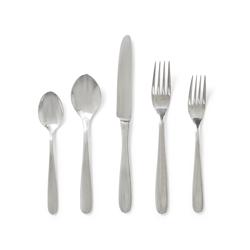
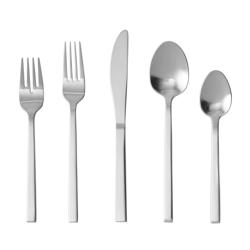
The best fit depends on how a teaspoon feels in the hand and where it will be used. A comfortable handle has smooth edges, enough length for an easy grip and a balanced transition into the bowl. Weight is a matter of preference rather than a reliable measure of quality: some people enjoy substantial flatware, while others find a lighter spoon easier to maneuver. Bowl shape matters, too. A narrower oval bowl may feel comfortable for sipping a little tea, while a broader bowl can be useful for soft desserts. Overall length deserves attention when coordinating teaspoons with cups and mugs. A compact spoon rests neatly on a saucer, but it can disappear into a deep mug; tall glasses generally call for longer-handled spoons. Dimensions and photographs help clarify these proportions before choosing flatware to complement an existing setting. Appearance offers another way to make the table feel considered without making it feel formal. A mirror-polished surface reflects light and picks up the colors around it, while a brushed or satin finish has a softer look. Plain handles sit comfortably beside patterned plates, and decorative handles can add detail to simple white dinnerware. When matching an established flatware pattern, the handle outline, finish and scale are often more useful points of comparison than color alone. Different silver-colored metals may have slightly different tones, especially when placed side by side. For a coordinated look beyond the place setting,
Silver Kitchenware offers a related starting point. Teaspoons also make thoughtful wedding or housewarming gifts because they serve a clear purpose without requiring elaborate entertaining habits. For someone setting up a first kitchen, an easy-care material may be especially welcome. For someone who enjoys a carefully set tea table, the pattern, proportions and polishing requirements may carry more weight. Household size, frequent guests and the pace of the dishwasher all influence how many teaspoons feel useful rather than excessive.
Care habits play a large part in keeping silver teaspoons comfortable to use and pleasing to look at. The manufacturer’s instructions should guide washing, since the base metal, plating and any decorative details can affect what is appropriate. Stainless steel teaspoons labeled dishwasher safe are convenient for regular use, but prompt rinsing helps keep food residue from drying on the surface. Prolonged contact with salty or acidic foods can contribute to discoloration or corrosion, even on stainless steel. Thorough drying helps reduce water spots, particularly in homes with hard water. During dishwasher loading, spoons need enough separation for water to reach both sides; tightly nested bowls can emerge with food still trapped between them. Sterling silver and silver-plated flatware often benefit from gentle hand-washing with mild dish soap, followed by careful rinsing and drying with a soft cloth. Long soaking, abrasive pads and harsh cleaning products can damage surfaces or finishes. Tarnish on genuine silver is a surface reaction, not the same as leftover food, and should be treated with a polish suitable for the material when needed. A light touch is especially important with silver plate because repeated aggressive polishing can remove some of the silver layer. Fine scratches can develop on any frequently used flatware, including highly polished stainless steel, so keeping spoons from rubbing against sharp utensils helps preserve their finish. A divided drawer insert keeps handles accessible and reduces unnecessary contact, while appropriate tarnish-resistant storage can help protect silver between uses. Teaspoons used for entertaining are easiest to keep ready when they are put away clean and completely dry. Choosing a material that fits the household’s routine makes that upkeep more manageable. Whether the preference is for the evolving patina of sterling, the silver surface of plated flatware or the everyday practicality of stainless steel, a well-chosen teaspoon should feel as natural beside a morning cup of coffee as it does at a table set for guests.