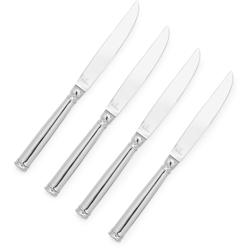
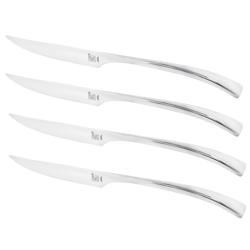
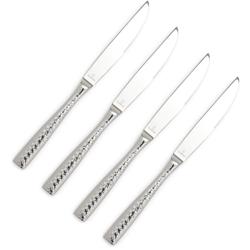
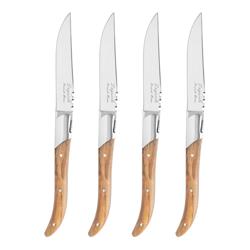
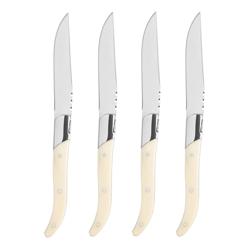
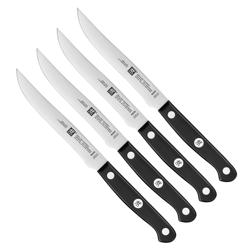
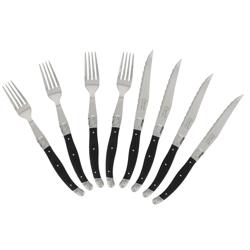
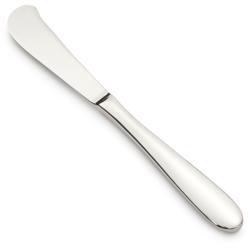
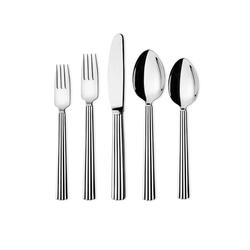
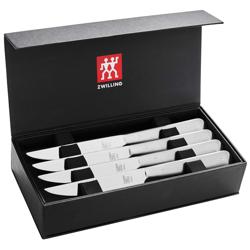
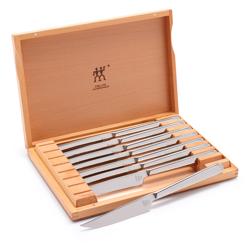
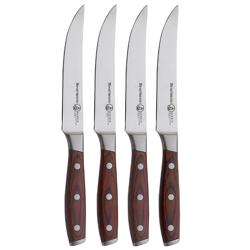
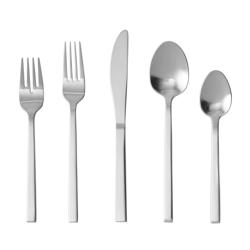
Silverware knives are part of the rhythm of a meal, from spreading butter on warm toast to cutting a tender slice of roast chicken at dinner. Often called table knives or dinner knives, they belong with the flatware at each place setting rather than with the kitchen knives used for food preparation. The word “silverware” describes their role on the table, but it does not necessarily mean they contain silver. Stainless steel is a common choice for everyday dining, while sterling silver and silver-plated flatware have different material qualities and care needs. A well-chosen table knife feels comfortable in your hand, rests neatly beside the plate and suits the food you serve most often. Its shape can also help set the mood: a slim, understated handle blends into a casual breakfast setting, while a more substantial silhouette brings presence to a table laid for guests. The useful distinctions are often small. A rounded tip and gently edged blade suit spreading and cutting softer foods, while a lightly serrated edge can offer more purchase on foods that resist a smooth blade. Neither takes the place of a sharp steak knife when a meal calls for one, and a pointed or serrated blade deserves careful handling regardless of its place at the table. For everyday meals, versatility matters more than ornament. Think of a knife that moves comfortably from pancakes and eggs to roasted vegetables and a savory tart, without feeling oversized against a smaller plate. During the cooler months, that same practical shape belongs beside bowls of soup with bread, family casseroles and relaxed dinners that linger a little longer. Whether you are setting a table for one, feeding a busy household or bringing out extra place settings for company, silverware knives help make the meal feel considered without making it feel formal. They are familiar tools, but their balance, finish and proportions can make a noticeable difference each time you sit down.
Material and construction influence how a silverware knife feels as much as how it looks. Stainless steel is valued for its resistance to corrosion and its suitability for frequent use, although it is not immune to stains or damage. Knife blades may use a different stainless steel alloy from coordinating forks and spoons because cutting performance calls for different properties. An alloy description associated with a flatware collection therefore may not apply to every part of its knives. Solid handles can feel reassuringly substantial, while hollow-handle construction can create a larger profile without the same weight; neither construction alone determines quality or comfort. The connection between blade and handle, the smoothness of the edges and the distribution of weight all deserve attention. A knife should feel controlled during a cutting motion, not as though the blade or handle is pulling your hand off balance. Handle shape is especially personal. Broad, gently curved handles may feel more comfortable to someone who prefers a fuller grip, while narrow profiles suit those who like a lighter presence in the hand. For households with different preferences, a moderate weight and uncomplicated shape can be an easy middle ground. Finish changes the visual effect, too. Polished surfaces catch candlelight and echo the shine of glassware, while brushed or satin finishes offer a softer appearance and may make some everyday marks less noticeable. Decorative borders and sculpted details can complement traditional dishes; smooth lines sit comfortably alongside simple stoneware or patterned plates. Matching every element is not essential, but similar proportions help a mixed table feel intentional. When you are coordinating knives with existing flatware, handle length, finish and overall scale are useful points of comparison. For a table built around a consistent pattern,
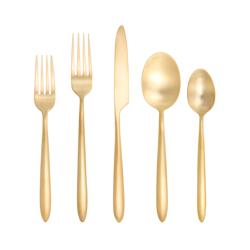
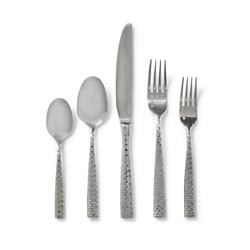
Silverware Sets offer a starting point for coordinating knives, forks and spoons. Individual preferences still matter more than a perfectly matched photograph: the best fit is flatware that feels natural to use through an entire meal, whether dinner is served on everyday dishes or brought to the table for a special occasion.
The silverware knives that fit your household are also the ones whose care requirements fit your routine. Many stainless steel designs are dishwasher safe, but the care instructions for the particular flatware should always take priority, especially when handles include other materials, decorative finishes or joined components. Dishwasher-safe construction does not make prolonged soaking a good habit. Salt, acidic food residue and lingering moisture can contribute to discoloration or corrosion, so a prompt rinse after the meal and thorough drying help protect the surface. When hand-washing is recommended, mild dish soap and a soft sponge are generally gentler on the finish than abrasive pads or harsh cleaners. Sterling silver and silver-plated knives need care appropriate to their material, including suitable polishing methods when tarnish appears; aggressive scrubbing can be particularly damaging to a plated surface. Storage matters as well. A flatware organizer keeps handles easy to reach and helps limit unnecessary contact between pieces, while knives kept for occasional entertaining benefit from being clean and completely dry before they are put away. Over time, fine surface marks are a normal part of frequently used flatware, but a loose handle, rough edge or damaged blade calls for closer attention. Intended use helps determine how many knives make sense for your table. A small household may still appreciate enough place settings to cover dinner guests or a second meal before the dishwasher runs. Frequent hosts may want consistent proportions across a larger table, while someone furnishing a first apartment may put everyday comfort and straightforward cleanup first. Silverware knives can also make a thoughtful contribution to a wedding or housewarming gift, particularly when the recipient’s preferred flatware pattern and care habits are known. Replacing missing knives in a well-loved setting can be just as useful as starting fresh. From weekday lunches to a shared meal with friends, these are pieces chosen to be handled, washed and used again. Comfortable construction, an appropriate blade and a finish you enjoy seeing beside your plate give them a lasting place at the table.