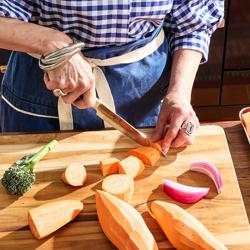
Skills classes for friends turn time together into something you can enjoy long after the class ends. Instead of simply meeting for a meal, a group can learn how to make one, building conversation and confidence along the way. Cooking classes are especially well suited to shared experiences because everyone has a role: one person may practice knife skills, another may work on seasoning, while someone else shapes dough, folds fillings or helps bring the final dish together. The best classes balance instruction with plenty of hands-on time, so participants leave with more than a good memory. They gain techniques they can use in their own kitchens, whether that means preparing a reliable weeknight meal, improving presentation for a dinner party or finally mastering a skill that has always seemed intimidating. For friends with different levels of experience, look for classes that welcome beginners while still offering useful details for more confident cooks. A clear demonstration, approachable pacing and an instructor who explains the reasons behind each step can make all the difference. Friends who are new to cooking may appreciate a class centered on foundational skills, while experienced home cooks may enjoy a more focused session that explores a particular cuisine, preparation method or entertaining style. A class designed for newcomers can be a thoughtful way to start, and
Skills Classes for Beginners can help groups find an inviting place to begin. When choosing from a list of skills classes for friends, consider the atmosphere as carefully as the subject. Some groups enjoy a lively, social setting where conversation flows between demonstrations; others prefer a quieter format with more individual guidance. Check the expected class length, the number of participants and whether the session is structured as a demonstration, a hands-on workshop or a combination of both. Group size matters, particularly when friends want to work side by side rather than watch from a distance. A smaller class may allow more time with the instructor, while a larger class can bring a festive energy that suits birthdays, reunions and casual celebrations.
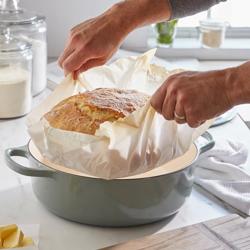
Practical details help a shared class feel effortless. Before booking, confirm what is included in the class fee, such as ingredients, tools, printed recipes, tastings or refreshments. It is also useful to review the menu or skill focus in advance and note any food allergies, dietary preferences or ingredient restrictions within the group. Friends do not all need to have the same tastes, but knowing what to expect makes it easier to choose a class everyone can enjoy. If the group includes a vegetarian, someone avoiding gluten or a guest with a serious allergy, contact the class provider before reserving a place rather than relying on substitutions at the last minute. Consider the physical demands of the session as well. Standing for several hours, working at a shared station or moving between demonstrations may be part of the experience, so accessibility information is worth confirming. Private classes can be a good fit for milestone gatherings or groups that want a more personal pace, while open-enrollment sessions may suit a smaller group of friends who enjoy meeting other enthusiastic cooks. Some classes focus on a complete meal, making them a natural choice for an evening out; others concentrate on a single technique that participants can repeat at home. A session devoted to dough, for example, can make a cool evening feel welcoming as the scent of something freshly baked fills the room. A class focused on balanced drinks or thoughtful pairings can add an easygoing, celebratory note to a gathering, provided the format and age requirements suit everyone attending. Friends who enjoy creative projects may also prefer a class that combines cooking with presentation, allowing them to practice arranging a finished dish as carefully as they prepared it. The goal is not perfection. It is the shared rhythm of learning: listening to an explanation, trying the technique, laughing when a first attempt looks uneven and discovering that the finished result tastes better because everyone had a hand in it.
A skills class can also make a memorable gift for a friend, couple or group that values experiences over more things to store at home. It works well for birthdays, housewarmings, wedding celebrations, reunions and thoughtful thank-you gifts, especially when the recipient enjoys hosting or wants to feel more comfortable in the kitchen. When giving a class, include enough information for the recipient to choose a convenient date and review any requirements, including age limits, cancellation policies, attire and transportation. A flexible gift is often appreciated by friends with busy schedules, while a reserved private session can give a close-knit group something special to look forward to during the warmer season or the cooler months. The most successful classes leave room for conversation and a little imperfection. Picture a table dusted with flour, a row of carefully prepared ingredients and friends comparing results while the instructor offers one last adjustment to the seasoning. Those details become part of the occasion, just as much as the meal itself. To choose the right class, start with the group’s shared interests, then weigh the experience level, class format, group size, included materials, dietary needs and overall pace. A thoughtful match makes it easier for everyone to participate, whether they are learning a first kitchen skill or refining techniques they already use at home. Most importantly, choose an experience that gives friends time to work together without feeling rushed. The recipes may be repeated, the techniques may become everyday habits and the finished dishes may change with each attempt, but the memory of learning around the same table can last well beyond the class.