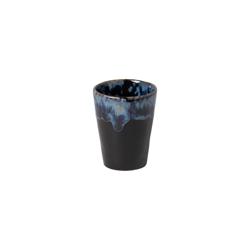
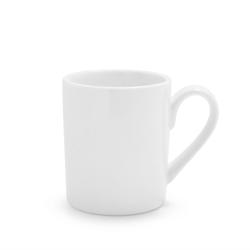
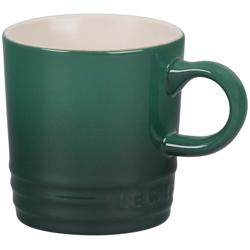
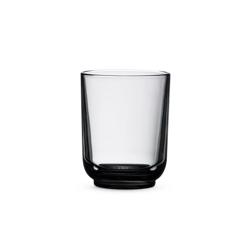
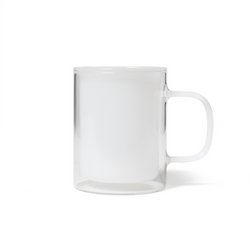
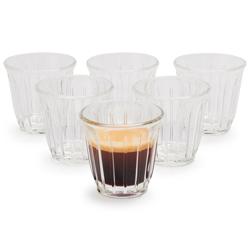
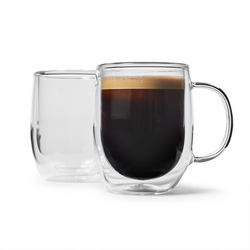
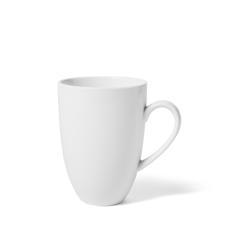
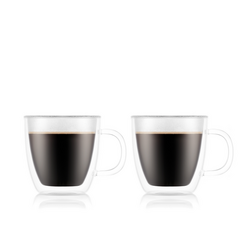
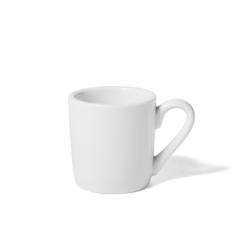
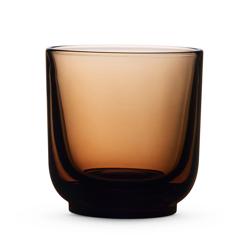
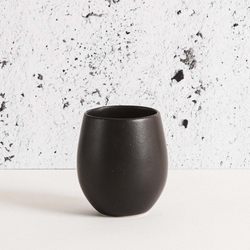
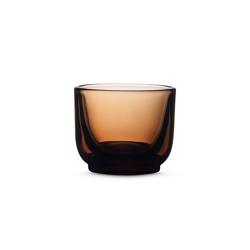
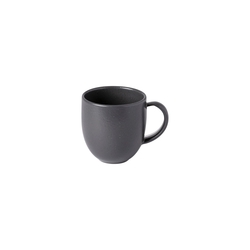
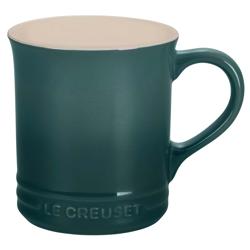
Sleek espresso mugs pair clean, modern shapes with a compact size suited to concentrated coffee. Ceramic, porcelain and glass are common choices, with details such as double-wall construction, a comfortable handle or a gently rounded rim making a difference in everyday use. The appeal goes beyond a streamlined silhouette: a well-proportioned espresso mug gives a small pour room for its crema without leaving it at the bottom of an oversized coffee cup. Many espresso cups hold about 2 to 4 ounces, though capacities vary, so choosing a size starts with what you actually drink. A single espresso needs less room than a double shot, while a splash of milk calls for extra space above the coffee. Listed capacity generally describes how much a vessel holds when full, not necessarily a comfortable serving size. Leaving a little headroom makes carrying a freshly brewed espresso from the machine to the table easier. For someone who drinks espresso straight, a small demitasse keeps the focus on the coffee’s aroma, texture and rich surface layer. For someone who prefers a macchiato, a slightly roomier shape accommodates a spoonful of milk foam without crowding the rim. Simple cylindrical profiles, softly curved sides and understated finishes can complement a coffee station without competing with the rest of the kitchen. White porcelain offers a crisp contrast to dark coffee, while clear glass puts the crema on display. Muted glazes and matte exteriors add texture with a quieter look. A sleek design does not have to mean handle-free or delicate, either. A neatly shaped handle can be just as streamlined as a sculpted cup, and a substantial base can give a small mug a reassuring feel on its saucer. The most useful choice balances the look you enjoy with the way you brew, carry and sip your coffee, whether that means a quick double shot before work or an unhurried espresso after dinner.
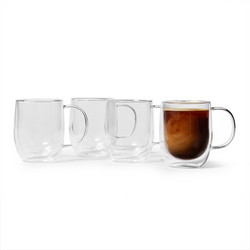
Material and construction influence how an espresso mug feels in your hand and how it performs between the first sip and the last. Stoneware often has a substantial feel, with variations in glaze that can soften a minimalist shape. Porcelain can offer a smooth, refined finish and a comparatively slender rim, although thickness and weight depend on the design. Ceramic cups absorb heat from freshly poured coffee, so prewarming them with warm water, when permitted by the care instructions, can help keep a small serving from cooling too quickly. Empty the warming water before brewing. Double-wall glass uses an insulating space between the inner and outer walls to slow heat transfer, helping the coffee retain warmth while reducing heat at the exterior. That construction can make a handle-free cup more comfortable to hold, but the rim and outside may still become hot. Clear walls also let you see the espresso settle, giving even a simple countertop setup some of the visual appeal of café service. Borosilicate glass is often chosen for its resistance to temperature changes, but it is not unbreakable and still needs protection from knocks and sudden extremes. Stainless steel offers another pared-back look and resists shattering, though its feel against the lips differs from glazed ceramic or glass. Insulation depends on the vessel’s construction rather than the material alone. Beyond those broad differences, small details deserve attention. A thin rim may feel more delicate when sipping, while a thicker rim can feel substantial and familiar. A rounded interior is generally easier to reach with a soft sponge than tight corners, and a smooth base helps protect the surface beneath it. Handle openings matter, particularly on small cups: some accommodate a fingertip comfortably, while others are intended for a light pinch grip. For everyday durability, consider how the mugs will move through your kitchen. Cups used several times a day need to suit frequent washing, crowded counters and regular storage, not simply look good beside the espresso machine.
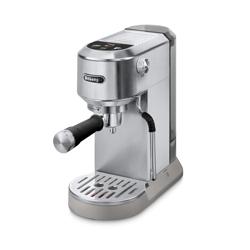
Fit is especially important when brewing directly into an espresso mug. Check the space between the machine’s spouts and drip tray, allowing enough clearance to slide the cup out without tipping it. Exterior height matters more than capacity for this purpose, and double-wall designs may take up more space than their serving size suggests. A wide handle or flared rim can also affect whether two cups sit comfortably beneath paired spouts. If a scale stays on the drip tray while you brew, include its height when checking clearance. The
Espresso Mugs For Espresso Machines page offers a related way to explore cups with that brewing setup in mind. Storage deserves the same practical attention. Stackable shapes can help keep a compact coffee corner tidy, but only stack mugs designed for that use, and avoid wedging handles or rims together. Saucers provide a place for a small spoon and help catch drips when serving guests; check their dimensions and compatibility rather than assuming any small plate will fit securely. For care, follow the manufacturer’s directions for dishwasher and microwave use, especially with double-wall construction, decorative finishes or metallic accents. Dishwasher-safe mugs may simplify a daily routine, while pieces that require hand-washing call for a soft sponge, mild dish soap and thorough drying. Avoid abrasive scrubbers that could scratch glass or dull a glaze, and protect rims from contact with heavy cookware in the sink. Double-wall vessels may have sealed areas or vents that require particular care, so follow any restrictions on soaking or immersion. These considerations also help when choosing espresso mugs as a gift. A pair can be a thoughtful housewarming or wedding gift for someone who enjoys sharing coffee, while a coordinated group suits a host who finishes meals with espresso at the table. For a recipient with a home machine, matching cup dimensions and serving capacity to their setup makes the gift more personal and useful. Clean lines are appealing, but lasting satisfaction comes from the everyday details: a comfortable grip, an easy pour and a cup that feels right with each sip.